
Reviewed · SALKANTAY TREKS TO MACHU PICCHU
Salkantay Trek to Machu Picchu in 4 days
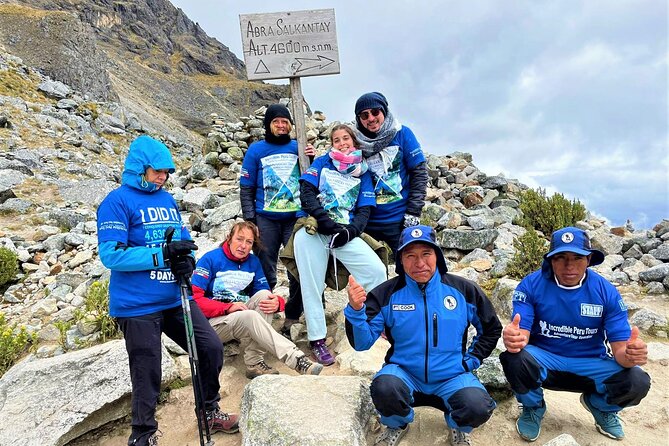
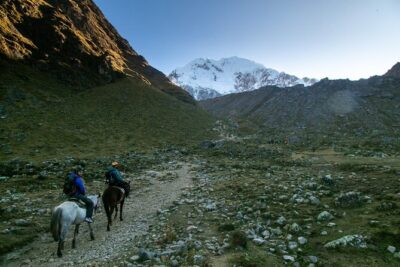
The big draw here is the Salkantay Pass at 15,190 feet, where the snowy peaks of Salkantay and Humantay rise above a rocky mountain valley. I like that the route keeps changing: high alpine terrain gives way to cloud forest, coffee farms, orchids, and the train tracks into Aguas Calientes. I also like that the price includes meals, lodging, transport, a guide, and horses to carry up to 7 kilograms of gear.
This is a demanding hike, not a gentle walk to Machu Picchu. You should also confirm the promised first-aid kit, emergency oxygen, transport, and exact lodging before departure, since one serious account describes a health emergency, extra taxi costs, and services that did not match the advertised plan.
Key things to know before booking
- The Salkantay Pass reaches 4,630 meters, making Day 2 the hardest and highest part of the trek.
- Humantay Lake requires a steep side hike after your first morning on the trail.
- The route changes dramatically, from cold mountain terrain to warm cloud forest and coffee country.
- Three nights of lodging are included, from a mountain cabin to a glass-and-wood dome and a hotel in Aguas Calientes.
- A small group of up to 10 people makes the pace and guide attention more manageable.
- The final day is long, with Machu Picchu, a train to Ollantaytambo, and a late return to Cusco.
Why this route is a strong alternative to the Inca Trail
I like the Salkantay route because it gives you a wide sample of southern Peru in only four days. You begin in the high Andes, pass beneath snowy peaks, descend through warmer forest, and finish at Machu Picchu. The changing scenery is the real reason to choose this trek.
The route also gives you a close look at mountain life. You walk beside an old water channel, pass local plantations, and visit coffee-growing country near Sahuayaco. The coffee stop is not filler. It helps you see how local families earn a living from bananas, avocados, oranges, medicinal plants, and coffee grown for export.
At $590 per person, the package offers solid value if the full plan runs as described. It includes four breakfasts, four lunches, three dinners, three nights of lodging, route permits, Machu Picchu admission, a professional English-speaking guide, cooks, horses, buses, and the return train. Buying these parts separately would take time and could cost more.
The trade-off is that the schedule is packed. You start at 5:00 a.m. from Cusco, sleep at high altitude on the first night, climb to 4,630 meters on the second day, and do not get back to Cusco until about 10:00 p.m. on Day 4. I would not choose this trip if you want a slow holiday.
More Salkantay Departures from Cusco:
- Salkantay Trek Challenge – 3 Days / 2 Nights
★ 5.0 · 101 reviews - Small Group 5 Days Salkantay and Machu Picchu by Llactapata Tour
★ 5.0 · 88 reviews - Machu Picchu: 5-Day Salkantay Trek with Panoramic Train
★ 5.0 · 79 reviews
Day 1: Cusco, Mollepata, and Humantay Lake
Your pickup from Cusco comes at 5:00 a.m. You need your original passport, since national control points along the route require it. The early start is useful because it gives you time for the first hike, but you should arrange your clothing and small backpack the night before.
The drive to Mollepata takes about two hours. Along the way, you see snowy summits and broad valleys before stopping for breakfast at a local restaurant. This is a practical pause, not a major sightseeing stop, and it gives you a chance to eat before the high-altitude walking begins.
From Mollepata, transport takes you to Challacancha at about 3,600 meters. Here, muleteers load kitchen gear and food onto horses. You carry your day pack, while the horses carry up to 7 kilograms of your personal luggage. Pack carefully, since your small backpack still needs water, warm layers, sun protection, and anything you need during the day.
The first hike covers about 10 kilometers and takes roughly three hours to Soraypampa. The trail follows an old water channel with clean, cold water running beside it. This section is a good introduction to the route, with a steady climb and open views rather than technical scrambling.
After lunch and a rest, you head toward Humantay Lake. The side hike takes about an hour and a half each way, with about 40 minutes at the lake according to the schedule. At 4,200 meters, the altitude matters more than the distance. Move slowly, breathe steadily, and do not treat this as a quick photo stop.
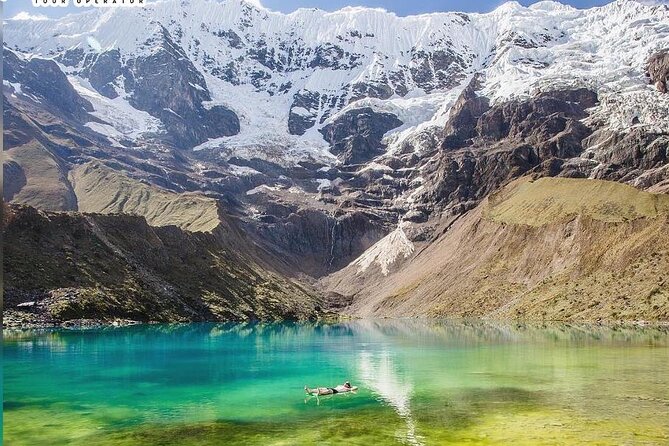
Humantay Lake is the visual highlight of Day 1, with steep mountain walls and strikingly clear water. Conditions can change quickly at this elevation, so warm clothing and rain protection belong in your day pack even if Cusco begins in sunshine.
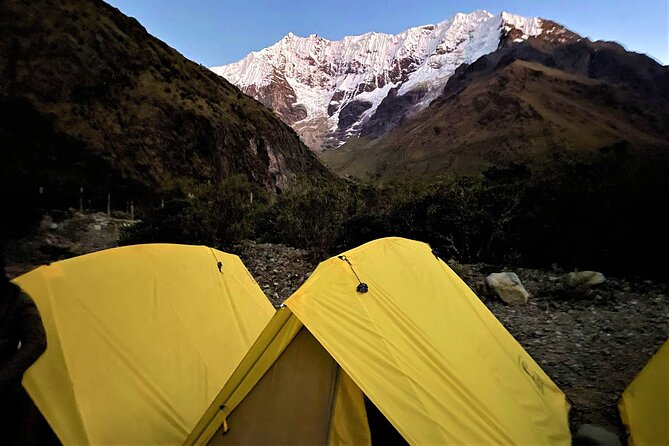
You return to the Soraypampa camp around 5:30 p.m. Tea, coffee, popcorn, and cookies follow, then dinner. The first night is in a mountain cabin at Eco-Lodge Mamá Andrea. The high setting can make sleep difficult, and you may have a cold night ahead, but the chance to look at the stars and snowy peaks is part of the appeal.
Day 2: The 4,630-meter Salkantay Pass
Day 2 is the physical test. A cook wakes you at 5:00 a.m. with coca tea, followed by breakfast and a climb toward the highest point of the route. The ascent covers about 7 kilometers and takes around three hours, but altitude makes it feel harder than the distance suggests.
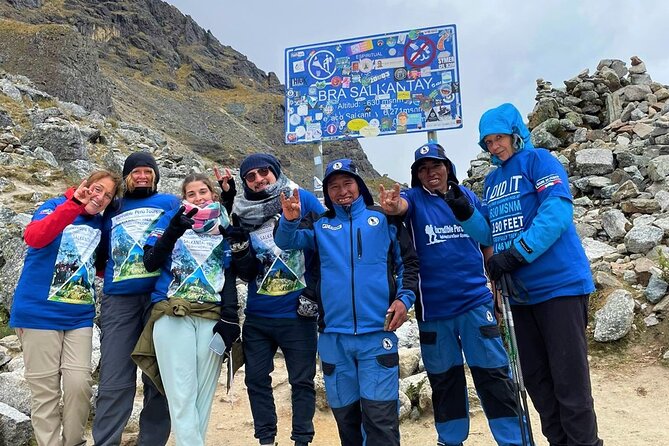
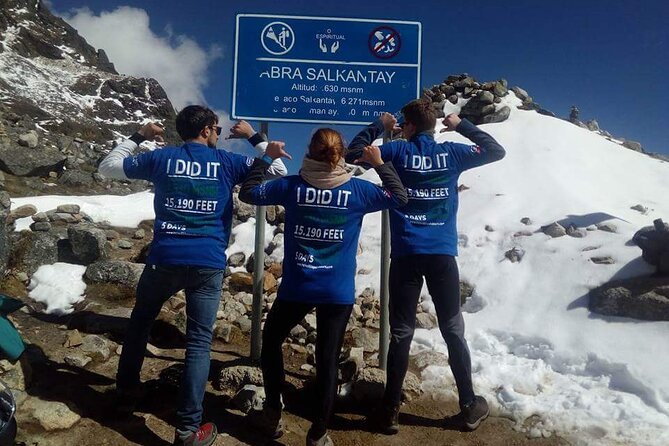
The trail rises through the Salkantay Valley to Pampa Salkantay at about 4,200 meters. After a short break, you continue through rocky terrain to the pass at 4,630 meters, or 15,190 feet. This is the point where fitness, acclimatization, weather, and pacing all matter.
At the pass, you can see Salkantay Mountain at 6,271 meters and Humantay Mountain at 5,400 meters. The views are broad and dramatic, but cloud cover can hide the summits. Give yourself time to rest rather than rushing through the stop for photographs.
From the pass, the trail descends toward Huayracmachay, where lunch is served around 1:30 p.m. The descent is a welcome change for your lungs, but it can be tiring on knees and ankles. Trekking poles would be useful, although the tour information does not state that they are provided.
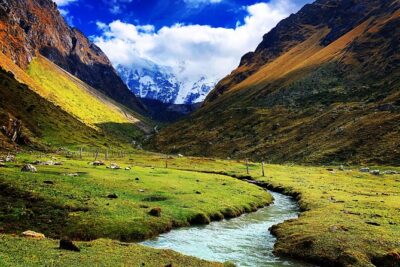
The afternoon route enters the high forest and cloud forest. The temperature becomes warmer, the vegetation thickens, and the severe mountain setting gives way to a softer, greener valley. You continue toward Colpapampa, then use a vehicle for about an hour to reach the Sahuayaco area.
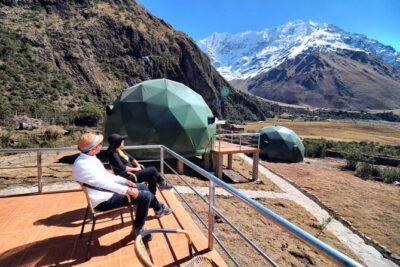
Your second night is in a luxury wood-and-glass dome at Eco Lodge Majestic Sky Domes. Tea, hot chocolate, coffee, popcorn, and cookies are served before dinner. The dome is a more comfortable setting than the mountain cabin, but remember that Day 2 is long and begins before sunrise.
The advertised safety equipment includes a first-aid kit and emergency oxygen carried by the guide. Because altitude illness can become serious, I would confirm these items during the preparation meeting. I would also ask what happens if you need to descend early. A complaint about a $200 taxi ride after illness is a useful warning that you should understand the emergency plan before leaving Cusco.
Day 3: Coffee farms and the walk from Hydroelectric
Day 3 starts later, with a 7:00 a.m. wake-up and breakfast at 8:00. After two demanding days, this slower morning is welcome. You walk around the Sahuayaco area and visit plantations growing bananas, avocados, oranges, medicinal plants, and coffee.
Coffee is the main agricultural industry in this area, and the farm visit adds a human side to the trek. You can see how the local economy works, then taste freshly prepared coffee made from beans grown nearby. I value this kind of stop because it connects the scenery to the people who live and work there.
You return to the lodge around 11:00 a.m. and have time to rest before transport to the Central Hydroelectric Station. The schedule places arrival there at about 2:30 p.m. From this point, you walk along the railway toward Aguas Calientes for about three hours.
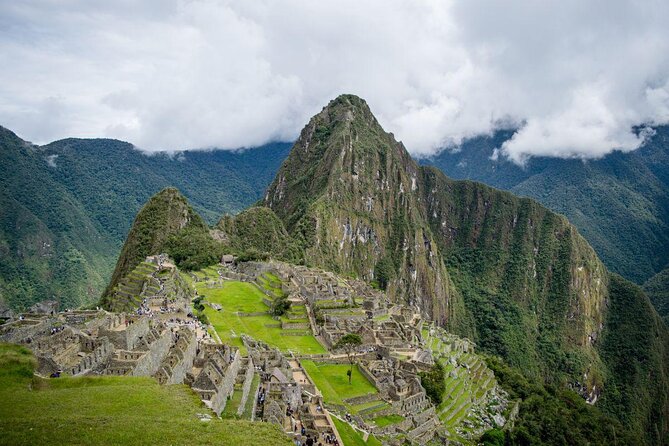
The path has a short climb of about 15 minutes, then follows the tracks beside the Urubamba River. You also pass the Intihuatana archaeological site, an Inca sundial carved into natural rock. From here, you can see the sacred mountains of Huayna Picchu and Machu Picchu.
This final walk is much easier than the Salkantay Pass, but it comes late in a four-day hike. The cloud forest provides shade and dense plant life, including orchids, yet the route beside the railway is a different experience from a remote mountain trail. Stay alert and follow the guide’s instructions around the tracks.
You reach Aguas Calientes around 5:30 p.m. The third night is in a hotel room with a private bathroom, and dinner is served at a tourist restaurant in town. Your guide explains the next day’s Machu Picchu plan during dinner. Go to bed early if you can. The next morning begins at 5:30 a.m.
More Machu Picchu Days from Cusco:
- From Cusco: Full-Day Group Tour of Machu Picchu
★ 4.7 · 1,767 reviews - Machu Picchu Day Trip from Cusco
★ 4.5 · 1,644 reviews - Machu Picchu: Full-Day Tour from Cusco with Optional Lunch
★ 4.6 · 927 reviews - Cusco: 4-Day Inca Trail to Machu Picchu with Accommodation
★ 4.8 · 432 reviews
Day 4: Machu Picchu, the train, and a late return
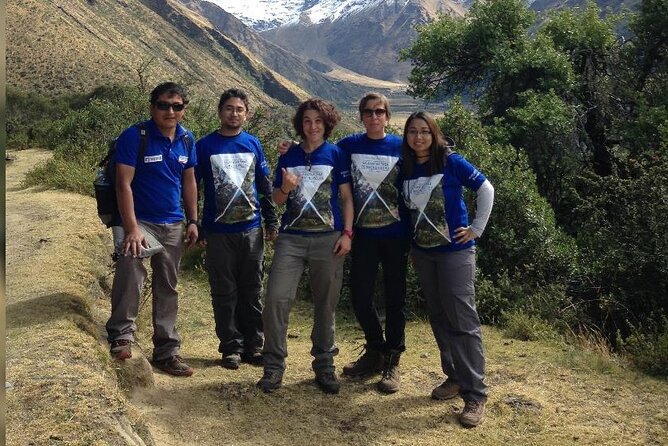
After breakfast, you walk to the bus station and ride for about 30 minutes up the zigzag road to Machu Picchu. You are scheduled to arrive around 6:30 a.m., giving you an early start inside the citadel.
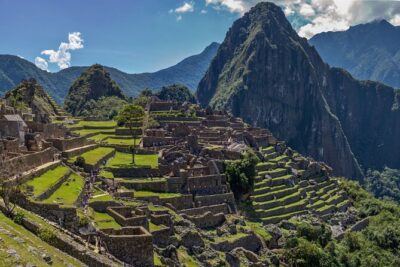
The guided visit lasts about two hours. Your guide explains the temples, agricultural terraces, canals, water sources, and other major features of the Inca site. Afterward, you have free time for photographs and independent exploration. Huayna Picchu may be possible if permits are available, but it is not something you should count on.
The package includes the bus between Aguas Calientes and Machu Picchu, along with Machu Picchu admission and the guided visit. After your time at the site, you return by bus and take the Expedition tourist train to Ollantaytambo.
The train is scheduled to arrive around 7:40 p.m. Staff then meet you for the road transfer back to Cusco, with arrival near 10:00 p.m. You can instead be dropped at a hotel in the Sacred Valley. This final day is efficient, but it is not restful. I would avoid booking an early flight or an important appointment the next morning.
Guides, group size, and meals
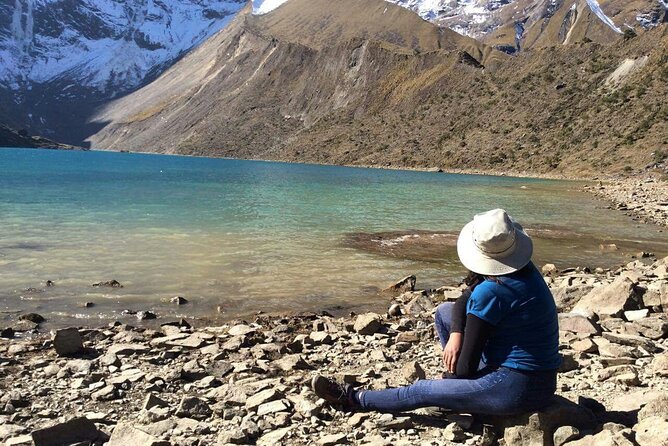
The group limit is 10 people, which is a useful size for a long trek. A small group helps the guide keep track of hiking pace, altitude symptoms, and meal needs. It also makes the camp routine less chaotic.
The named guides receiving specific praise include Gilber and Rene. Gilber is described as someone who explains historical details and lesser-known facts in a way that encourages long conversations. Rene is credited with making the demanding route manageable for the whole group. Herbert is also described as caring about the group’s experience, though the company itself received serious criticism for communication and safety arrangements.
The guide speaks English, and a cook and kitchen assistant prepare the meals. Vegetarian, vegan, and special diets can be accommodated when requested. Four breakfasts, four lunches, and three dinners are included, which means you do not need to plan meals during the trek.
What to pack and what to confirm
You carry only a small backpack, but you should still pack with care. The horses carry up to 7 kilograms of luggage, while personal clothing, shoes, and a backpack are not provided.
I would confirm these points at the meeting held one day before departure:
- The exact weight and bag rules for the horse-supported luggage
- The sleeping arrangements at both mountain lodges
- The current plan for emergency oxygen and first aid
- The vehicle arrangements after Colpapampa and Sahuayaco
- The Machu Picchu entry time and any Huayna Picchu availability
- The return train time and final Cusco drop-off
The company can store belongings at its Cusco office while you hike. Pickup is offered from hotels in Cusco and the Sacred Valley, but the stated start time is still 5:00 a.m.
Is the $590 price worth it?
I consider $590 a fair price for the amount included. You receive transport from Cusco to the trailhead, route and Humantay Lake permits, Machu Picchu entry, a guide, cooks, horses, four breakfasts, four lunches, three dinners, three nights of lodging, buses, the return train, and transport back to Cusco.
The value is strongest if you want one company to handle the complicated pieces. The route involves remote trail transport, horses, two mountain lodges, a train, buses, and entry controls. Arranging all of that independently would take more work.
The price does not cover personal clothing, shoes, a backpack, or tips. I would also keep money available for unforeseen transport or medical needs, given the safety complaint connected with an emergency descent. The cancellation policy allows a full refund if you cancel at least three full days before the start time. Poor weather may lead to a new date or a full refund.
Should you book this Salkantay Trek?
I would choose this trip if you want a high-altitude challenge with varied scenery, local farm visits, included meals, and a guided arrival at Machu Picchu. It suits fit hikers who accept early starts, basic mountain lodging, and a long final day.
I would hesitate if you have little experience with altitude, need a relaxed schedule, or want strong certainty about every transport and safety detail. Before paying, ask the company to confirm the guide, emergency equipment, lodge names, luggage plan, and evacuation procedure in writing.
The route itself is excellent: Humantay Lake, the 4,630-meter pass, cloud forest, coffee country, and Machu Picchu all fit into four intense days. The scenery and package value are compelling. The company’s communication and safety concerns mean you should book only after those practical details are clear.
FAQ
How long is the Salkantay Trek to Machu Picchu?
The trek lasts four days, including the visit to Machu Picchu and the return journey to Cusco.
Where does the tour begin?
Pickup begins in Cusco at 5:00 a.m. Pickup is also available from hotels in the Sacred Valley.
How high is the Salkantay Pass?
The pass reaches 4,630 meters, or 15,190 feet, above sea level.
How difficult is the trek?
You should have a moderate level of physical fitness. Day 2 is the hardest because it includes a long ascent from Soraypampa to the Salkantay Pass.
Is Humantay Lake included?
Yes. The route includes admission to Humantay Lake and a hike from Soraypampa to the lake.
How much luggage can the horses carry?
The horses carry up to 7 kilograms, or 15 pounds, of your luggage. You carry your smaller day pack and water.
What meals are included?
The tour includes four breakfasts, four lunches, and three dinners. Vegetarian, vegan, and special diet meals can be prepared when requested.
Where do you sleep during the trek?
You spend the first night at Eco-Lodge Mamá Andrea in a mountain cabin, the second night at Eco Lodge Majestic Sky Domes in a wood-and-glass dome, and the third night in a hotel room with a private bathroom in Aguas Calientes.
Is the train back to Cusco included?
Yes. An Expedition tourist train from Aguas Calientes to Ollantaytambo is included, followed by road transport to Cusco or the Sacred Valley.
Is Huayna Picchu included?
An entrance ticket to Huayna Picchu is included if available. Availability is not guaranteed, so you should confirm it before departure.
More Hiking & Trekking in Cusco
- From Cusco: 7 Lakes Ausangate Trek with Breakfast and Lunch
★ 4.8 · 360 reviews - Cusco: Rainbow Mountain Tour and Red Valley Hike (Optional)
★ 4.7 · 149 reviews - Cusco: Full-Day Rainbow Mountain & Red Valley Trekking Tour
★ 4.5 · 121 reviews - From Cusco: Rainbow Mountain Trek
★ 4.5 · 98 reviews
More 4-Day Experiences in Cusco
- Choquequirao Trek 4 days and 3 nights
★ 5.0 · 81 reviews - 4 Day Tour to the Manu National Park
★ 5.0 · 81 reviews - Cusco Sacred Valley and Machupicchu 4 Days
★ 5.0 · 80 reviews - Ancascocha Trek To Machu Picchu 4 Days And 3 Nights
★ 5.0 · 77 reviews
Just added around Cusco
- Zipline over the Sacred Valley Trip★ 5.0 · 11 reviews
- Valle Sur Cusco | half day★ 4.3 · 3 reviews
- Visit Pisac from Cusco: Private Transport★ 4.6 · 9 reviews
- Transfer from Cusco to Ollantaytambo★ 5.0 · 30 reviews
- Exclusive Huayna Picchu Tour in 1 Day from Cusco★ 5.0 · 31 reviews
- Trek to Humantay Lake from Cusco★ 4.9 · 8 reviews
- 2 Day – Short Inca Trail to Machu Picchu – Group Service★ 5.0 · 30 reviews
- Private Tour Sacred Valley, Chinchero, Maras Moray, Ollantaytambo★ 5.0 · 29 reviews
Salkantay Treks to Machu Picchu, compared.
Small Group 5 Days Salkantay and Machu Picchu by Llactapata Tour
Read our review →
Salkantay Trek 4 Days to Machu Picchu by Glamping Sky Lodge Dome
Read our review →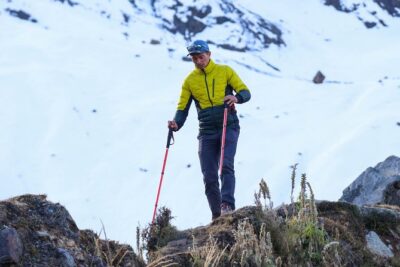
Salkantay Trek To Machu Picchu 5 Days And 4 Nights
Read our review →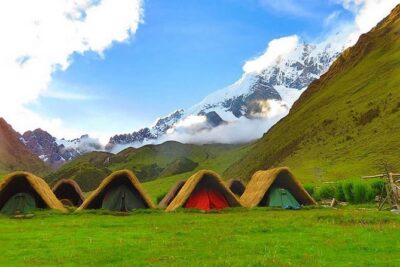
5-Day: Salkantay Trek to Machupicchu and Humantay Lake
Read our review →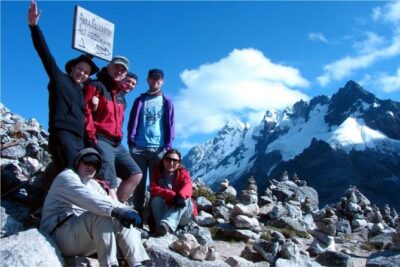
Browse the lists this tour appears in