
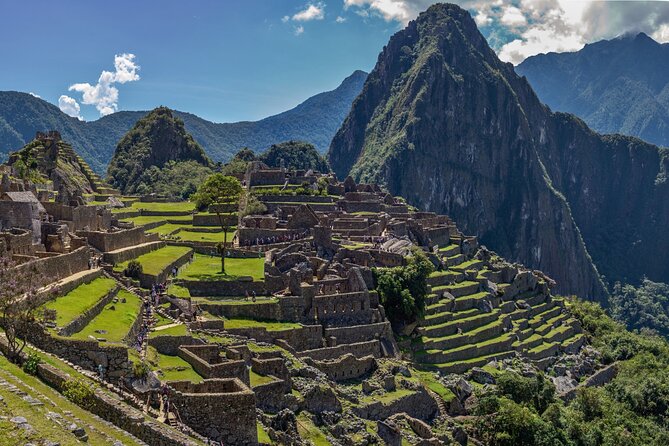
Reviewed · SALKANTAY TREKS TO MACHU PICCHU
Small Group 5 Days Salkantay and Machu Picchu by Llactapata Tour
The best part of this five-day Salkantay route is its change of scenery. You start among snow peaks at more than 4,600 meters, then walk through cloud forest, coffee and cacao farms, and finally reach Machu Picchu by way of Llactapata. It feels like several trips stitched into one.
I especially like the small groups of up to nine and the Lucmabamba coffee visit. Guides such as Jainor, Carlos, Dario, Henry, and Rolando have been singled out for patience, humor, strong English, and clear explanations of Inca culture. The main caution is simple: the first two days are demanding, and the high altitude can affect the rest of your trek.
Five details that matter before you book
- 4,600-meter Salkantay Pass: The toughest climb arrives early, with thin air and broad views of Salkantay Mountain.
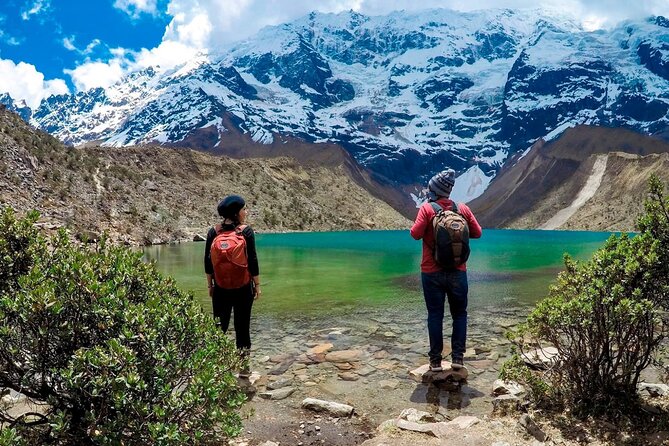
- Humantay Lake option: Add a turquoise mountain lake hike on the first afternoon if your energy and altitude tolerance allow.
- Coffee with a local family: In Lucmabamba, you follow coffee from plant to roasted cup, a welcome change from ruins and mountain paths.
- Llactapata viewpoint: The Inca site gives you a different angle on Machu Picchu and the Vilcanota Canyon.
- Small-group support: A bilingual guide, cook, horseman, mules, and an emergency horse help keep the trek organized.
- $593 value: The price covers permits, meals, camping gear, one hotel night, train transport, and the return ride to Cusco, but not every meal or the Machu Picchu bus.
Why this Salkantay trek feels different
Many routes to Machu Picchu focus on one kind of scenery. This one keeps changing. You leave Cusco before dawn, climb into the high Andes, cross a serious mountain pass, descend into warmer forest, and walk through working farms before reaching the Inca site of Llactapata.
That variety is the tour’s strongest feature. I like that the trip is not only about checking Machu Picchu off a list. You get a look at rural life, local crops, mountain ecology, and the practical work that supports a long trek.
The group size helps, too. With no more than nine people, your guide can keep an eye on different hiking speeds and answer questions without turning every stop into a crowd scene. This matters on a route where fitness levels can vary widely.
The experience has a very strong overall reputation, with a 4.9 rating from 88 reviews and 99 percent of customers recommending it. The most consistent praise goes to the guides and cooking team. Jainor is noted for patient, detailed explanations in both English and Spanish. Rolando is praised for keeping a good mood while handling every question, and cooks such as Alejandro have produced surprisingly varied meals with basic camp resources.
More Salkantay Departures from Cusco:
- Salkantay Trek Challenge – 3 Days / 2 Nights
★ 5.0 · 101 reviews - Machu Picchu: 5-Day Salkantay Trek with Panoramic Train
★ 5.0 · 79 reviews - Salkantay Trek 4 Days to Machu Picchu by Glamping Sky Lodge Dome
★ 5.0 · 68 reviews
Day 1: Cusco to Soraypampa and Humantay Lake
Your day begins at 4:00 am at Plaza de Armas in Cusco. That early start is not glamorous, but it gets you out toward Mollepata and Challacancha before the trek begins. Breakfast on this first day is not included, so plan for that expense and early-morning logistics.
The drive passes through Mollepata at about 3,000 meters. You stop briefly to stretch and take in the countryside before continuing to Challacancha at about 3,400 meters. Here you meet the horsemen and the rest of the group, and the walking begins.
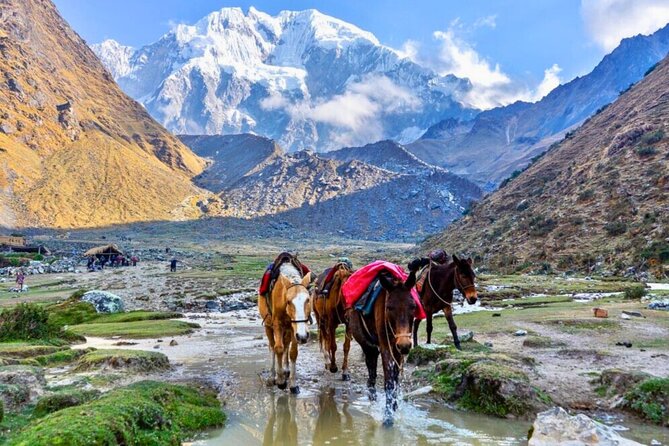
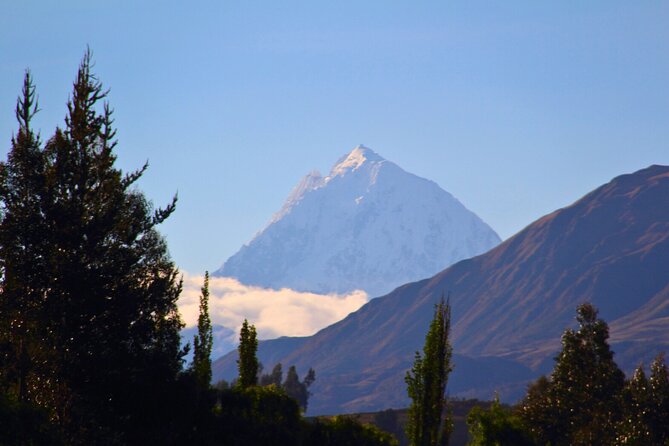
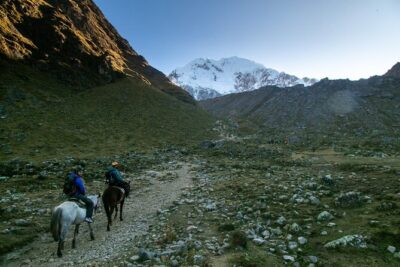
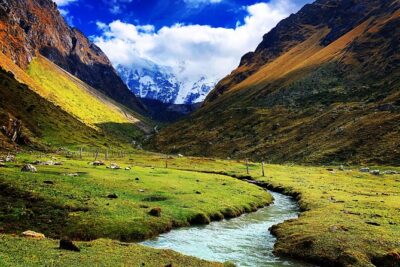
The first hike takes about three hours through a broad mountain valley. Above you are Humantay at 5,217 meters and Salkantay at 6,264 meters. These peaks give the opening day real drama, but do not let the views distract you from the altitude. You are already higher than Cusco, and the route is only getting harder.
Soraypampa, at roughly 3,700 meters, is your campsite for the night. The setting is impressive, with mountains and open valleys around you. Camping equipment includes a dining tent, tables, and chairs, and you receive tea and a snack each day. Dinner is included.
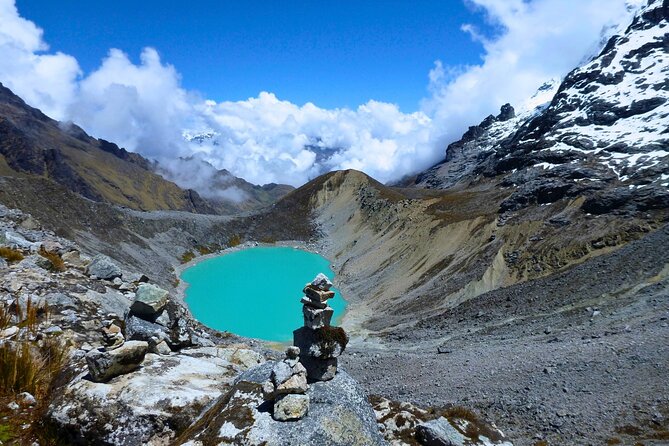
In the afternoon, you can hike to Humantay Lake. The lake is a turquoise pool high in the mountains, and the visit adds a memorable natural stop to an already active day. Since the hike is optional, you can judge your energy after the morning walk. That choice is useful, especially if this is your first high-altitude trek.
Day 2: The 4,600-meter Salkantay Pass
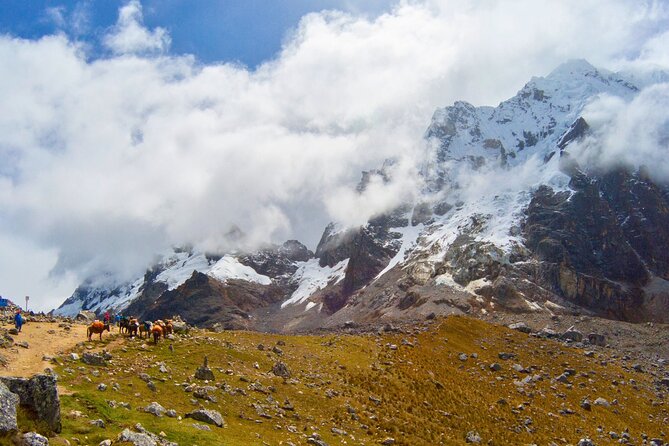
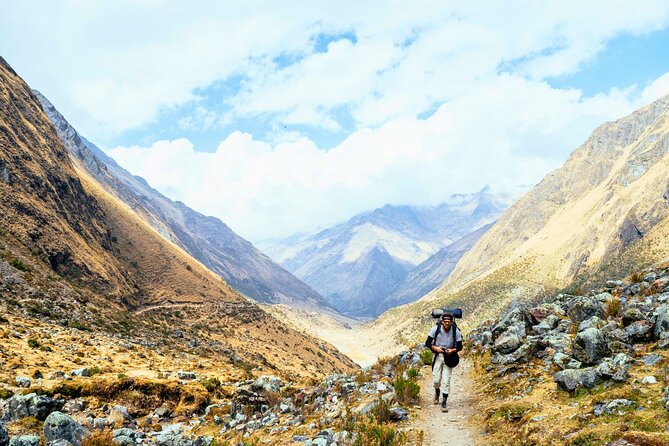
Day two is the physical test. After breakfast, you climb from Soraypampa toward Salkantay Pass at about 4,600 meters. The ascent takes roughly four hours, followed by about three hours of descent.
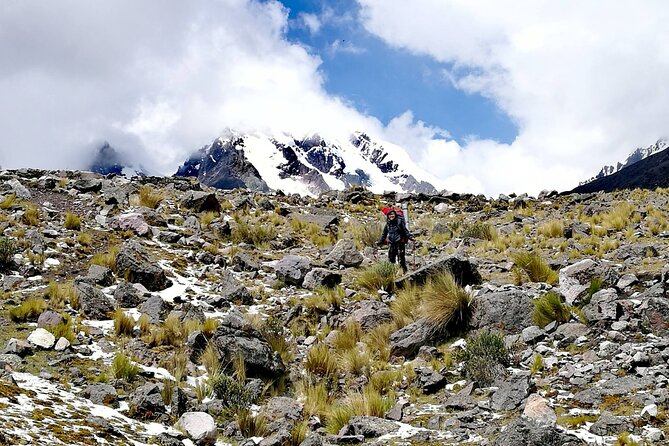
The pass gives you close views of Salkantay Mountain and wide mountain scenery. It is also where the thin air becomes most noticeable. You need a strong fitness level for this trip, and this day explains why. The climb is not just a long walk. It combines steep uphill effort, altitude, cold conditions, and the need to keep moving at a steady pace.
The reward is the change that follows. After the pass, the route drops toward Collpapampa at about 3,000 meters. The temperature becomes warmer, the air more humid, and the plant life changes quickly. You move from bare high-country slopes toward forest and farmland.
Collpapampa is the second camping area. The setting is quieter and warmer, but mosquitoes are present. Bring suitable protection, since the tour information specifically warns about them. This is also a good place to appreciate the value of the support team. Horsemen and mules carry up to 7 kilograms of your personal equipment, and an emergency horse is available between Marcoccasa and Chaullay.
One important point: the hardest effort is concentrated in the first two days. That makes the schedule efficient, but it can also leave you tired for the later sections. You can set your pace, and the guides have experience working with groups that include different ages and abilities, but you should not treat the pass as a casual walk.
Day 3: Forest paths, coffee, cacao, and Lucmabamba
Day three changes the mood. You descend through forest where orchids, bromeliads, and other tropical plants grow along the route. The walk is still active, but the air is warmer and the scenery feels more intimate than the huge open views near Salkantay.
The route continues past coffee, cacao, and fruit plantations. This is one of the most useful cultural parts of the trip because it connects the scenery to daily life. You are not simply passing through green countryside. You see crops that support local communities and learn how they are planted, harvested, dried, and prepared.
The route passes through Wiñaypoco at about 2,650 meters and Granadilla at about 2,100 meters before reaching Lucmabamba at around 2,000 meters. The steady descent means less altitude stress, though the trail can still be tiring after the previous day.
Lucmabamba is more than a place to sleep. You visit a local rural family and follow the coffee process from cultivation to a finished cup. You learn about planting, caring for the trees, collecting ripe cherries, drying beans, roasting them, and preparing coffee.
I like this stop because it gives the trek a human scale. Ancient sites and high peaks are powerful, but a family showing you how coffee is made can be just as revealing. It also gives you a direct link to the local economy rather than a quick roadside photo.
Meals are a major strength of the trip. Breakfast, lunch, and dinner are included on three days, with vegetarian options available. Some crews have gone out of their way to make meals special, including one birthday cake prepared by the cooking team. Still, expectations about tips for cooks and porters have caused confusion in some groups. Ask your guide early and clearly about the customary arrangement.
More Machu Picchu Days from Cusco:
- From Cusco: Full-Day Group Tour of Machu Picchu
★ 4.7 · 1,767 reviews - Machu Picchu Day Trip from Cusco
★ 4.5 · 1,644 reviews - Machu Picchu: Full-Day Tour from Cusco with Optional Lunch
★ 4.6 · 927 reviews - Cusco: 4-Day Inca Trail to Machu Picchu with Accommodation
★ 4.8 · 432 reviews
Day 4: Llactapata and the walk to Aguas Calientes
After breakfast in Lucmabamba, you climb toward Llactapata on an old Inca trail. The walk takes about three hours through changing vegetation, with more plants and animals along the route than you saw in the high country.
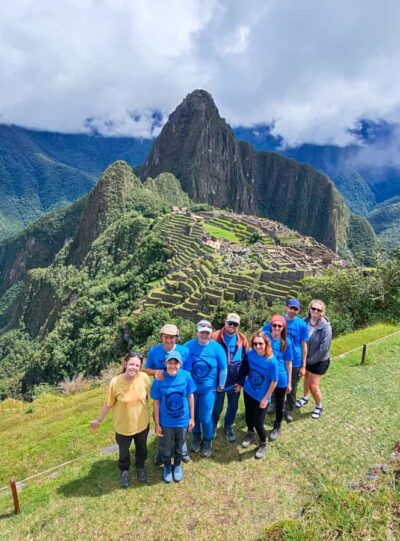
Llactapata sits at about 2,650 meters and contains terraces and other remains linked to the Inca road system. It is not Machu Picchu, and it does not have the same scale. Its value is the setting and the viewpoint. From here, you can see Machu Picchu Mountain and the Vilcanota Canyon from a different angle.
That perspective makes Llactapata worthwhile. You are approaching Machu Picchu gradually, from a hillside trail rather than arriving straight by train or bus. A good guide can help you understand why the site mattered and how it fit into the wider Inca network. Jainor, Henry, Carlos, Dario, and Rolando are names associated with especially strong guiding on this route, though guide assignments can vary.
From Llactapata, you descend toward the Hydroelectric station at about 1,950 meters. You take a break there, then continue toward Machu Picchu town, also called Aguas Calientes. The walking distance and timing can make this a long day, especially after four days on the trail.
The tour includes transportation from Lucmabamba to Hydroelectrica for equipment and everyone’s bags. That detail matters. You are still walking the route, but you are not required to carry the full load that the support team transports.
In Aguas Calientes, you stay in a private room with a private bathroom, and breakfast is included. This is a welcome change from the campsite. You can explore the town, eat dinner, and prepare for an early start to Machu Picchu.
Day 5: The first morning at Machu Picchu
The final day begins at 5:30 am after breakfast. A tourist bus takes you from Aguas Calientes to Machu Picchu, arriving around 6:00 am. The bus costs an extra $12, so include it in your budget. You can also walk, but the tour information only specifies the bus as an optional extra, not a walking schedule.
The early arrival is a smart choice. Morning light can give the citadel a calmer feel, and you have more time for the guided visit before returning to town. The guided tour lasts about three hours and covers Inca architecture, culture, and the main archaeological features.
Your entrance ticket to Machu Picchu is included, as is the entrance to Salkantay. That is a major part of the $593 price. Machu Picchu permits and transport can add up quickly on their own, so the package has solid value for someone who wants a supported trek rather than arranging every piece separately.
After the visit, you return to Aguas Calientes for lunch. Lunch on the last day is not included, and the tour estimates $30. Your train departs in the afternoon for Ollantaytambo, where a vehicle takes you back to Cusco’s historic center.
The return is long, but it is organized. You are not left to solve the train, station, and Cusco transfer on your own. The tradeoff is that your Machu Picchu day remains tightly timed, so you should follow the guide’s instructions about when to leave the citadel and when to reach the station.
What the $593 price really covers
At $593 per person, this is a substantial package rather than a bare-bones hike. Included are:
- Pre-trip briefing at 7:00 pm one or two days before departure
- Private transport from Cusco to Challacancha
- Salkantay and Machu Picchu entrance tickets
- Bilingual professional guide
- Camping equipment and dining tent
- Horseman and mules for up to 7 kilograms of personal gear
- Emergency horse on part of the route
- Three breakfasts, three lunches, and three dinners
- Daily tea and snacks
- Private hotel room and bathroom in Aguas Calientes
- Tourist train to Ollantaytambo
- Return vehicle to Cusco
You still need money for breakfast on day one, lunch on the final day, the $12 bus from Machu Picchu to Aguas Calientes, and a sleeping bag at $5 per day if you rent one. Tips for the support crew are not listed as included, and you should ask about expectations during the briefing.
The package is strongest for people who want logistics handled. You get transport, permits, meals, porters, camping arrangements, a hotel, train tickets, and a guide in one booking. Independent trekkers may prefer more control, but the convenience here is substantial.
Food, camping, and the support crew
The dining tent, tables, and chairs make campsite meals more comfortable than a simple picnic. Vegetarian food is available, and the cooking team has received unusually warm praise for producing filling, imaginative meals in difficult conditions.
The horseman and mules carry equipment, not every personal item. Your allowance is up to 7 kilograms, so pack carefully. A sleeping bag is not included, but it can be rented for $5 per day.
Camping conditions change with altitude. Soraypampa is high and cold, while Collpapampa and Lucmabamba are warmer and more humid. Mosquitoes are a concern in the lower sections. The tour supplies a first aid kit and oxygen bottle, but those items are safety support, not a substitute for fitness or altitude preparation.
Who should choose this route?
I would choose this trek if you want a demanding mountain walk with a strong mix of nature, agriculture, ruins, and Machu Picchu. It suits people who like active days and do not mind early starts, simple camping, and changing weather.
It also suits anyone who values a small group and personal guiding. The guide can adjust the pace more easily than on a large departure, and the support team helps reduce the burden of carrying gear.
I would think twice if you want a relaxed holiday, dislike camping, or have no experience with high altitude. The 4,600-meter pass arrives quickly, and the first two days can shape your entire trip. The route becomes warmer and easier on the lungs as it drops, but your legs may still feel the work.
The tour is also not flexible after booking. It is non-refundable and cannot be changed for any reason, so confirm your dates, fitness level, and packing needs before paying.
Should you book the Salkantay and Llactapata trek?
Book it if you want more than a direct Machu Picchu visit. The high pass, Humantay Lake, forest farms, family coffee demonstration, Llactapata viewpoint, and guided citadel visit create a varied five-day route.
The best reason to choose it is the balance of support and adventure. You still work for the views, but mules carry much of the equipment, meals are organized, and your guide handles the major transport links.
Skip it if the high pass sounds intimidating or if you need a low-effort schedule. For fit hikers who want a small group and a fuller sense of southern Peru, the $593 package offers a lot, provided you budget for the missing meals, bus fare, sleeping bag, and crew tips.
FAQ
How long is the Salkantay and Machu Picchu experience?
The tour lasts approximately five days, beginning in Cusco and ending back at the Cusco meeting point.
What time does the tour begin?
The meeting time is 4:00 am at Plaza de Armas in Cusco, at Del Medio 123.
How large is the group?
The maximum group size is nine travelers.
What is the highest point on the route?
The highest point is Salkantay Pass at approximately 4,600 meters, or 15,092 feet.
Is Humantay Lake included?
The afternoon hike to Humantay Lake on day one is described as optional, and entrance is included.
Are meals included?
Breakfast, lunch, and dinner are included on three days. Breakfast on day one and lunch on the final day in Aguas Calientes are not included. Vegetarian options are available.
Is accommodation included?
Yes. Camping equipment is included during the trek, and you receive a private room with a private bathroom in Aguas Calientes. Breakfast is included at the hotel.
Is the bus from Machu Picchu to Aguas Calientes included?
No. The bus costs $12. The tourist train from Machu Picchu to Ollantaytambo and the vehicle from Ollantaytambo to Cusco are included.
What should I know about fitness and altitude?
You should have a strong physical fitness level. The route includes a demanding climb to 4,600 meters, and the first two days are especially intense.
More 5-Day Experiences in Cusco
- Ausangate Trek 5 Days
★ 5.0 · 74 reviews - Classic Choquequirao Trek – 5 Days / 4 Nights
★ 5.0 · 52 reviews - Ultimate Lares Trek & Inca Trail 5 days
★ 5.0 · 47 reviews - Wonderful Cusco 5-Day Tour with Entrance to Machupicchu
★ 5.0 · 46 reviews
Just added around Cusco
- Zipline over the Sacred Valley Trip★ 5.0 · 11 reviews
- Valle Sur Cusco | half day★ 4.3 · 3 reviews
- Visit Pisac from Cusco: Private Transport★ 4.6 · 9 reviews
- Transfer from Cusco to Ollantaytambo★ 5.0 · 30 reviews
- Exclusive Huayna Picchu Tour in 1 Day from Cusco★ 5.0 · 31 reviews
- Trek to Humantay Lake from Cusco★ 4.9 · 8 reviews
- 2 Day – Short Inca Trail to Machu Picchu – Group Service★ 5.0 · 30 reviews
- Private Tour Sacred Valley, Chinchero, Maras Moray, Ollantaytambo★ 5.0 · 29 reviews
Salkantay Treks to Machu Picchu, compared.
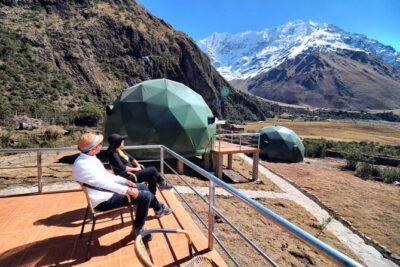
Salkantay Trek 4 Days to Machu Picchu by Glamping Sky Lodge Dome
Read our review →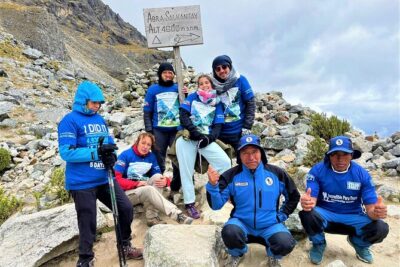
Salkantay Trek To Machu Picchu 5 Days And 4 Nights
Read our review →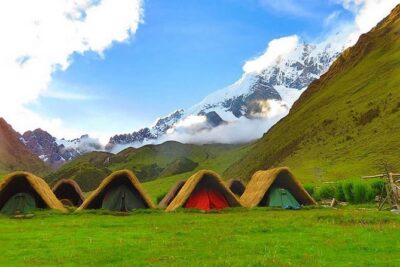
5-Day: Salkantay Trek to Machupicchu and Humantay Lake
Read our review →
Browse the lists this tour appears in