
Reviewed · SALKANTAY TREKS TO MACHU PICCHU
5 Day – Salkantay trek to Machu Picchu – Group Service
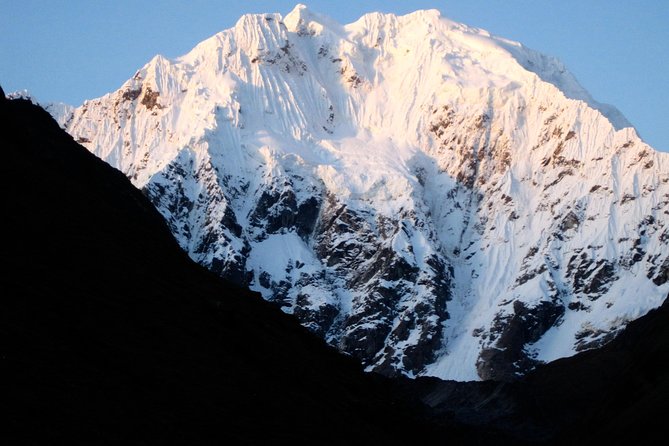
The best part of this trek is the dramatic change in scenery. You begin beneath the snow-covered peaks of Humantay and Salkantay, cross a high mountain pass where snow is possible, then descend through cloud forest and warm jungle before reaching Machu Picchu. In five days, you get a real journey, not just a visit to an ancient site.
I like the excellent range of terrain and the fact that your gear, food, camping equipment, and transport are handled for you. I also like the human touch. Guides such as Aldo, Victor, Ruben, Lenin, Oscar, and Claudio have been praised for their humor, patience, cultural knowledge, and ability to keep a group moving.
The main drawback is the physical demand. Day two reaches 15,200 feet, and the camping conditions on the second and third nights may feel basic. This is a group trek for people who can manage long days on uneven ground, not a gentle sightseeing holiday.
Key points to know before you book
- 4,650-meter mountain pass: Day two is the toughest section, with high altitude, cold conditions, and about 10 hours of walking.
- Four distinct climates: You move from high Andean country to cloud forest, river valleys, plantations, and warm jungle.
- Strong guide-and-cook team: Guides including Aldo and Victor have earned particular praise for care, humor, flexibility, and local knowledge.
- Useful support on the trail: Horsemen and mules carry camping equipment and a limited amount of your belongings.
- Machu Picchu at sunrise: Your guide leads a roughly two-hour tour after an early bus ride from Aguas Calientes.
- Good value at $650: The price covers meals, tents, entry fees, guides, porters, one hotel night, and transport back by train.
What the $650 price really covers
At $650 per person, this is not a bare-bones walking package. The fee includes hotel pickup, bilingual guides, an assistant guide, entrance fees, a cook, four breakfasts, four lunches, four dinners, snacks, tents, sleeping mattresses, porters, horsemen, mules, and transport to and from the trail.
You also receive one night in Aguas Calientes in a superior three-star hotel. That matters. After four hard days, a bed and a shower are welcome, and you do not need to carry camping equipment all the way to Machu Picchu.
The return arrangement is practical too. A tourist train takes you back toward Ollantaytambo, rather than sending you on foot along the railway after your Machu Picchu visit. Train schedules can change, and an upgrade to the Vistadome train may be available for an extra charge.
The value is strongest if you want a supported trek. You are not arranging separate camps, cooks, permits, entry tickets, or train connections. The price does not include your flights, insurance, drinks, lunch and dinner in Aguas Calientes, breakfast on day one, or a Huayna Picchu ticket.
A single supplement costs $112. That is worth noting if you do not want to share a tent or room. The package is designed for shared arrangements and a group of no more than 16 people.
More Salkantay Departures from Cusco:
- Salkantay Trek Challenge – 3 Days / 2 Nights
★ 5.0 · 101 reviews - Small Group 5 Days Salkantay and Machu Picchu by Llactapata Tour
★ 5.0 · 88 reviews - Machu Picchu: 5-Day Salkantay Trek with Panoramic Train
★ 5.0 · 79 reviews
Day one: from Mollepata to the high camp
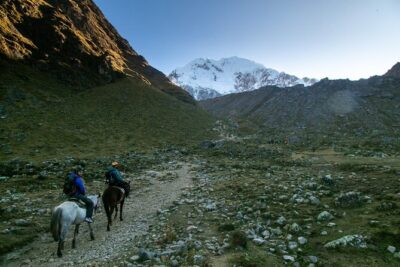
The day begins early, with pickup at about 5 a.m. You travel by bus toward Mollepata, then begin the walk toward Cruzpata. The first hiking section takes about three hours and brings wide views of Humantay and Salkantay, two of the great snow-covered peaks in this part of Peru.
Lunch comes with mountain views. That timing is useful because you get a substantial meal before the next climb toward Soraypampa, the first campsite. The second section takes around two hours.
This first day is a serious introduction, but it is not the hardest day. You are already gaining altitude, so pacing matters. Do not treat the first morning like a race. I would keep your steps short, drink regularly, and save energy for the climb to camp.
The equipment support is especially helpful here. Mules carry the camping supplies, while your included porter allowance lets you walk with a smaller daypack. The provided details refer to both seven kilograms of personal porter service and eight kilograms of belongings carried by horsemen and mules, so confirm the exact baggage limit before departure.
Day two: the Salkantay Pass at 4,650 meters
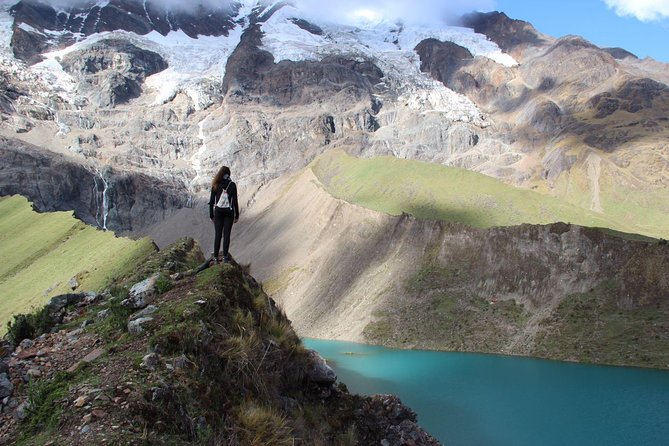
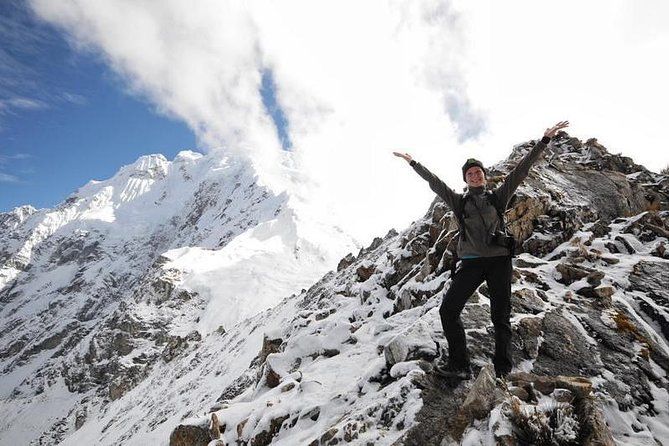
This is the day that defines the trek. Breakfast is planned for around 5:30 a.m., followed by the climb to the highest point of the route, at 4,650 meters, or 15,200 feet.
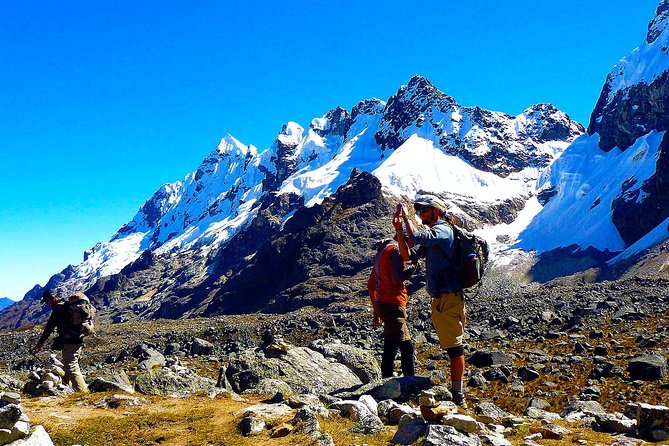
At the pass, Salkantay rises on one side and Tucarhuay on the other. The views are the reward, but the altitude is no small matter. Snow is possible, and cold wind can make the pass feel harsher than the distance alone suggests.
The full day is listed at about seven hours to Huayracpunco, followed by roughly three more hours downhill toward Colcapampa. In practice, your group’s pace may affect the final campsite. You might sleep at Colcapampa, Challway, or Andenes.
This is where a good guide earns the fee. Aldo, Victor, Ruben, and other guides associated with this route have been praised for encouragement, safety, humor, and support when the climb becomes difficult. A guide who knows when to slow the group down is more valuable here than one who simply recites facts.
After lunch, the route changes quickly. You descend through cloud forest toward warmer country, with the cold high pass giving way to a more sheltered setting. That sharp change is one of the trek’s pleasures, but it also means you need layers that can be removed and packed easily.
Day three: rivers, fruit, and hot springs
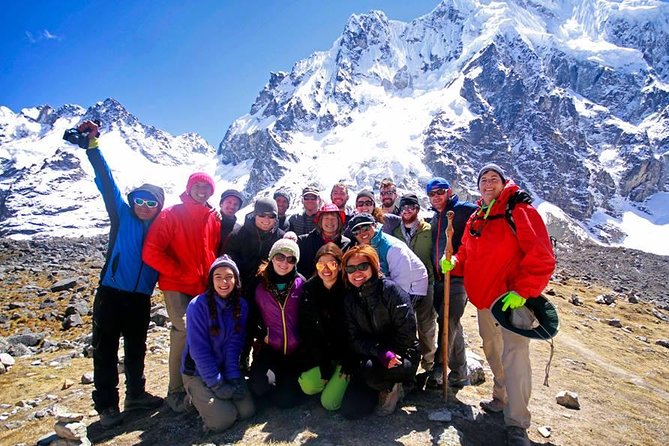
Day three starts around 6:30 a.m. and takes you through the upper jungle. You cross the Lluskamayo River and pass small brooks, waterfalls, tropical plants, and fruit-growing areas.
The walk lasts about six hours and ends at La Playa, at approximately 2,500 meters. Compared with the pass, this is a warmer and easier-feeling environment, though the distance and uneven trail still require steady legs.
This section gives you time to notice the living countryside. You are no longer looking only at peaks and glaciers. The route passes farms, plantations, water, and local settlements. That is worth keeping in mind if you expect untouched wilderness from start to finish. Much of the route feels remote, but some sections pass through places where local people live and work.
After camp, you can visit hot springs in Santa Teresa. The soak is optional, and the entrance fee is not included. It costs 10 soles according to the tour details. I would treat it as a pleasant extra rather than a guaranteed highlight, since your exact camp arrangement and timing may affect how long you have there.
The camping standards are the clearest area for caution. The tents and mattresses are included, but the campsites on days two and three may feel more basic than the polished presentation suggests. Pack a warm sleeping layer, a headlamp, and a dry change of clothes. Those items make simple camp conditions much easier to handle.
More Machu Picchu Days from Cusco:
- From Cusco: Full-Day Group Tour of Machu Picchu
★ 4.7 · 1,767 reviews - Machu Picchu Day Trip from Cusco
★ 4.5 · 1,644 reviews - Machu Picchu: Full-Day Tour from Cusco with Optional Lunch
★ 4.6 · 927 reviews - Cusco: 4-Day Inca Trail to Machu Picchu with Accommodation
★ 4.8 · 432 reviews
Day four: Llactapata and the first sight of Machu Picchu
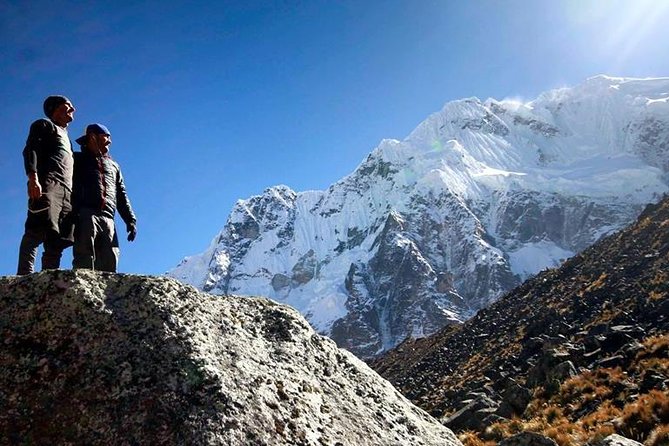
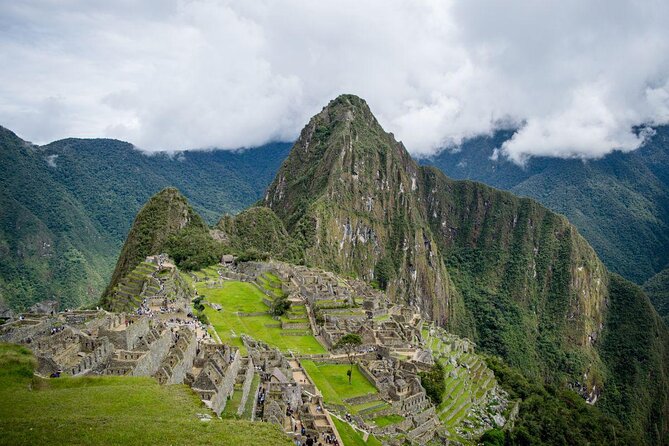
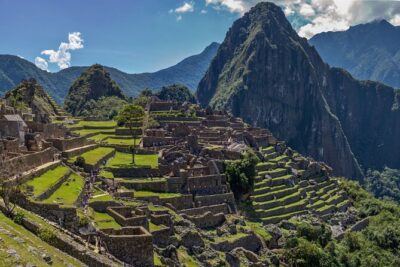
Breakfast is scheduled for about 6:30 a.m., followed by a three-hour climb to Llactapata. This former Inca fort offers one of the trek’s most satisfying moments: your first view of Machu Picchu from across the valley.
That sight has more emotional force than arriving by bus. You have spent several days walking from the mountains, and the citadel appears as a destination rather than a quick stop on a sightseeing circuit.
After time for photos and rest, you descend for about two hours through plantations growing coca, bananas, and other crops. Lunch comes at the Hydroelectric dam. From there, you walk for another couple of hours to Aguas Calientes.
The day is listed at around eight hours in total. The downhill sections may sound easier, but long descents can be hard on knees and ankles. Trekking poles are a sensible choice, especially if you are not used to steep paths.
Aguas Calientes offers another optional hot spring visit. The entrance fee is 10 soles. Your overnight stay is included, but lunch and dinner in town are not. Budget for both meals, drinks, and any extra purchases before you arrive.
Day five: sunrise at Machu Picchu
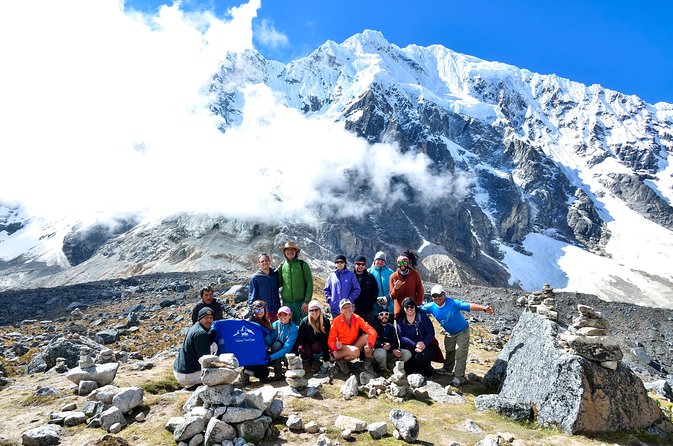
The final morning starts early. Your guide picks you up from the hotel at about 5:40 a.m., and you take the short bus ride to the Machu Picchu entrance.
The plan is to watch the sunrise, then take a guided tour lasting about two hours. After the tour, you have free time to explore the citadel on your own before continuing with the return arrangements.
The early start is part of the appeal, but sunrise is never guaranteed to be clear. Clouds and weather can affect what you see. Still, entering at the start of the day gives you a calmer first look than arriving late and rushing through the main areas.
Huayna Picchu tickets are not included. If climbing that additional peak matters to you, arrange it separately and confirm availability before you commit to the trek. The included Machu Picchu visit is the main citadel entry and guided experience described here.
Food, guides, and the group experience
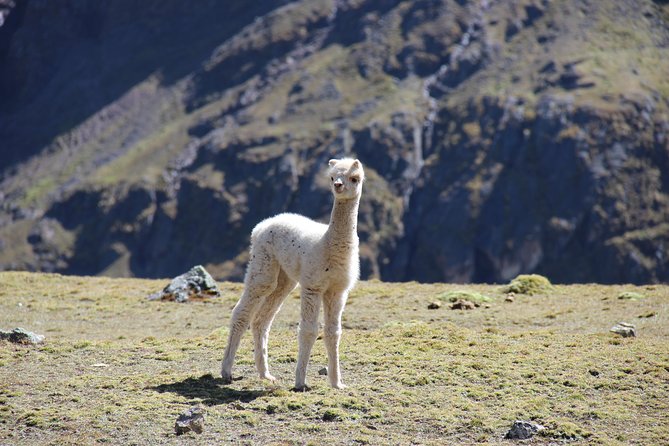
Food is one of the strongest features of this trip. The cook prepares meals in camp, and names such as Gregorio, Wilfredo, Cirilo, and other crew members have received especially warm praise for filling, varied food served in difficult conditions.
You eat in a dining tent with tables and chairs. That small detail matters after a long day. It gives the group a place to sit, warm up, and hear the next day’s plan.
Vegetarian meals are available, but you need to request them at booking. Alcoholic and non-alcoholic drinks are not included, so carry enough water and plan to pay separately for drinks along the route.
The maximum group size is 16. That is not a private trek, but it is small enough for the guide to keep track of the group more easily than on a large departure. The guide may also adjust parts of the day to suit the group’s pace, as long as trail and transport conditions allow it.
The most praised staff members are guides such as Aldo and Victor, with Ruben, Lenin, Oscar, and Claudio also receiving strong personal praise. The common thread is practical care: helping with difficult sections, explaining Inca culture and local customs, keeping morale up, and adapting when someone needs assistance.
Fitness, altitude, and what to pack
You need a strong physical fitness level for this trek. The combination of altitude, steep climbs, long descents, cold mornings, warm jungle, and several consecutive walking days is demanding.
The second day is the key test. Reaching 4,650 meters can affect even fit people, and no guide can remove the risk of altitude sickness. Extra oxygen and a first-aid kit are included, but you should still discuss high-altitude trekking with a medical professional if you have concerns.
Pack for changing conditions:
- Warm layers and a rain layer
- Comfortable hiking shoes with good grip
- A headlamp
- Sunscreen and a hat
- A refillable water bottle
- A small daypack
- Dry socks and a change of clothes
- Cash for hot springs, drinks, and meals in Aguas Calientes
The route moves from cold mountain country to hot jungle, so one heavy jacket is not enough. Several light layers are more useful.
Who should book this Salkantay trek?
I would recommend this trip if you want Machu Picchu to be the end of a physical journey. It suits hikers who enjoy changing scenery, basic camping, early starts, and the shared rhythm of a small group.
It is also a good choice if you want the practical work handled for you. The guides, cooks, mules, porters, entry fees, train, and hotel night remove much of the planning burden.
I would think twice if you dislike camping, struggle with long descents, or want a soft, predictable schedule. The campsites may be basic, the second day is hard, and train times can change. The route also passes through local settlements, so it is not wilderness every minute.
The experience has a 4.7 rating from 27 ratings, with 93 percent recommended. That matches the overall picture: strong guiding, excellent food, memorable scenery, and solid organization, balanced by tough walking and some uneven camping conditions.
Should you book it?
Book this trek if you want mountains, jungle, culture, and Machu Picchu in one trip, and you are ready to work for the final arrival. At $650, the package offers good value because it includes the major costs that quickly add up on an independent trek.
Before paying, confirm the porter baggage allowance, expected campsites, train departure, single supplement, and vegetarian meal request. Also remember that the cancellation policy is strict: the experience is non-refundable and cannot be changed after booking, except when the operator cancels because the minimum group size is not met.
FAQ
How long is the Salkantay trek to Machu Picchu?
The experience lasts five days and four nights. It includes three nights of camping and one night in Aguas Calientes.
What time does the trek begin?
Pickup is scheduled for 5:00 a.m. on the first day. The group then travels by bus to Mollepata.
How high does the trek go?
The highest point is the Salkantay Pass at 4,650 meters, or about 15,200 feet.
Is camping equipment included?
Yes. The package includes four-person tents shared by two people, sleeping mattresses, a dining tent, tables, and chairs.
Are meals included?
Breakfast, lunch, and dinner are included for the four trekking days. Breakfast on day one, plus lunch and dinner in Aguas Calientes, are not included.
Is the Machu Picchu entrance included?
Yes. Entrance fees are included, along with a guided tour of the citadel. Huayna Picchu tickets are not included.
Can I request vegetarian food?
Yes. A vegetarian option is available, but you need to request it when booking.
More Hiking & Trekking in Cusco
- From Cusco: 7 Lakes Ausangate Trek with Breakfast and Lunch
★ 4.8 · 360 reviews - Cusco: Rainbow Mountain Tour and Red Valley Hike (Optional)
★ 4.7 · 149 reviews - Cusco: Full-Day Rainbow Mountain & Red Valley Trekking Tour
★ 4.5 · 121 reviews - From Cusco: Rainbow Mountain Trek
★ 4.5 · 98 reviews
More 5-Day Experiences in Cusco
- Ausangate Trek 5 Days
★ 5.0 · 74 reviews - Classic Choquequirao Trek – 5 Days / 4 Nights
★ 5.0 · 52 reviews - Ultimate Lares Trek & Inca Trail 5 days
★ 5.0 · 47 reviews - Wonderful Cusco 5-Day Tour with Entrance to Machupicchu
★ 5.0 · 46 reviews
Just added around Cusco
- Zipline over the Sacred Valley Trip★ 5.0 · 11 reviews
- Valle Sur Cusco | half day★ 4.3 · 3 reviews
- Visit Pisac from Cusco: Private Transport★ 4.6 · 9 reviews
- Transfer from Cusco to Ollantaytambo★ 5.0 · 30 reviews
- Exclusive Huayna Picchu Tour in 1 Day from Cusco★ 5.0 · 31 reviews
- Trek to Humantay Lake from Cusco★ 4.9 · 8 reviews
- Private Tour Sacred Valley, Chinchero, Maras Moray, Ollantaytambo★ 5.0 · 29 reviews
- 2 Day – Short Inca Trail to Machu Picchu – Group Service★ 5.0 · 30 reviews
Salkantay Treks to Machu Picchu, compared.
Small Group 5 Days Salkantay and Machu Picchu by Llactapata Tour
Read our review →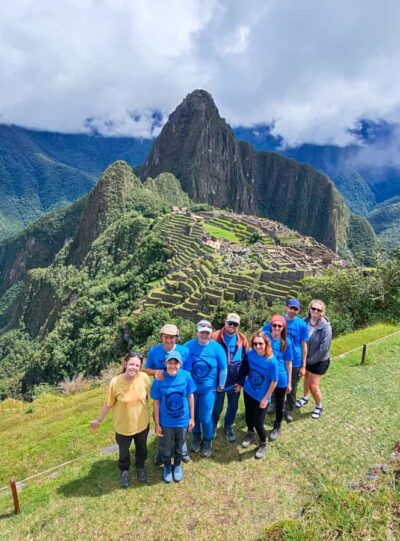
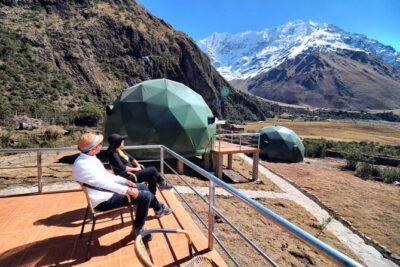
Salkantay Trek 4 Days to Machu Picchu by Glamping Sky Lodge Dome
Read our review →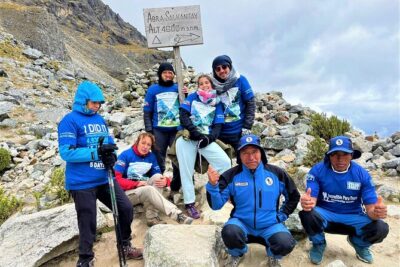
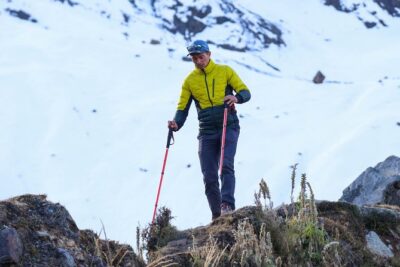
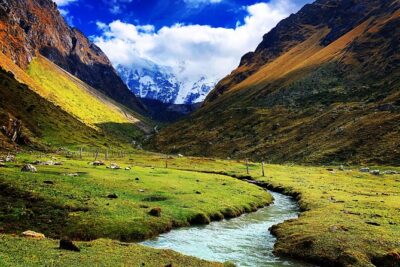
Salkantay Trek To Machu Picchu 5 Days And 4 Nights
Read our review →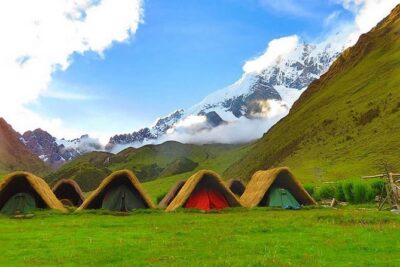
5-Day: Salkantay Trek to Machupicchu and Humantay Lake
Read our review →Browse the lists this tour appears in