
Reviewed · HIKING & TREKKING
Classic Choquequirao Trek – 5 Days / 4 Nights
Choquequirao is the prize here, but the real adventure is earning it. You descend into the Apurímac Valley, cross the river, then climb hard toward an Inca citadel that sits at 3,050 meters. The route is quieter and rougher than the usual Machu Picchu path, with condors, stone terraces, white llama carvings, and enormous canyon views.
I like the small-group format, capped at 10 in the tour description and 12 in the additional information, and I like that a cook, mule team, porters, satellite phones, oxygen, and a portable toilet are included. Guides such as Guido, George, Franz, Carlos, and Caesar are praised for clear briefings, steady encouragement, and strong cultural explanations.
The catch is simple: this is a very hard hike. The route drops steeply, climbs steeply, and then repeats the punishment on the way back. You need good fitness, two days to adjust in Cusco, and a willingness to sleep in tents rather than expect a soft hotel each night.
Key points before you book
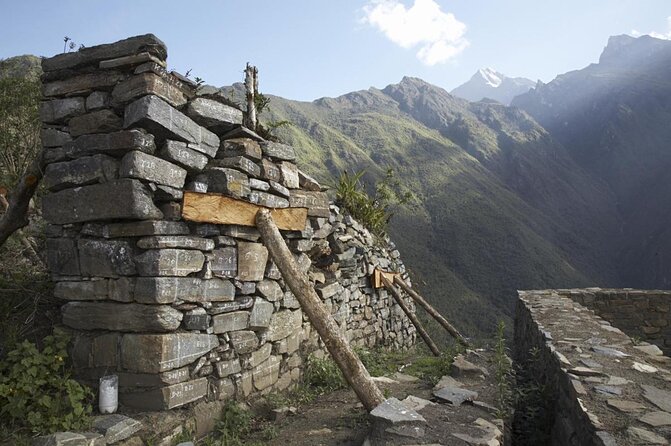
- Choquequirao takes a full day: You get several hours to explore plazas, temples, terraces, and the famous white llama carvings.
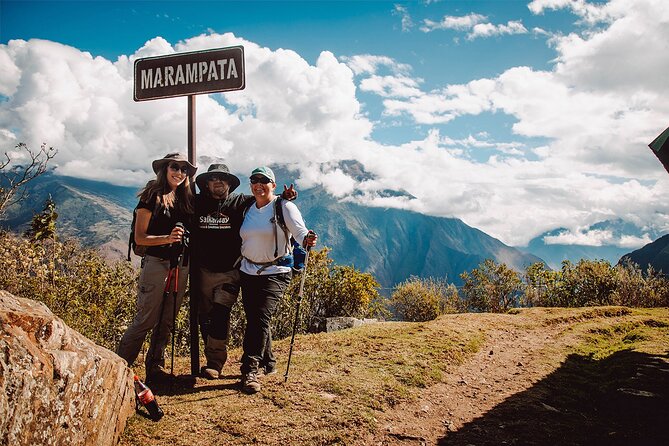
- The canyon crossing is the test: The descent from Capuliyoc to Chiquisca leads to a bridge and a demanding climb toward Marampata.
- Your heavy gear is handled: Porters and muleteers carry camping equipment and up to 5 kilograms of your personal items.
- Meals are a real part of the value: Breakfast, lunch, dinner, snacks, tea, and water are included, with vegetarian and vegan options available.
- The return includes two worthwhile stops: Saywite Monolith and the Cconoc hot springs break up the final drive to Cusco.
- Plan for early starts: Pickup begins around 4:00 to 4:30 a.m., and the final arrival in Cusco is expected around 6:00 p.m.
Why Choquequirao is worth the hard miles
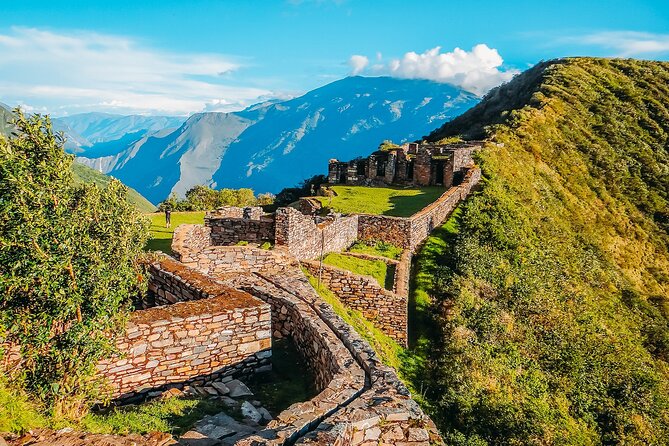
Choquequirao is often compared with Machu Picchu, but the experience feels very different. You do not reach it by train or a short uphill walk. You reach it after a long approach through one of the Andes’ most dramatic valleys, carrying only a daypack while the support team handles the bulky gear.
The citadel sits near one of the deepest canyons in South America. Its plazas, temples, terraces, and carved stone details are spread across a large area, and only about 40 percent of the site is estimated to be visible. That matters because your visit feels less like checking off one viewpoint and more like spending time with a place that still has much left to reveal.
The best-known detail is the series of white llamas carved into the terraces. Do not rush past them. They are one of the site’s most distinctive features, and your guide can put the architecture and agricultural works into an Inca cultural setting.
The price is $735 per person. That is not a cheap walking holiday, but the cost includes transportation, the archaeological entrance, a licensed bilingual guide, camping equipment, cooks, porters, meals, snacks, water, a duffle service, emergency equipment, and hotel transfers. For a remote five-day route, those services add up quickly.
You still need to pay for or bring a sleeping bag, trekking poles, personal hiking clothing, and travel insurance. The tour also does not include dinner on the fifth day in Cusco.
A few more Cusco days worth weighing up
- Small Group 5 Days Salkantay and Machu Picchu by Llactapata Tour
★ 5.0 · 88 reviews - Machu Picchu: 5-Day Salkantay Trek with Panoramic Train
★ 5.0 · 79 reviews - Ausangate Trek 5 Days
★ 5.0 · 74 reviews
Day 1: Cusco to Capuliyoc and down to Chiquisca
Your day begins before sunrise, with hotel pickup around 4:00 to 4:30 a.m. Private transport takes you toward Cachora. On the way, you may see the Salkantay and Humantay glaciers, a fine reminder that this trek begins in a high Andean setting before dropping into warmer canyon country.
After breakfast, you continue to Capuliyoc. This is where you meet the cooks and muleteers who support the trek. Their work is easy to underestimate. They carry tents, kitchen gear, and other heavy supplies, allowing you to hike with a more manageable load.
From Capuliyoc, the trail drops for about three hours to Chiquisca. This is not a gentle warmup. A long descent can be rough on your knees, and the dry mountain setting offers little shade in places. Start slowly and protect your energy. The climb comes later.
The views help. You look across the Apurímac Valley toward Padreyoc and Qoriwayrachina, with fruit crops appearing near Chiquisca. Condors may circle above the valley, though wildlife sightings are never guaranteed.
Chiquisca is warmer and more arid than Cusco. You have dinner at camp and sleep in a tent. The first night sets the tone: this is a serious route, but the support system makes it more manageable.
Day 2: The river crossing and the climb to Marampata
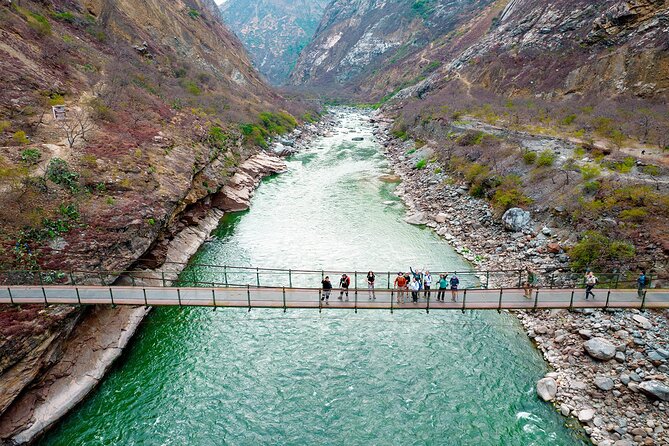
The second day contains the route’s clearest physical challenge. You first descend for about an hour to Playa Rosalina, the lowest point in the valley. The name suggests a beach, but think of it as a riverside stop rather than a broad coastal-style shore.
After crossing the footbridge, the trail turns sharply upward. The ascent toward Santa Rosa and Marampata is long and steep, with switchbacks that seem to keep going when your legs would prefer a break. Lunch is served in Santa Rosa, followed by about three more hours of uphill walking toward camp.
This is where the included support matters most. Water, snacks, tea, meals, and a guide who gives regular briefings can make a hard day feel organized rather than chaotic. Guides named in the tour’s feedback, including Franz, George, Guido, and Carlos, are praised for keeping groups informed and encouraging people through difficult stretches.
Marampata rewards the effort with canyon views. Late afternoon light can turn the mountains and Apurímac Valley orange, and the lack of city lights gives you a good chance at a star-filled evening. Still, do not treat the camp as a hotel. You are sleeping outdoors in high-quality tents, and facilities remain basic even with the portable toilet and hygiene items provided.
Day 3: A full day inside Choquequirao
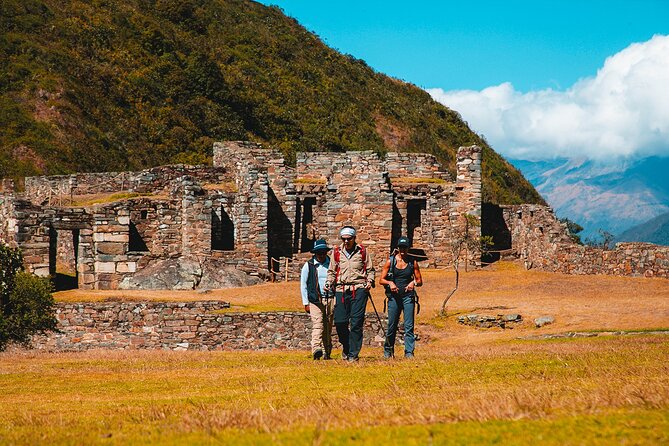
From Marampata, it takes about an hour to reach Choquequirao. This short approach is a welcome change after the previous day’s climb. You then have most of the day to explore the citadel with your guide.
The site covers plazas, temples, agricultural terraces, and carved stone features. The terraces show how carefully the Incas worked with steep ground, while the position above the canyon explains why the setting feels so powerful. The archaeological area is large enough that comfortable walking shoes and steady pacing matter.
Your guide is important here. A good explanation turns piles of stone into a readable place: ceremonial areas, farming systems, and routes between sections. Guides such as Guido and Roman are praised for explaining Inca culture, local traditions, architecture, and the area’s connection to their own upbringing.
You have a picnic lunch during the visit. Use the pause to rest, drink water, and take in the scale of the mountains. You will likely want photographs, but leave room to simply look. The white llama carvings are the detail most people hope to see, and they are easy to miss if you rush between larger structures.
By late afternoon, you return to Marampata for dinner and another night in camp. The round trip means you do not need to pack up your full camp before exploring, which is a small but welcome comfort.
Same altitude, a completely different day:
- Cusco: Humantay Lake Tour with Breakfast and Buffet Lunch
★ 4.9 · 2,976 reviews - From Cusco: Sacred Valley & Maras Salt Mines Tour with Lunch
★ 4.8 · 2,227 reviews - From Cusco: Moray, Maras Salt Mines & Chinchero Weavers Tour
★ 4.8 · 1,925 reviews - From Cusco: Full-Day Group Tour of Machu Picchu
★ 4.7 · 1,767 reviews
Day 4: Retracing the route through the Apurímac Valley
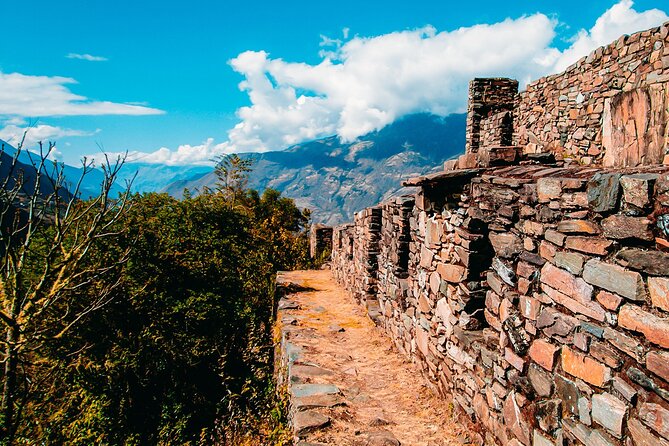
Day four begins the return journey. You leave Choquequirao behind and make your way back through the same canyon country. The repetition is practical, not a flaw in planning: there is no short road out, so the route’s steep descent and river crossing must be tackled again.
You walk for roughly two hours to Santa Rosa through greener vegetation, then stop for lunch. Later, you return to Playa Rosalina. If conditions allow, you can cool your feet or body in the cold waters of the Apurímac River. This is a refreshing pause, but be sensible around moving water and do not treat it as a formal swimming facility.
The final climb to Chiquisca is another test. By this point, your legs have already handled two demanding days, so the switchbacks may feel harder than they did on the way in. Keep your pace steady and use the support team. The point is to arrive safely, not to win a race.
In Chiquisca, a local family welcomes you into their home. This is one of the more personal parts of the trip, giving you a chance to learn about Andean customs and the connection to Pachamama. It is a useful counterpoint to the archaeological site because it links the route to living local traditions rather than treating the valley as a backdrop.
You spend the night at the campsite after dinner. At this stage, the tent, meal, and a chance to rest will probably feel more valuable than any extra luxury.
Day 5: Capuliyoc, Saywite, and Cconoc
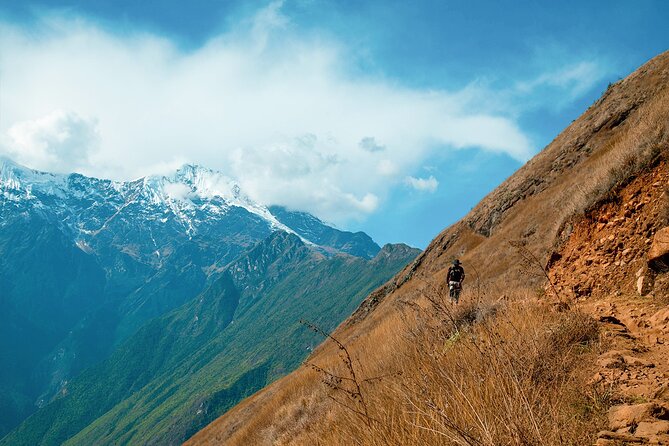
The final morning starts early to avoid the strongest sun. You hike for about four hours from Chiquisca back to Capuliyoc, following the sound of the Apurímac River for part of the route. This climb is less dramatic than the push to Choquequirao, but tired legs make it no small finish.
At Capuliyoc, you say goodbye to the hiking staff and board private transport. The end of the walking portion also marks the beginning of a useful cultural add-on. Saywite Monolith is a sacred Inca site with more than 200 carved figures. It is not just a quick roadside photo stop, so listen closely to the guide’s explanation of why the stone mattered.
Next comes Cconoc, where you can soak in hot springs before lunch. After four days of hard walking, this stop is well judged. It gives your muscles a break and keeps the last day from becoming nothing but a long vehicle ride.
You return to Cusco around 6:00 p.m. and are transferred to your accommodation. Snow-capped mountains appear once more along the drive, a fitting last view of the route.
Food, camping, and what your $735 covers
The package includes five breakfasts, five lunches, and four dinners, along with daily snacks, tea time, and water. Vegetarian and vegan meals are available if you request them when booking. Gluten-free needs were handled carefully for at least one group, but you should still state all dietary requirements in advance.
The cooking receives especially strong praise. Meals reportedly included more variety and care than hikers expected from a remote camp kitchen, with fresh cakes and well-prepared dishes mentioned as highlights. The cook is not a minor detail on this trek. A hot meal after a steep climb can change the whole evening.
You sleep in high-quality tents designed for two people, with camping equipment supplied. An inflatable mattress, rain poncho, bag cover, small towel, soap, and a portable toilet are included. Sleeping bags and trekking poles are not included, so arrange those before departure.
Porters and muleteers carry camping gear and your personal belongings up to 5 kilograms in the provided duffle bag. Pack light. Keep essentials such as rain gear, water, sun protection, medication, and a change of clothes in your daypack.
The group size is small, though the supplied details give two different limits: up to 10 people in one description and a maximum of 12 elsewhere. Confirm the final group size when booking.
Fitness, altitude, and practical preparation
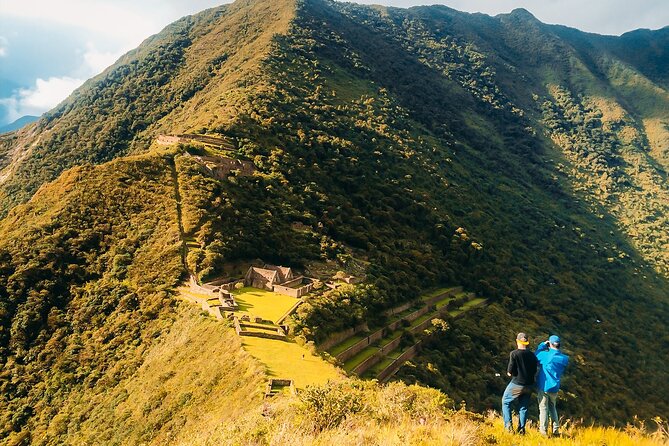
You should treat this as a challenging trek, not a casual sightseeing trip. The route includes long downhill sections, a river crossing, and repeated uphill stretches. The hardest part is not one isolated climb. It is the combination of steep terrain, altitude, heat in the lower valley, and several days of walking.
Arrive in Cusco at least two days before departure to adjust to the altitude. The citadel itself is at 3,050 meters, and the route moves through varying elevations. Good physical condition will help you enjoy the views instead of spending the entire day managing sore legs.
Start training with long walks and hills. Trekking poles are worth bringing or renting because they help on both descents and climbs. A sleeping bag is also essential because it is not included.
Emergency planning is stronger than you might expect for a remote trek. The team carries a first aid kit, oxygen, walkie-talkies, and emergency satellite phones. These tools do not make the trail easy, but they provide sensible backup where roads and medical facilities are limited.
The tour allows children aged 12 and older, but they must be accompanied by a responsible adult. Service animals are allowed. Everyone must provide passport name, number, expiry date, and country at booking, and your passport must be current for the travel date.
Who should book this Choquequirao trek?
I would choose this trip if you want a demanding Andes route with a full day at an important Inca site, rather than a quick visit built around transport. It suits hikers who value scenery, cultural explanation, small groups, and a well-supported camp system.
You should think twice if you dislike steep descents, basic camping, early starts, or repeating part of a route on the way home. The walk is challenging enough that fitness is not optional.
The guide can shape the experience. Names praised in the supplied feedback include Guido, Roman, Franz, George, Carlos, Anthony, Caesar, and Elvis. The strongest themes are clear morning and evening briefings, encouragement during hard climbs, cultural explanations, humor, and close attention to dietary needs.
Should you book it?
Book this trek if Choquequirao is high on your Peru list and you want to reach it by foot with meals, porters, transport, and emergency support already arranged. The $735 price is fair for the amount of staff, equipment, food, and transport involved, though you must add your own sleeping bag, trekking poles, personal gear, and insurance.
Do not book it because you expect an easy alternative to Machu Picchu. Book it because you want the canyon, the effort, the quiet camps, the llama carvings, and the satisfaction of reaching a major Inca site under your own power. The experience is non-refundable, so be certain that your fitness, health, schedule, and appetite for rough camping match the route before paying.
FAQ
How long is the Choquequirao trek?
The tour lasts five days and four nights, with departure from Cusco around 4:00 to 4:30 a.m. on the first day and arrival back in Cusco at about 6:00 p.m. on day five.
How difficult is the hike?
It is a challenging trek requiring good physical fitness. The route includes a long descent into the Apurímac Valley, a footbridge crossing, steep ascents to Marampata and Choquequirao, and a demanding return over the same general route.
Is the entrance to Choquequirao included?
Yes. Entrance to the Choquequirao archaeological site is included in the price.
What camping equipment is provided?
The tour provides camping accommodation and equipment, high-quality tents for two people, an inflatable mattress, a bag cover, a rain poncho, a dining tent, chairs, a portable toilet, and small hygiene items. Sleeping bags and trekking poles are not included.
How much personal luggage can porters carry?
A duffle bag is provided for personal items, with up to 5 kilograms, or 11 pounds, carried by porters. Camping equipment is also transported by the support team.
Can I request vegetarian, vegan, or other special meals?
Vegetarian and vegan options are available. You should advise the provider of dietary needs when booking. The package includes five breakfasts, five lunches, four dinners, water, tea time, and daily trail snacks.
Just added around Cusco
- Zipline over the Sacred Valley Trip★ 5.0 · 11 reviews
- Valle Sur Cusco | half day★ 4.3 · 3 reviews
- Visit Pisac from Cusco: Private Transport★ 4.6 · 9 reviews
- Transfer from Cusco to Ollantaytambo★ 5.0 · 30 reviews
- Exclusive Huayna Picchu Tour in 1 Day from Cusco★ 5.0 · 31 reviews
- Trek to Humantay Lake from Cusco★ 4.9 · 8 reviews
- Private Tour Sacred Valley, Chinchero, Maras Moray, Ollantaytambo★ 5.0 · 29 reviews
- 5 Day – Salkantay trek to Machu Picchu – Group Service★ 4.5 · 27 reviews
Hiking & Trekking, compared.
Rainbow Mountain Tour and Red Valley Hike (Optional)
Read our review →
Full-Day Rainbow Mountain & Red Valley Trekking Tour
Read our review →
Private Palccoyo Rainbow Hike Without the Crowds
Read our review →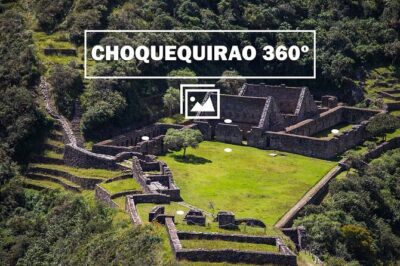
Ancascocha Trek To Machu Picchu 4 Days And 3 Nights
Read our review →Browse the lists this tour appears in