
Reviewed · CUSCO CITY TOURS & INCA RUINS
Cusco: Half-Day Historic City Tour
Cusco’s best-known Inca sites sit above and around the city, and this seven-hour afternoon tour fits nearly all of them into one outing. You begin with the Cathedral and Qoricancha, then ride to Sacsayhuaman, Qenqo, Puca Pucara, and Tambomachay before ending at a craft center.
I like the small group limit of 12 people and the air-conditioned coach, especially since the route covers several sites at different elevations. I also like the value: the base price is only $18, though you must add entrance fees and the tourist ticket. The main drawback is pace. You get a useful first look at many places, but several stops can feel brief.
Key points
- Four major Inca sites after lunch: Sacsayhuaman, Qenqo, Puca Pucara, and Tambomachay are all covered in one afternoon.
- The cathedral and Qoricancha come first: You see both major historic sites before leaving central Cusco.
- A compact group makes guiding easier: The stated limit is 12 people, though one past departure included some Spanish-language guiding.
- The $18 price is only the starting point: Add 110 soles for the cathedral, Qoricancha, and tourist ticket.
- The finish includes a textile demonstration: You learn how to tell traditional vicuña garments from imitations.
- Expect a full outing, not a leisurely visit: The coach returns near Cusco’s main square at about 7:30 PM.
A practical afternoon route through Cusco
This tour works as a fast introduction to Cusco’s Spanish and Inca past. The first part stays in the center, where the Cathedral and Qoricancha show how two cultures shaped the same city. The second part moves uphill and outward to the great stone sites.
Pickup begins around 1:00 PM from hotels in central Cusco. If your hotel sits outside the designated center, pickup is arranged at the Inka Ahy statue in the main square. You should confirm your hotel name and address when booking, then wait in reception at the stated time.
The group travels in an air-conditioned coach or small van. That matters here. The tour covers several sites, and walking between them would waste both time and energy. The vehicle also gives you a break from the strong Cusco sun, though you still need a hat, sunscreen, sturdy shoes, and clothing suited to changing weather.
The guide speaks English, and the stated group limit is 12 people. That is smaller than many city excursions and should make it easier to hear explanations and ask questions. One past departure included Spanish for part of the tour after more people joined, so you may want to confirm the language arrangement before setting out if English-only guiding matters to you.
More City and Ruins Half-Days in Cusco:
- Cusco: Half-Day City Tour with Sacsayhuaman and Q’enco
★ 4.6 · 1,129 reviews - City Tour Cusco Qoricancha Sacsayhuaman y Tambomachay
★ 4.7 · 617 reviews - Open Bus Cusco City Tour
★ 4.5 · 219 reviews
The Cathedral of Cusco sets the historical stage
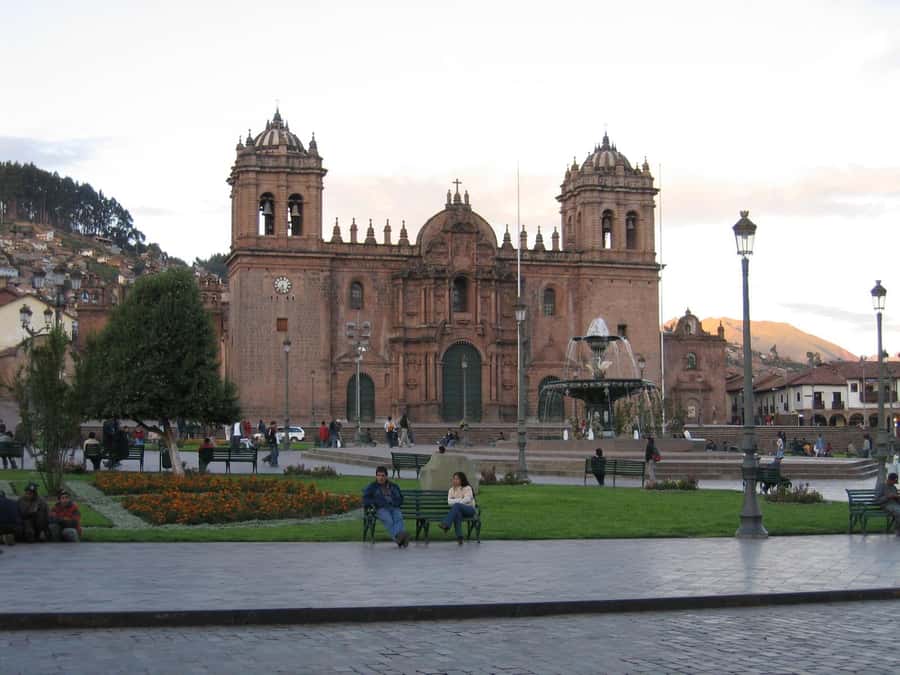
The tour begins inside the Cathedral of Cusco, a UNESCO World Heritage Site on the main square. You will see paintings, carvings, and sculptures, while the guide explains the building and its place in Cusco’s religious history.
This is not simply a quick exterior photo stop. The visit takes you into one of the city’s major art collections, so it gives useful context before the tour turns to Inca stonework. The cathedral also helps explain the layers of Cusco, where Spanish colonial power was built into a city already shaped by the Inca.
The entrance fee is not included. Budget 25 soles, paid in local currency. Bring cash, since the tour information specifically advises paying the admission charges locally.
You may find this first stop feels more structured than the ruins later in the day. The guide leads the visit and points out details inside, while the archaeological sites allow more independent wandering. If church art is not your main interest, keep that in mind when deciding how much time you want to devote to this tour.
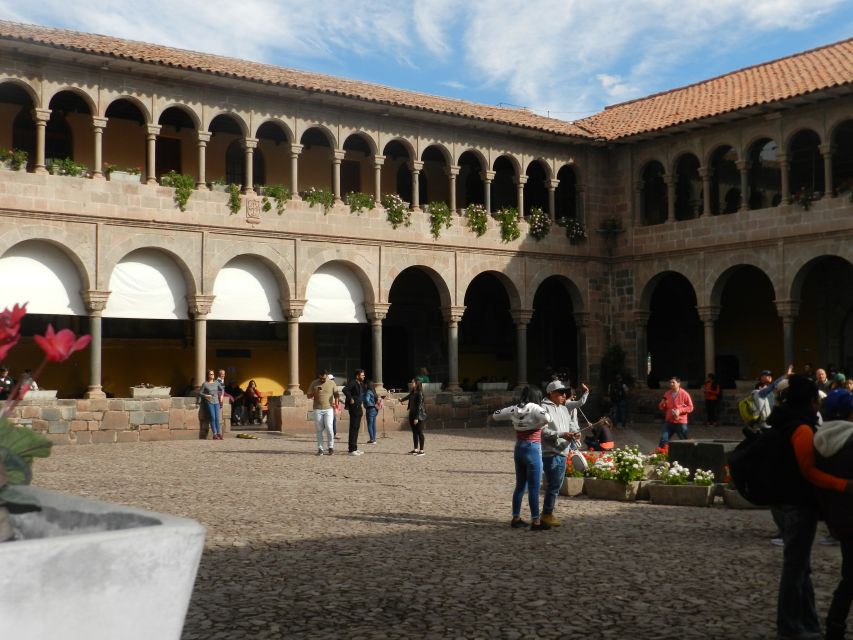
Qoricancha connects Inca worship with colonial Cusco
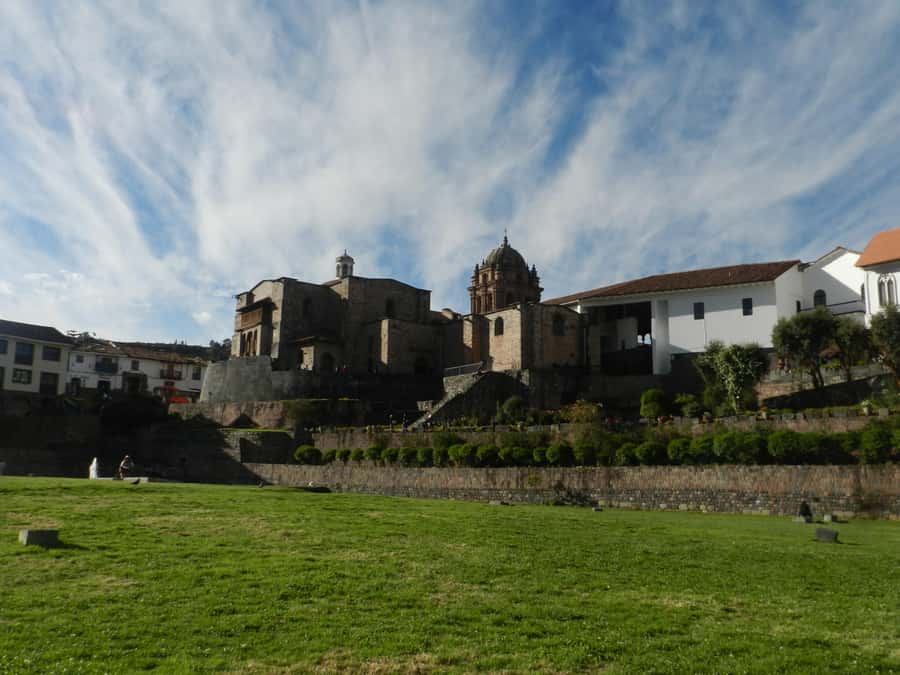
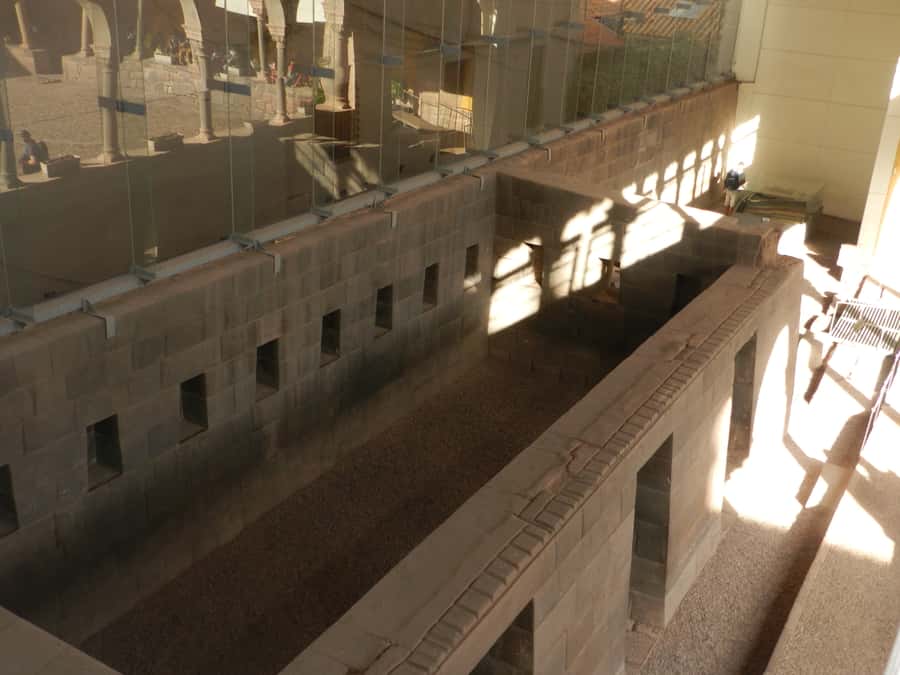
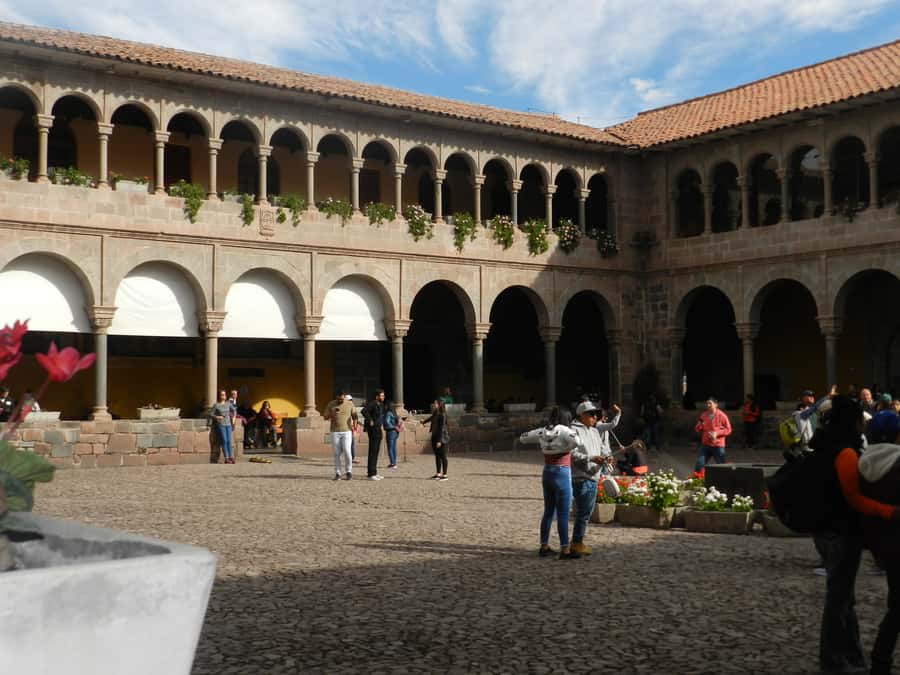
Next comes the Qoricancha Museum, located in the city center. The site began as an Inca temple dedicated to the Sun, making it one of the most important places on the route for understanding Inca religion and power.
The museum visit pairs well with the cathedral. You see how an Inca sacred site and a Spanish religious institution occupy the same historic city, then move on to the large stone complexes outside Cusco. That contrast is one of the strongest parts of the day.
Admission costs 15 soles and is not included. You will need local currency for this fee, as well as for the other required ticket.
The city-center visits happen before the group gathers for the coach portion. That arrangement helps the tour cover more ground, but it also means the day has several transitions. Keep your belongings together and pay attention to where the group meets after each visit.
Sacsayhuaman gives you the biggest stonework
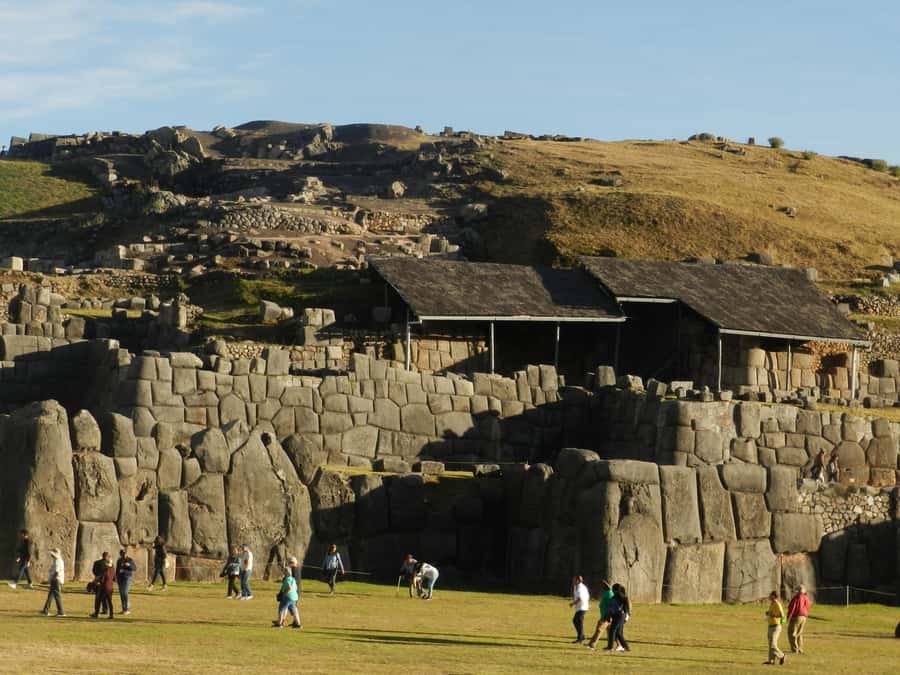
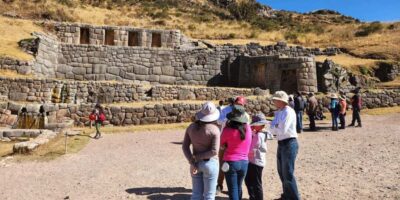
The coach travels about 2 kilometers from central Cusco to Sacsayhuaman. This vast complex contains 33 archaeological sites and is widely linked with military use.
For many people, this is the visual high point of the tour. The scale of the stonework is difficult to grasp from photographs, and the site gives you a much larger sense of Inca construction than the city-center stops. Your guide provides the historical explanation, then you have some time to look around.
Do not expect a long, unhurried exploration. The route includes four archaeological sites after leaving town, and the time at each one must fit into the afternoon. A past departure was described as useful but rushed, with only a brief explanation followed by time to explore independently.
That tradeoff is clear. If you have only one free afternoon, Sacsayhuaman is a sensible way to see it along with several nearby sites. If Sacsayhuaman is your main reason for coming, you may prefer a tour that spends more time there alone.
A few more Cusco days worth weighing up
- Cusco: Historical Guided City Tour with 4 Inca Ruins
★ 4.5 · 99 reviews - Machu Picchu Private Archaeological and Historical Guided Tour
★ 5.0 · 86 reviews - 6-Day Cultural Tour to Machu Picchu
★ 5.0 · 76 reviews - Cusco: Historic Walking Tour with Pisco Sour and Music Show
★ 4.6 · 65 reviews
Qenqo is smaller, darker, and more ceremonial
The next stop is Qenqo, whose name refers to a labyrinth. It is described as a sacred place connected with ceremonies honoring the Sun, Moon, and stars.
Qenqo changes the mood of the route. Sacsayhuaman feels broad and monumental, while Qenqo is more enclosed and tied to ritual use. The guide helps you make sense of the carved stone and the site’s ceremonial purpose, but the visit is still fairly short.
This is a good example of why the tour works as an overview. You see different kinds of Inca sites rather than four versions of the same ruin. The cost is that you will not have much time to pause at each place, take detailed notes, or wait for ideal photographs.
Wear shoes with a firm sole. The tour information recommends hiking shoes, and that advice is sensible for archaeological sites with uneven ground. The tour is not suitable for people with mobility impairments or wheelchair users.
Puca Pucara shows the practical side of Inca power
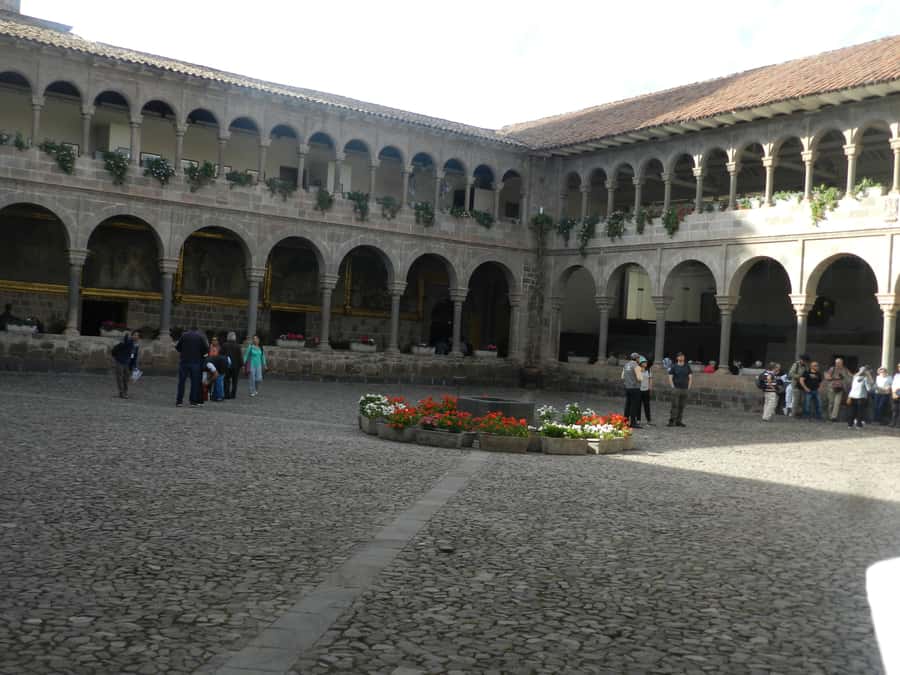
About 7 kilometers from the city center, Puca Pucara includes halls, inner plazas, aqueducts, watchtowers, and paths. It is associated with military use and food storage.
This stop adds a practical side to the Inca story. Instead of focusing only on temples or ceremonial spaces, the guide explains how a site like this may have supported movement, defense, and supplies. The watchtowers and paths also help you see why the location mattered.
You will likely appreciate Puca Pucara most if you listen closely to the explanation, since the site is less immediately dramatic than Sacsayhuaman. The guide’s brief overview gives the place purpose, then you have time to inspect it on your own.
Again, plan for an introduction rather than a full archaeological study. The tour’s strength is coverage, not long stays.
Tambomachay ends the ruins with fresh water
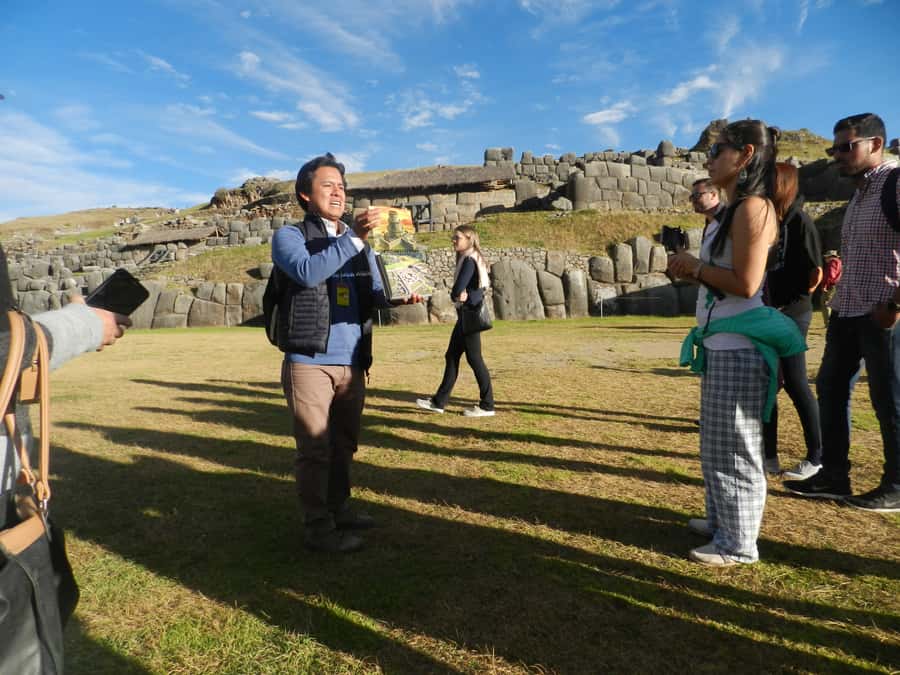
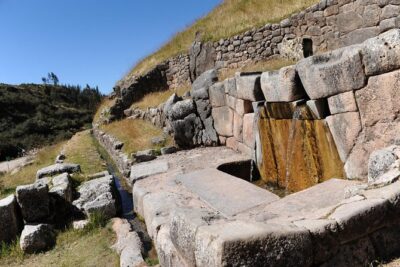
The final archaeological stop is Tambomachay, known for its fresh water spring. Its water channels and stonework give the site a different character from the military complexes.
This is a calmer finish to the ruins portion. After several fortified or ceremonial sites, Tambomachay highlights water and the careful control of natural resources. Your guide explains the site, then the group returns to the vehicle for the final stop.
Bring a light layer even if the afternoon starts warm. The tour takes place at altitude, the route is outdoors, and the weather can shift. The activity runs rain or shine, so a waterproof layer can be useful during wet weather.
The textile center adds a modern shopping stop
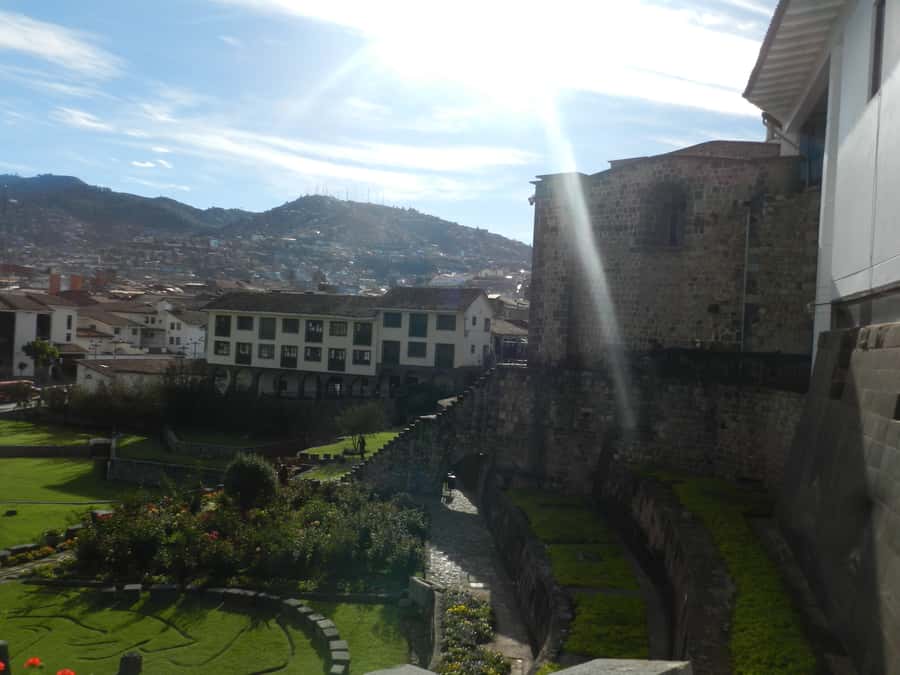
The tour ends at a craft center, where a local guide explains ancient Inca craft traditions and shows you how to identify traditional garments made from vicuña wool. The focus is not just on buying something. You are given practical clues for telling genuine material from cheaper imitations, including garments labeled as alpaca.
This stop can be useful if you plan to shop for Andean textiles during your stay. It also connects the archaeological sites with living craft traditions, rather than treating Inca culture as something locked in the past.
You should know that craft-center visits can feel commercial. One past departure also included sales presentations and short sellers boarding the vehicle, including a person offering anise and another selling a book. Some passengers enjoyed the local alcohol sample, while others found the sales element distracting.
If you dislike shopping stops, treat this as part of the price of a broad, low-cost route. If you are interested in textiles, it may be one of the more practical parts of the afternoon.
What the $18 price really covers
At $18 per person, the tour is inexpensive for a seven-hour outing with hotel pickup, transport, and an English-speaking guide. But the advertised price does not cover the three main admissions.
You need to add:
- 25 soles for the Cathedral of Cusco
- 15 soles for Qoricancha
- 70 soles for the tourist ticket
That is 110 soles in additional required costs. The tourist ticket covers access associated with the archaeological sites, while the cathedral and Qoricancha charge separately. Pay these fees in local currency and carry cash.
The real value is the transport and organization. Booking separate taxis to four sites would take planning, and you would still need historical context. Here, you get a single afternoon route, a guide, and a vehicle that connects the city center with the sites outside town.
The compromise is time. You are paying for reach and convenience, not a slow visit. I would call it good value for a first day in Cusco, especially if you want to learn which sites deserve a longer return visit.
Timing, comfort, and the pace of the day
The tour starts at about 1:00 PM and returns near Santa Catalina Street, close to the main square, at approximately 7:30 PM. That timing leaves your morning open for rest, breakfast, or another short activity.
A seven-hour tour can be tiring at Cusco’s elevation, even though much of the route uses a vehicle. Drink water, eat before pickup, and use sunscreen. The coach provides comfort between stops, but you will still walk outdoors at each archaeological site.
The group is limited to 12 people according to the activity details. That should be manageable, but the day includes several meeting points and transfers. Stay close to the guide and listen for instructions after each visit.
Free cancellation is available up to 24 hours before departure, and you can reserve now and pay later. Those terms help if your Cusco plans may shift, but they do not change the fixed admission costs once you decide to go.
Who should book this Cusco tour
I would choose this tour if you want a strong first look at Cusco and its surrounding ruins without arranging several separate visits. It suits you especially well if you have one open afternoon, prefer organized transport, and want English explanations at each stop.
It is also a good fit for visitors who value breadth. In one outing, you see colonial religious art, an Inca sun temple, a major stone complex, a ceremonial site, a military and storage complex, waterworks, and traditional textiles.
I would hesitate if you want long photography stops, detailed archaeology, or a quiet experience with no commercial presentations. The route is full, and the craft center and occasional onboard sales may not suit everyone. People using wheelchairs or those with mobility impairments should choose a different activity.
Should you book it?
Book this tour if your priority is seeing the main Cusco sights efficiently and cheaply. The guide’s explanations have been praised as clear and useful, and the route covers an impressive amount of ground in one day.
Skip it if you can spend several days visiting the ruins at a slower pace. The best way to think of this outing is as a well-packed introduction. It shows you what matters, gives you the basic story, and helps you decide where to return for more time.
FAQ
What time does the tour begin?
Pickup begins at approximately 1:00 PM from hotels in central Cusco.
Where does the tour end?
The coach returns at about 7:30 PM to Santa Catalina Street, near Cusco’s main square.
Is hotel pickup included?
Yes. Pickup is included for hotels in the city center. If your hotel is outside the center, pickup is arranged at the Inka Ahy statue in the main square.
Which sites are included?
The route includes the Cathedral of Cusco, Qoricancha Museum, Sacsayhuaman, Qenqo, Puca Pucara, Tambomachay, and a craft center.
Are entrance fees included?
No. The cathedral costs 25 soles, Qoricancha costs 15 soles, and the tourist ticket costs 70 soles. These fees should be paid in local currency.
What language is the tour offered in?
The stated tour language is English, with a live English-speaking guide.
How large is the group?
The activity is listed as a small group limited to 12 participants.
Is the tour suitable for wheelchair users?
No. The activity is not suitable for wheelchair users or people with mobility impairments.
More Half-Day in Cusco
- Cusco: City Tour | Half-Day Tour to 4 Archaeological Sites
★ 4.6 · 206 reviews - Cusco: Half-Day City Tour
★ 4.2 · 129 reviews - From Cusco: Moray, Maras Salt Mines & Chinchero Weavers Half-Day
★ 5.0 · 126 reviews - Cusco: Half-Day Horseback Riding at Devil’s Balcony
★ 4.9 · 89 reviews
Just added around Cusco
- Zipline over the Sacred Valley Trip★ 5.0 · 11 reviews
- Valle Sur Cusco | half day★ 4.3 · 3 reviews
- Visit Pisac from Cusco: Private Transport★ 4.6 · 9 reviews
- Transfer from Cusco to Ollantaytambo★ 5.0 · 30 reviews
- Exclusive Huayna Picchu Tour in 1 Day from Cusco★ 5.0 · 31 reviews
- Trek to Humantay Lake from Cusco★ 4.9 · 8 reviews
- Private Tour Sacred Valley, Chinchero, Maras Moray, Ollantaytambo★ 5.0 · 29 reviews
- 5 Day – Salkantay trek to Machu Picchu – Group Service★ 4.5 · 27 reviews
Cusco City Tours & Inca Ruins, compared.
Half-Day City Tour with Sacsayhuaman and Q’enco
Read our review →
City Tour Cusco Qoricancha Sacsayhuaman y Tambomachay
Read our review →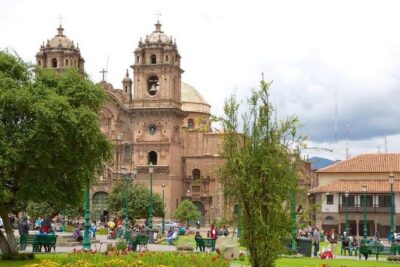
City Tour | Half-Day Tour to 4 Archaeological Sites
Read our review →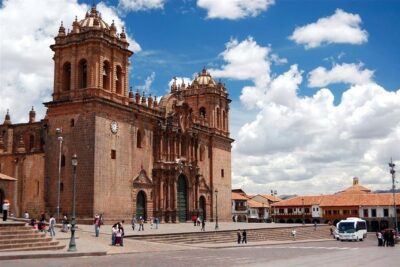
City Tour in Cusco & visit Museum South American Camelid Private.
Read our review →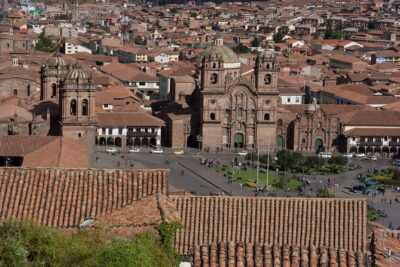
Cusco City Sightseeing, San Pedro Market, Cathedral and Qorikancha Temple
Read our review →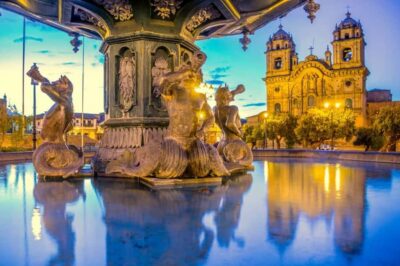
Cusco City Sightseeing and Sacsayhuaman Archeological Park Tour
Read our review →Browse the lists this tour appears in