
Reviewed · CUSCO CITY TOURS & INCA RUINS
Cusco: Historical Guided City Tour with 4 Inca Ruins
Cusco’s best first look comes from its hilltop ruins, and this half-day circuit gets you to four major Inca sites without making you find taxis or piece together bus routes. You’ll see the giant stones of Sacsayhuaman, ritual spaces at Qenqo, the watchpoint of Puka Pukara, and the water fountains at Tambomachay.
I like the way the tour combines those outlying ruins with Qorikancha, the Inca Temple of the Sun in central Cusco. I also like the guide-led format: past departures have featured Luis, Alfredo, Hyame, and Romulo, with clear explanations in English and Spanish, plus time for questions and photos.
The main catch is cost clarity. The $23 booking price does not include the Cusco Tourist Card, Qorikancha admission, or Cathedral admission, so your real spend will be higher if you enter everything. The six-hour schedule is also active at high altitude, even though transport covers the longer gaps.
Key points before you book
- Four Inca ruins in one route: Visit Sacsayhuaman, Qenqo, Puka Pukara, and Tambomachay by tourist vehicle.
- Qorikancha adds a city-center highlight: See the most important Inca religious site in Cusco before heading uphill.
- Morning and afternoon choices: Morning departures finish near 2:30 p.m.; the afternoon option ends around 6:00 to 6:30 p.m.
- Guides are the strength: English and Spanish commentary covers history, archaeology, culture, myths, and practical context.
- Budget for entrance fees: The $23 price excludes the Tourist Card, Qorikancha ticket, and optional Cathedral ticket.
- Best for a first day in Cusco: You get a broad overview without walking between every site, a useful help while adjusting to altitude.
Why this six-hour Cusco route works
Cusco’s archaeological sites are spread across the city and surrounding hills. You can walk to some of them, but reaching all four ruins on foot would take time and energy that you may prefer to save for Machu Picchu, the Inca Trail, or a slower look at Cusco’s churches and markets.
This tour uses transportation for the route and gives you a guide at each main stop. That matters because the stones alone do not explain the purpose of each place. A good guide can connect military planning, religion, water, ceremony, and control of movement across the Inca capital.
The format is especially useful at the start of a Peru trip. You get the broad picture first, then can return to the places that interest you most. Guides on past departures have included Luis, Alfredo, Hyame, and Romulo. The strongest reports describe clear English, detailed explanations, useful comparisons between documented facts and Inca myths, and extra pictures to help explain what is no longer visible.
You should still set realistic expectations. This is a group sightseeing tour, not a private archaeological study. Time at each site can feel short if you want long photo sessions, and the schedule may move at the pace of the group.
More City and Ruins Half-Days in Cusco:
- Cusco: Half-Day City Tour with Sacsayhuaman and Q’enco
★ 4.6 · 1,129 reviews - City Tour Cusco Qoricancha Sacsayhuaman y Tambomachay
★ 4.7 · 617 reviews - Open Bus Cusco City Tour
★ 4.5 · 219 reviews
Qorikancha, where Inca religion met Spanish colonial power
The usual morning route begins at Qorikancha around 8:55 a.m. Another morning option collects you from a nearby hotel between about 8:35 and 9:00 a.m. The afternoon route begins at the entrance to the Cathedral around noon and includes the Cathedral before Qorikancha.
Qorikancha was the most important Inca religious construction in Cusco, dedicated to the Sun. The site is valuable because it shows the meeting of two eras in one place: Inca foundations and Spanish colonial construction above them.
Allow about an hour here on the morning itinerary. Your guide explains the site before the group moves to the vehicle for the ruins outside the historic center. The visit gives you useful context for the later stops, especially the role of religion, ceremony, and royal power in the Inca state.
Qorikancha admission is not included. The listed fee is 15 soles. You should also bring your passport or ID, since access to Inca sites requires identification for the Cusco Tourist Card.
Sacsayhuaman and the mystery of the huge stones
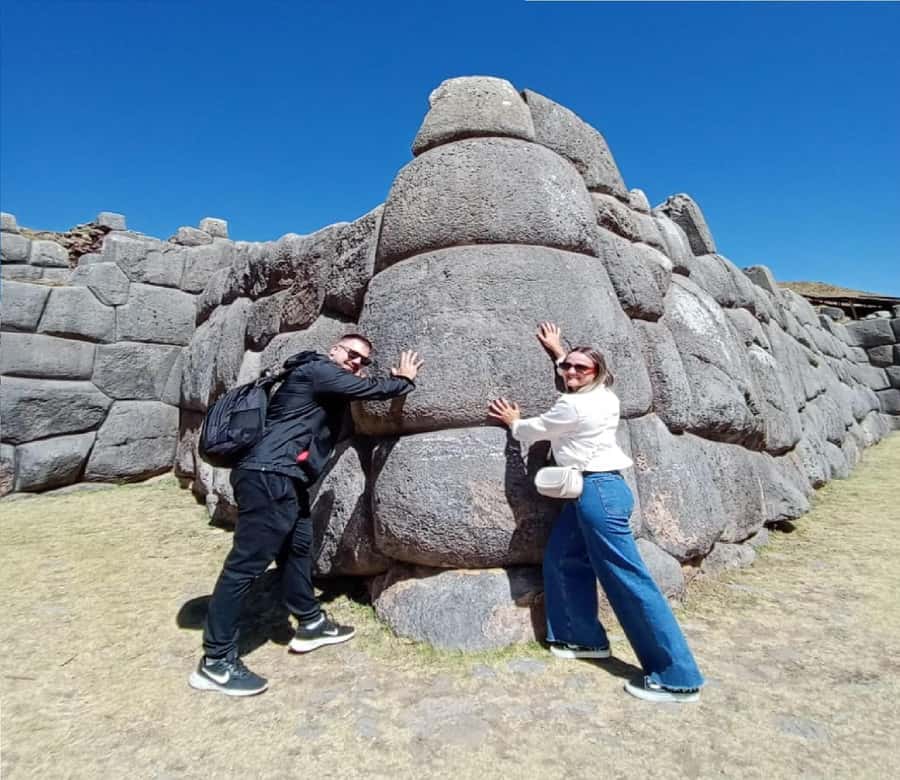
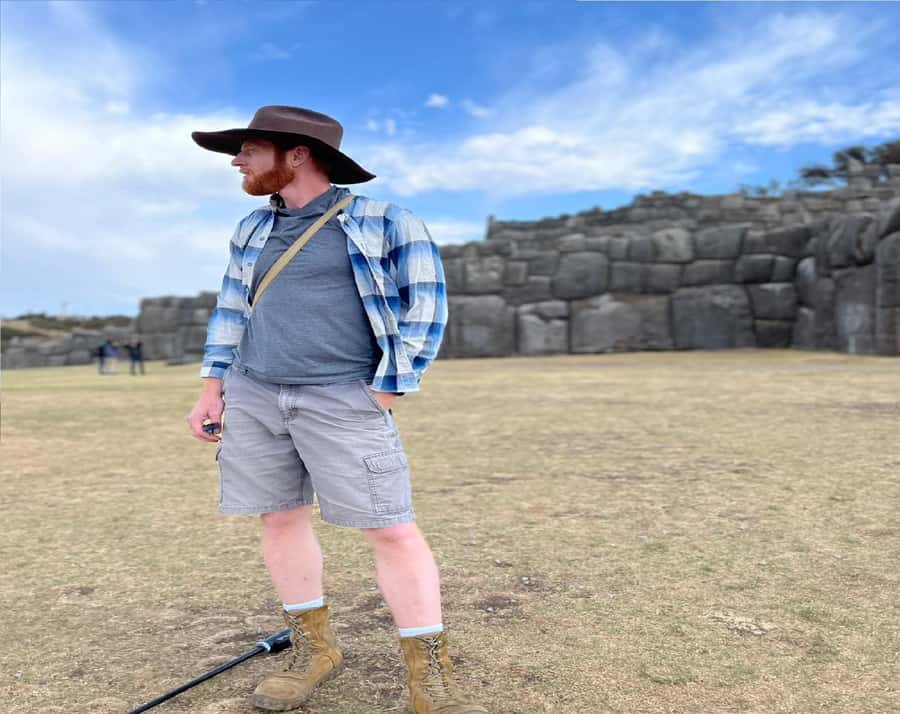
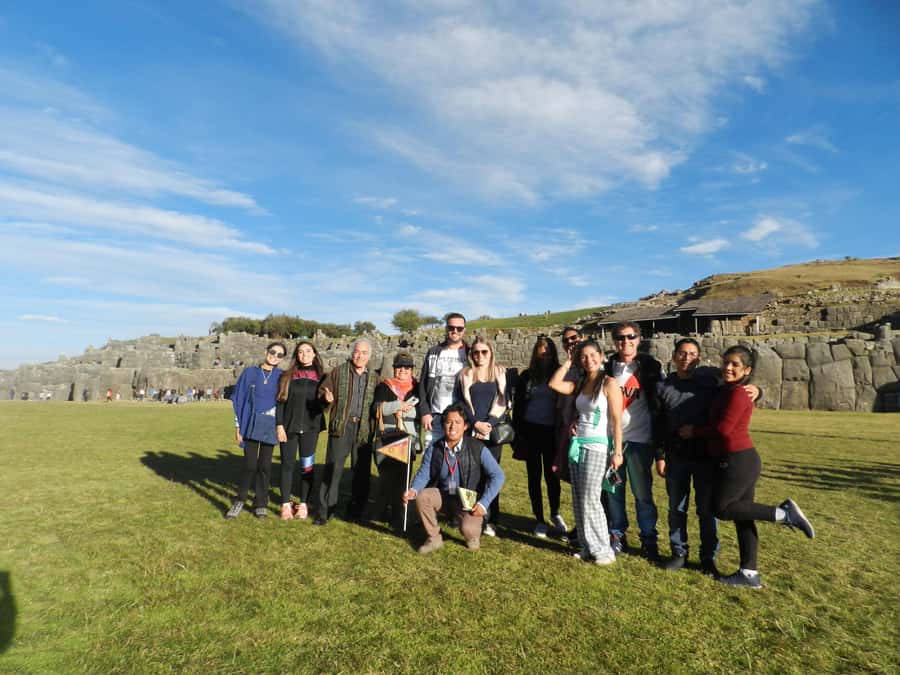
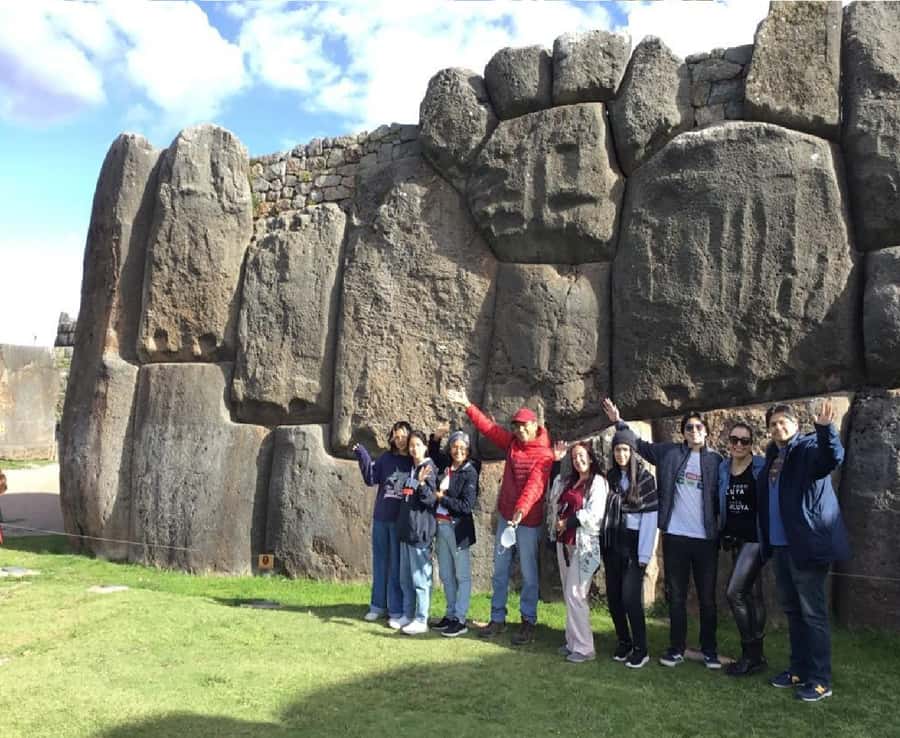
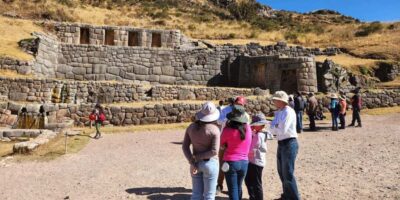
Sacsayhuaman is the dramatic stop. It is described as the Puma Head, and its massive walls form one of the most striking sights around Cusco. Some blocks are four to six meters high, with individual stones reported to weigh more than 100 tons.
A guide makes a real difference here. Without explanation, you see enormous fitted stones and broad terraces. With context, you can think about construction, defense, engineering, ceremony, and the site’s position above Cusco.
The route allows about an hour and a half for a guided visit. You will have room for photographs, though the exact pace depends on the group and the guide’s presentation. The hilltop setting also brings wide views over Cusco and the surrounding Andean terrain.
Sacsayhuaman is included in all tour options. The archaeological entrance fee is not. The listed cost for the archaeological zones is 70 soles, purchased at Sacsayhuaman, and access requires the Cusco Tourist Card. This is the largest extra cost to plan for, so the $23 headline price should not be treated as the full admission total.
The altitude is worth respecting here. Wear shoes with a good grip, carry water, and do not rush between viewpoints. Transportation helps, but you still walk around uneven stone surfaces.
Qenqo, a ceremonial site with a darker side
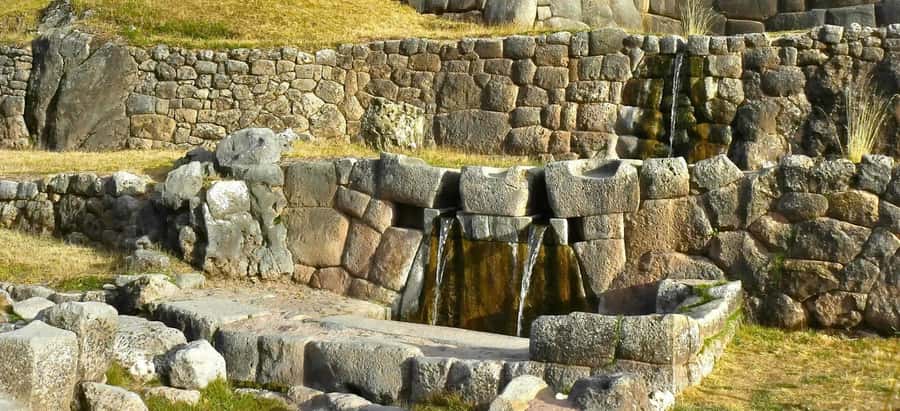
Qenqo is the next major stop. It was a ceremonial center, and the tour describes it as a place linked to sacrifices to the Sun God. Another description identifies it as an ancient mummification site. These details give you a sense of why a guide matters: the site’s meaning comes from ritual use, not just its carved rock and passages.
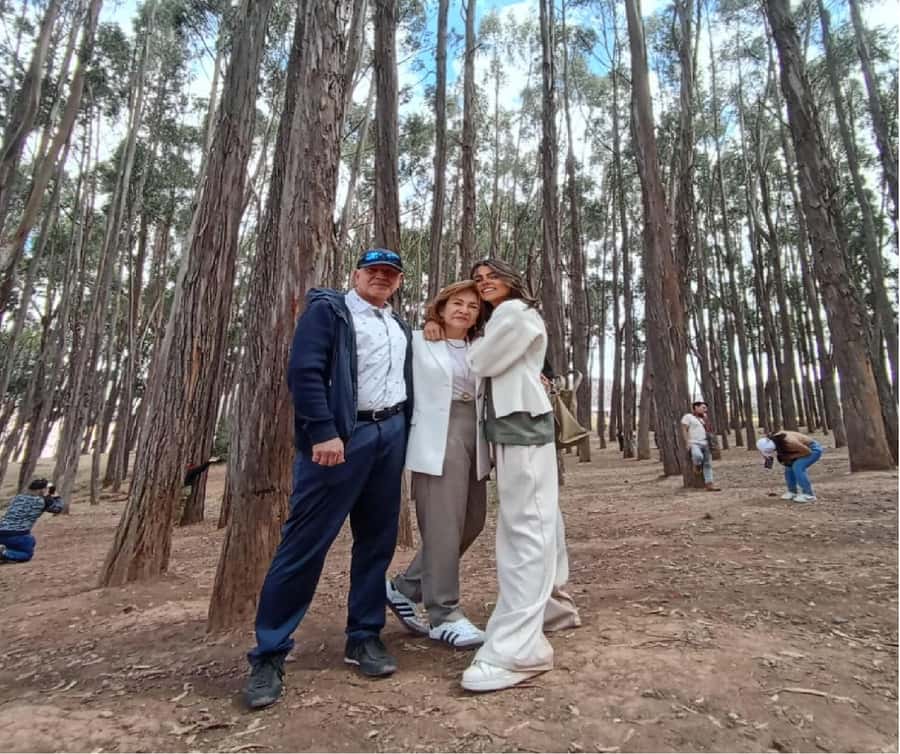
The planned visit lasts about an hour and a half. You may enter carved areas, listen to the explanation, and then have time for photographs. The route also includes the Qenqo eucalyptus forest, a pleasant change after the stone ruins and a designated photo stop on some departures.
Qenqo can feel more intimate than Sacsayhuaman. There are fewer grand walls to photograph, but the carved rock and enclosed ceremonial spaces invite closer attention. I would listen carefully here, since the guide can separate recorded archaeological information from the stories that have grown around the site.
As with Sacsayhuaman, Qenqo requires the archaeological admission included in the Tourist Card. Bring cash for the ticket arrangements and other small purchases, since cash is specifically recommended for the tour.
A few more Cusco days worth weighing up
- Machu Picchu Private Archaeological and Historical Guided Tour
★ 5.0 · 86 reviews - 6-Day Cultural Tour to Machu Picchu
★ 5.0 · 76 reviews - Cusco: Historic Walking Tour with Pisco Sour and Music Show
★ 4.6 · 65 reviews - Pisco Sour Secrets: Hands-On Mixology in Historic Cusco
★ 4.5 · 50 reviews
Puka Pukara, a watchpoint above the road
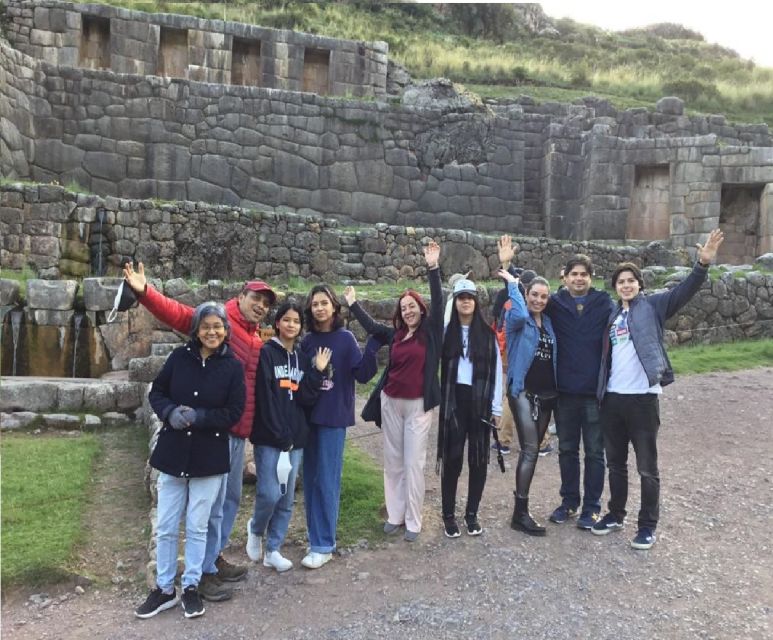
Puka Pukara is often translated as Red Fortress, a name linked to the color of its stone. It functioned as a surveillance and control point above Cusco, helping monitor access to the Inca city.
The site is less monumental than Sacsayhuaman, but its location gives it a clear purpose. You can look across the Andean terrain and understand why a high position mattered. This is one of the stops where the setting explains part of the architecture.
The tour allows about an hour and a half here, although the actual time can vary with the group. You will hear about the site’s role and have a chance to take photographs. It is also a useful pause between the larger stone complex and the final water site.
Bring a light rain layer even if the morning begins clear. The information specifically recommends rain gear, sunscreen, water, and comfortable shoes. Cusco weather can change quickly, and the route includes exposed outdoor stops.
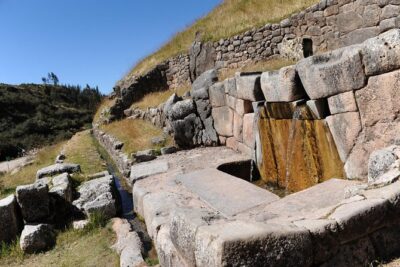
Tambomachay and the Inca water system
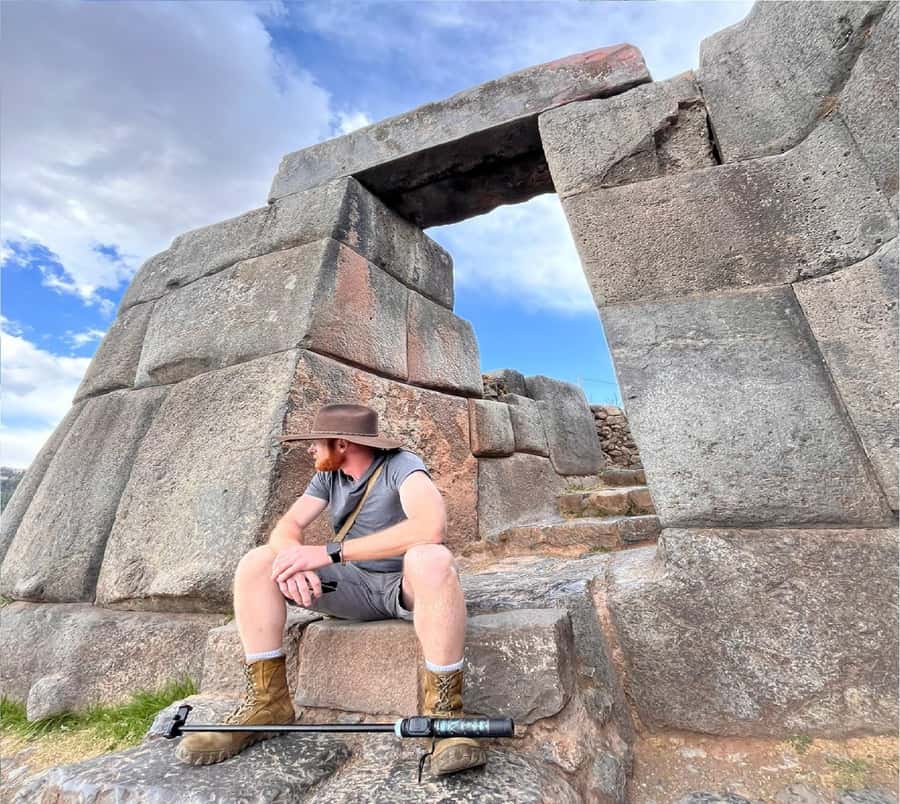
Tambomachay is known as the Temple of Water. Its fountains are the main attraction, and the site gives the tour a different finish from the military scale of Sacsayhuaman and the ritual focus of Qenqo.
Here, the guide explains the water features and their importance. The site is smaller, but it is not a throwaway stop. It shows how the Incas gave careful attention to water, ceremony, and the placement of important places outside the central city.
The official timing allows about an hour and a half, though again, the full schedule includes transport and group movement. You will want to keep your camera ready, but do not forget to watch your footing around the stone surfaces.
After Tambomachay, the vehicle returns you to central Cusco. The morning route normally ends close to Plaza de Armas on Calle Plateros at about 2:30 p.m. The afternoon route finishes near the main square around 6:00 to 6:30 p.m.
Choosing the morning or afternoon departure
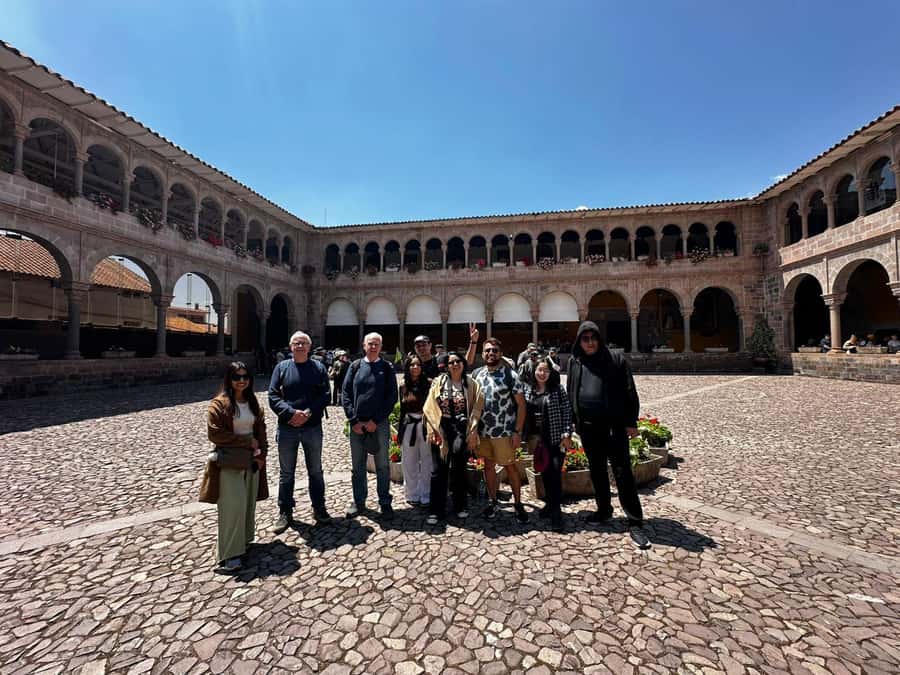
You have three general formats, but the details matter.
The first morning option begins at Qorikancha around 8:55 a.m. You visit the Temple of the Sun, then continue to the four ruins. This is the cleanest choice if you want the full Inca-focused route and do not need the Cathedral.
The second morning option offers hotel pickup from selected hotels close to Plaza de Armas. It includes Qorikancha, Sacsayhuaman, Qenqo, the eucalyptus forest, Puka Pukara, and Tambomachay. It is practical if you prefer not to make your own way to the starting point.
The afternoon option meets at the Cathedral entrance between 11:50 a.m. and noon. It includes a Cathedral visit when availability permits, then Qorikancha and the four archaeological sites. This schedule can suit you if you want a slower morning or have another morning activity planned.
The Cathedral is an optional complication. Admission costs 50 soles, and availability must be requested. If seeing the interior is important to you, confirm that it is available rather than assuming it is guaranteed.
What is included, and what you still pay
At $23 per person, the tour offers good transport value for a six-hour route. A vehicle takes you between central Cusco and the outlying ruins, while an accredited guide handles the explanations. Hotel pickup is included on the applicable morning options for hotels close to the main square.
Included services are:
- Tourist transportation
- An accredited professional guide
- English or Spanish guiding
- Hotel pickup on the designated morning options
- Guided visits to the main sites included in your chosen option
- Ongoing assistance during the tour
- The eucalyptus forest on the stated options
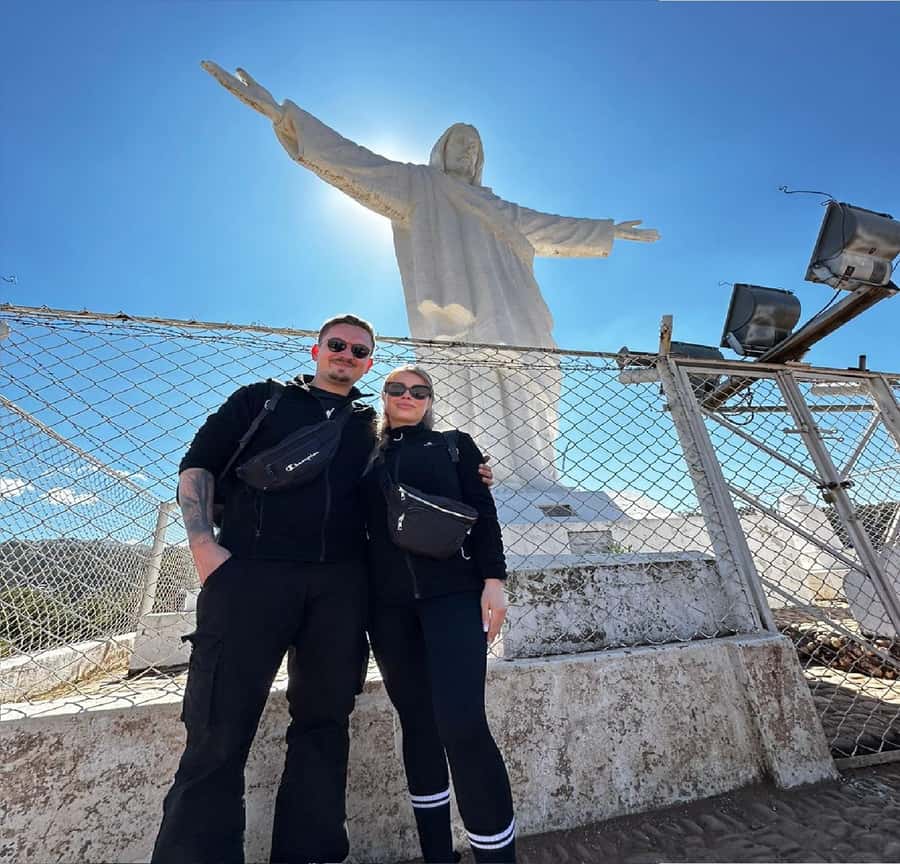
- Cristo Blanco viewpoint and special photography experiences on the special tour option
You need to budget separately for the main entrances. Qorikancha is 15 soles. The archaeological zones cost 70 soles, with the ticket available at Sacsayhuaman. Cathedral entry is 50 soles if that visit is available and you choose to enter.
The Tourist Card is required for the Inca sites. It is available only in person and requires your passport. Children under nine can receive the card free with a passport. Because the card and entrance fees are separate, calculate the total before booking if you are traveling on a strict budget.
How difficult is the tour?
This is not a hiking excursion, but it is not a fully seated sightseeing ride either. You will walk around ruins, use uneven surfaces, and spend time outdoors at high elevation. Comfortable shoes, water, sunscreen, and rain protection are sensible basics.
The vehicle reduces the long uphill walking between sites. That makes the route useful if you are still adjusting to Cusco or have limited time before a trek. You should still move slowly, especially at Sacsayhuaman and the other exposed sites.
The experience is not suitable for people over 95 according to the stated restrictions. No bicycle use is allowed, and alcohol or drugs are prohibited, including alcoholic drinks in the vehicle.
Guide quality and language
The guide is the part of this tour that can turn a checklist into a useful introduction to Cusco. English and Spanish are available. Strong past guide performances have included Luis explaining each site in detail and checking that the group understood, Alfredo moving between English and Spanish, and Hyame answering questions clearly for someone with only a few hours in the city.
You should ask questions. The route covers myths, archaeology, religion, military use, and daily life, so there is plenty to discuss. At Qenqo in particular, ask the guide which points are supported by archaeological evidence and which belong to traditional stories.
The group format means you may not receive a private lecture at every stone. Still, the combination of transport and an accredited guide is the main reason to choose this tour over arranging separate taxis.
Who should book this Cusco city tour?
I would recommend it to a first-time visitor who wants the main Inca sites in one organized outing. It is also a good fit if you have only a short stay in Cusco, since you can see places that are too far apart for a simple walking tour.
It suits you if you want:
- A practical introduction before Machu Picchu
- Transport between several scattered ruins
- English or Spanish explanations
- A morning or afternoon schedule
- Time for photos without planning every transfer yourself
I would hesitate if you want a private pace, long photography sessions, or a detailed specialist tour at each site. The extra entrance fees also mean it is not a $23 all-in experience.
Cancellation is free up to 24 hours before departure, and you can reserve while paying later. Pickup is limited to listed hotels close to the main square, so check your accommodation before relying on hotel collection.
Should you book it?
Book this tour if you want an efficient first look at Cusco’s major Inca sites, especially Sacsayhuaman and Qorikancha. The guide, transport, and broad route offer solid value for the base price, and the morning option leaves your afternoon free for lunch, museums, or a slower walk through the historic center.
Skip it if you already know these sites well or want to explore independently. Before you commit, add 70 soles for the archaeological sites, 15 soles for Qorikancha, and 50 soles for the Cathedral if available. With that honest total in mind, this is a sensible orientation tour, not a bargain admission package.
FAQ
How long does the Cusco city tour last?
The tour lasts about six hours. Morning departures finish near Plaza de Armas at approximately 2:30 p.m., while the afternoon option ends around 6:00 to 6:30 p.m.
Which Inca sites are included?
The route includes Sacsayhuaman, Qenqo, Puka Pukara, and Tambomachay. Qorikancha is also included in the morning options and the stated afternoon route.
Is hotel pickup included?
Hotel pickup is included with the applicable morning options from hotels close to Cusco’s main square. You should wait in your hotel lobby. The afternoon option uses a meeting point at the Cathedral entrance.
Is the Cathedral of Cusco included?
The afternoon option includes a Cathedral visit when availability permits, and another stated option includes it as well. Cathedral admission is not included and costs 50 soles.
Are entrance fees included in the $23 price?
No. Qorikancha costs 15 soles, and the archaeological zones cost 70 soles. Cathedral admission, when available, costs 50 soles. The archaeological sites also require the Cusco Tourist Card.
What languages are available?
The tour is offered in English and Spanish with a live guide.
What should I bring?
Bring your passport or identity card, comfortable shoes, a camera, sunscreen, water, rain gear, and cash. A passport is required for the Cusco Tourist Card.
Just added around Cusco
- Zipline over the Sacred Valley Trip★ 5.0 · 11 reviews
- Valle Sur Cusco | half day★ 4.3 · 3 reviews
- Visit Pisac from Cusco: Private Transport★ 4.6 · 9 reviews
- Transfer from Cusco to Ollantaytambo★ 5.0 · 30 reviews
- Exclusive Huayna Picchu Tour in 1 Day from Cusco★ 5.0 · 31 reviews
- Trek to Humantay Lake from Cusco★ 4.9 · 8 reviews
- Private Tour Sacred Valley, Chinchero, Maras Moray, Ollantaytambo★ 5.0 · 29 reviews
- 5 Day – Salkantay trek to Machu Picchu – Group Service★ 4.5 · 27 reviews
Cusco City Tours & Inca Ruins, compared.
Half-Day City Tour with Sacsayhuaman and Q’enco
Read our review →
City Tour Cusco Qoricancha Sacsayhuaman y Tambomachay
Read our review →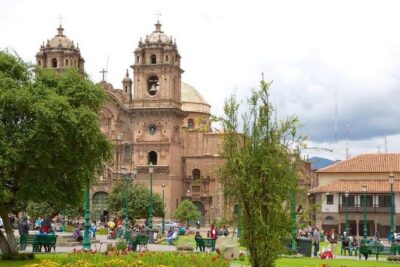
City Tour | Half-Day Tour to 4 Archaeological Sites
Read our review →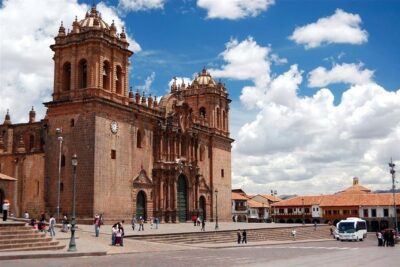
City Tour in Cusco & visit Museum South American Camelid Private.
Read our review →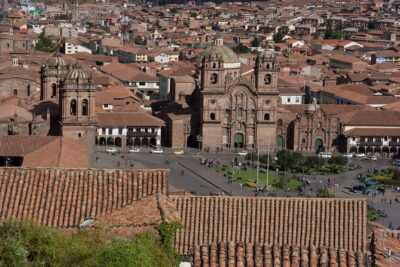
Cusco City Sightseeing, San Pedro Market, Cathedral and Qorikancha Temple
Read our review →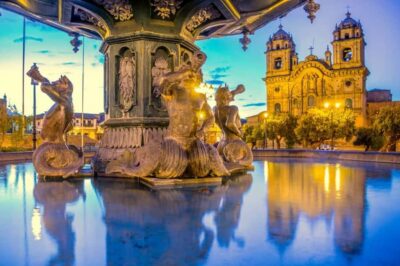
Cusco City Sightseeing and Sacsayhuaman Archeological Park Tour
Read our review →Browse the lists this tour appears in