
Reviewed · CITY TOURS
Cusco: 6-Hour City Highlights Tour
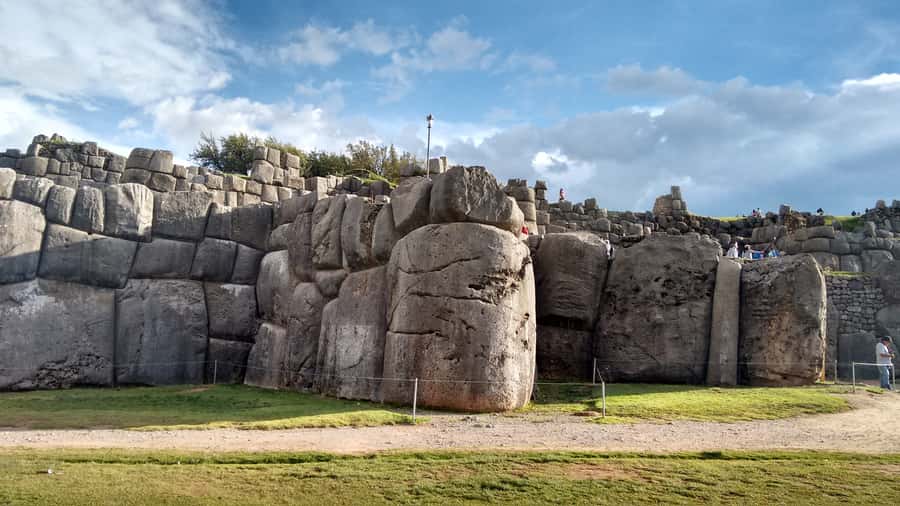
Cusco’s great strength is its mix of Inca stonework and Spanish colonial buildings, and this six-hour outing gives you both sides in one sweep. You begin in town with Qoricancha, then head uphill and outward to four major Inca sites, including the massive walls of Sacsayhuaman. I like the efficient route and the chance to see places that are spread well beyond the central streets.
I also like the low starting price of $20 and the choice between a shared bus and a private group. The catch is that the required tourist ticket costs another S/70 per person, and the quality of the guiding and language match needs attention. One English-speaking departure was badly mishandled, so confirm the language and pickup details before you set aside your afternoon.
Key points to know
- Qoricancha begins the story: See the Inca Empire’s most famous temple and learn how Spanish and Inca design meet in central Cusco.
- Four major sites outside town: Sacsayhuaman, Quenqo, Pucapucara, and Tambomachay make this more than a walking tour.
- The S/70 ticket is extra: Bring cash, since the tourist ticket is not part of the advertised price.
- English and Spanish are offered: Ask clearly for your preferred language, especially if you book a shared group.
- The tour ends near Plaza Regocijo: Expect drop-off in central Cusco at about 7:00 PM rather than back at your accommodation.
- Guide quality matters: German was praised for his explanations, while another departure suffered from a late pickup and poor language coordination.
Why this route works for a first look at Cusco
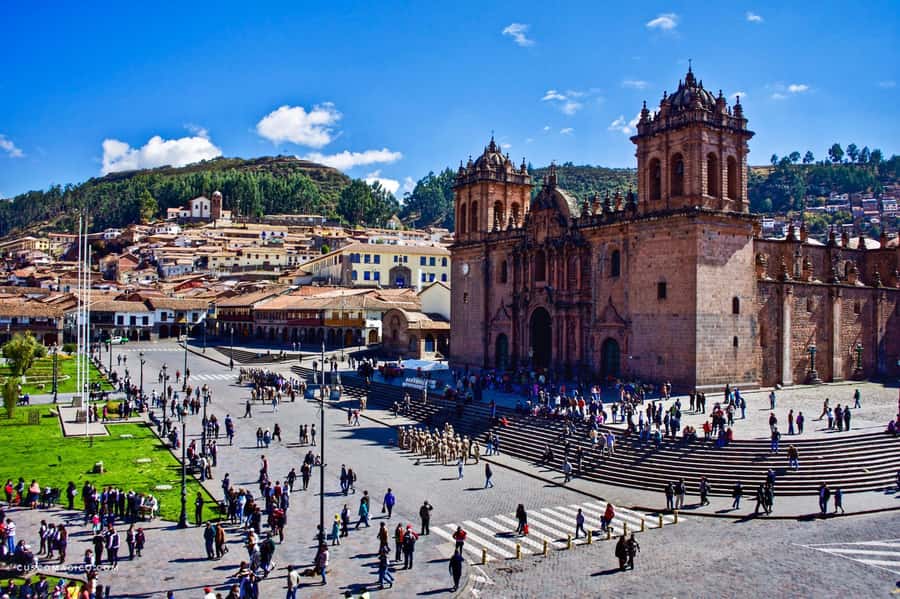
Cusco can feel confusing at first. In a few blocks, you may see precisely cut Inca stones, a Spanish church, a narrow colonial lane, and a modern shop selling trekking gear. This tour gives you a useful framework for understanding that collision of cultures before you set off on your own.
The route combines a central city stop with four sites outside the center. That is important because Sacsayhuaman, Quenqo, Pucapucara, and Tambomachay are not all practical to connect on foot in one afternoon, particularly if you are still adjusting to Cusco’s altitude and steep streets.
You should expect a sightseeing day built around transportation and short visits, not a slow archaeological study. A guide explains the purpose and history of each place, then you have time to look around, take photographs, and move on. The exact pace depends on the group and the guide.
Pickup from your Cusco accommodation is included. The tour lasts about five to six hours and is scheduled to finish near Plaza Regocijo at roughly 7:00 PM. That central drop-off is handy for dinner or an evening walk, though you should not assume you will be returned to your hotel.
A few more Cusco days worth weighing up
- Cusco: Half-Day City Tour with Sacsayhuaman and Q’enco
★ 4.6 · 1,129 reviews - City Tour Cusco Qoricancha Sacsayhuaman y Tambomachay
★ 4.7 · 617 reviews - Open Bus Cusco City Tour
★ 4.5 · 219 reviews
Qoricancha, where Inca and Spanish Cusco meet
The tour starts at Qoricancha, also called the Temple of the Sun. This was the best-known temple of the Inca Empire, and its importance comes through even if you know only a little about Inca history.
Qoricancha is especially useful as an introduction because it shows how Cusco changed after the Spanish conquest. Inca foundations and construction techniques remain part of the building, while Spanish religious architecture occupies the same site. Your guide can help explain what you are looking at instead of leaving you to see only an attractive old building.
Entrance to Qoricancha is not included. The supplied details do not state the exact entry price, so keep extra money available and check the current charge when booking. The tour price covers the sightseeing service, transport, and guide, not every entrance along the way.
Bring a camera, but give yourself time to look without photographing every stone. The value of Qoricancha is in the contrast between its construction traditions and the later building around it. It is the sort of stop that makes the rest of the afternoon easier to understand.
Cusco Cathedral and the extra entrance cost
The cathedral is one of the city’s major architectural landmarks and forms part of the Cusco city portion of the experience. Its exterior helps explain the Spanish character of the main square and central streets.
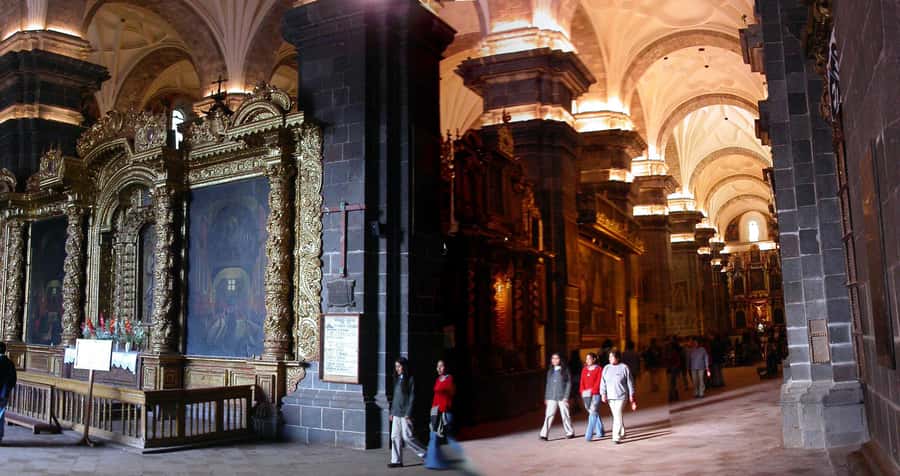
Cathedral entry is not included. That matters because the $20 headline price is not the final cost if you want to enter both major religious sites. One person who joined the tour found the cathedral less compelling than the Inca sites and did not feel the entrance fee was worthwhile, while also noting that visitors with a strong interest in religious art may feel differently.
That is a fair way to think about this stop. If your priority is colonial painting, church interiors, and religious architecture, the cathedral may be a key part of the tour. If you mainly want ancient engineering and outdoor ruins, you may prefer to save your money for other sites.
Since the supplied schedule gives more detail about Qoricancha and the four outer sites than the cathedral visit itself, confirm whether the cathedral entrance is included in the guided route or offered as an optional visit. Either way, do not arrive assuming the admission fee is covered.
Sacsayhuaman, the big archaeological stop
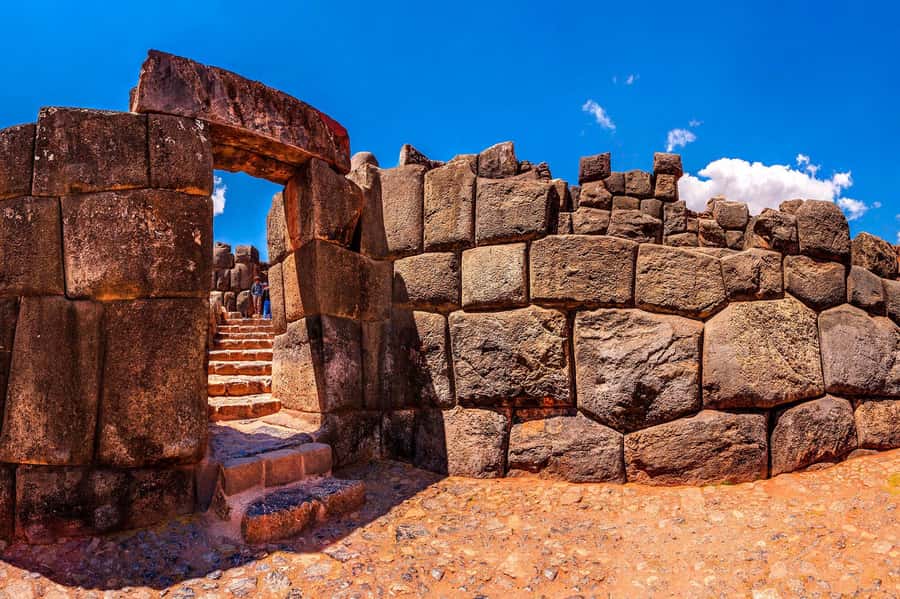
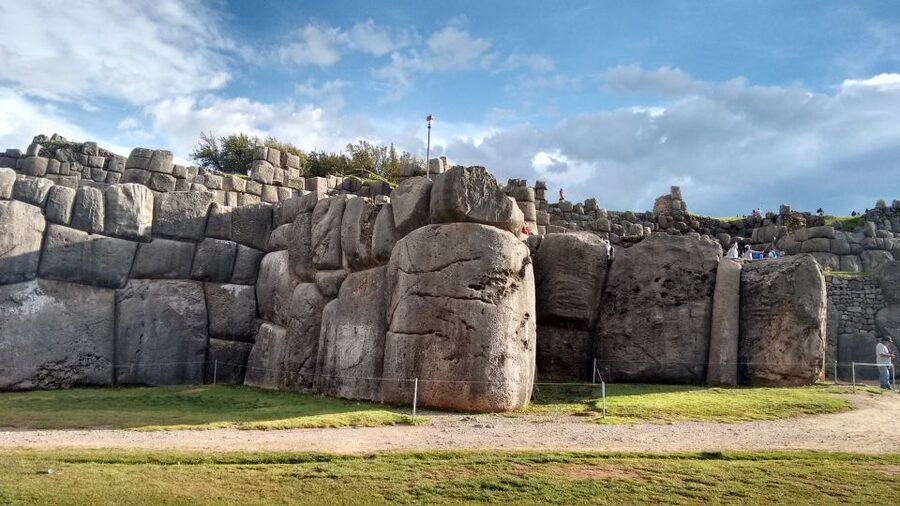
Sacsayhuaman is likely to be the most impressive stop for many people. The site is known for its enormous Inca stonework, and its location above Cusco gives the visit a wider sense of the city and surrounding area.
This is where the transport portion of the tour earns its keep. You leave the tight central streets and reach a place that would take more effort to visit independently, especially if you want to fit several nearby ruins into one afternoon.
Your guide’s explanation can make a major difference here. The stones are visually striking, but the larger questions are what the site was used for, how it related to Cusco, and why the construction required such careful fitting. The provided experience promises history and stories at each ruin, so listen for context rather than simply moving from viewpoint to viewpoint.
The main limitation is time. A six-hour route has several stops, and Sacsayhuaman shares the afternoon with three other archaeological sites. If this is the place you most want to study, a private group may give you more control over the pace, though the information provided does not promise a longer stop.
Same altitude, a completely different day:
- Cusco: Humantay Lake Tour with Breakfast and Buffet Lunch
★ 4.9 · 2,976 reviews - From Cusco: Sacred Valley & Maras Salt Mines Tour with Lunch
★ 4.8 · 2,227 reviews - From Cusco: Moray, Maras Salt Mines & Chinchero Weavers Tour
★ 4.8 · 1,925 reviews - From Cusco: Full-Day Group Tour of Machu Picchu
★ 4.7 · 1,767 reviews
Quenqo and the smaller sacred sites
Quenqo is included after Sacsayhuaman as part of the cluster of Inca sites outside Cusco. It is a smaller and more contained visit than the fortress, which makes it a useful contrast.
You can expect the guide to explain the site’s role and the stories attached to its carved stone and ceremonial spaces. The details provided do not specify how long you remain there or which sections are visited, so treat it as a short archaeological stop within a larger circuit.
This is one reason the tour works well for someone who wants an overview. You get several different kinds of Inca remains rather than spending the whole afternoon at one location. The tradeoff is that the experience may feel brisk if you prefer long, quiet visits.
Wear comfortable shoes. The practical advice also includes a sun hat and sunglasses, which are sensible for an afternoon moving among exposed outdoor ruins. Keep your camera ready, but avoid bringing a large bag or luggage, since large bags are not allowed.
Pucapucara and Tambomachay complete the circuit
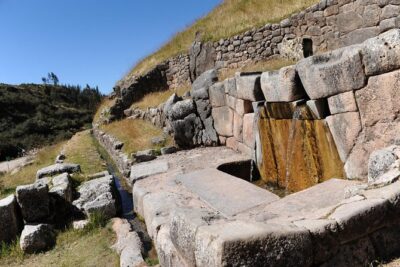
Pucapucara and Tambomachay are the final two named archaeological stops. Seeing them together gives you a better idea of how the sites around Cusco formed a connected network rather than isolated monuments.
Pucapucara is included as an Inca site with its own historical explanation, while Tambomachay is known in the tour description as the Baths of Tambomachay. The names alone do not tell you much, so this is another point where a clear guide matters. Ask questions if the explanation moves too quickly, particularly in a shared group.
By the time you reach these stops, you will already have seen Qoricancha, the cathedral area, Sacsayhuaman, and Quenqo. That makes the last part of the route useful for filling in the wider picture, but it can also feel like a lot of ruins in one day. If your interest is broad rather than highly specialized, the variety is a strength.
The tour finishes around 7:00 PM, with drop-off at Plaza Regocijo in central Cusco. Plan your evening from there. You will have a convenient central location, but the service does not promise a return to your accommodation at the end.
Is the $20 price really good value?
At $20 per person, the base cost is attractive. You receive accommodation pickup, transportation between sites, a five to six-hour sightseeing route, and an English- or Spanish-speaking guide. Hiring transport to reach the outer ruins on your own could be less simple, particularly if you are unfamiliar with Cusco.
The important adjustment is the S/70 tourist ticket. This is an extra charge per person, and you should bring cash. Qoricancha and the cathedral also have separate entrance costs, so your real spending depends on which interiors you choose to enter.
Food and drinks are not included. The information does not specify a meal stop, so eat before departure and carry whatever you need, as long as it is allowed. Pets, smoking, luggage, and large bags are not permitted.
For the lowest possible cost, the shared option may make sense. For a couple, family, or small group that wants more control over timing and language, a private group could offer better practical value. The private price is not given, so compare the final total rather than assuming it will be cheaper than several shared seats.
Shared group or private group?
The shared group is the budget choice and suits you if you want a straightforward introduction to Cusco’s main sites. It also means you accept the group’s pace, the guide’s available attention, and the possibility that explanations need to work for people with different interests.
The private option is worth considering if you want to ask many questions, take longer at Sacsayhuaman, or keep the tour entirely in your chosen language. The details confirm that a private group is available, but they do not state the maximum group size or the private supplement.
Language coordination deserves special care. The advertised guide languages are English and Spanish, and German was praised specifically for clear historical explanations. But one English booking was placed on a late Spanish-speaking departure, and the attempt to translate on the bus did not solve the problem. Ask the provider to confirm the language before the morning of the tour, and keep the confirmation available.
That incident also shows why a private group may be more comfortable for some people. It does not guarantee perfect service, but it reduces the chance that your needs are lost in a large mixed group.
What the day demands from you
This is not a suitable choice for wheelchair users. The route includes archaeological sites and outdoor terrain, and the experience does not offer wheelchair suitability.
You should bring:
- Comfortable shoes
- Sunglasses
- A sun hat
- A camera
- Cash for the S/70 tourist ticket and other entrance fees
Do not bring pets, smoking materials for use during the tour, luggage, or large bags. The sightseeing is spread over several locations, so keeping your belongings light will make transfers easier.
Cusco’s altitude is not addressed in the supplied information, so I would not make medical assumptions about how you will feel. Still, the practical lesson is simple: a five to six-hour route with several stops is easier when you pace yourself and do not treat every site as a race.
Who will get the most from this tour?
I would choose this outing if you have limited time in Cusco and want the main archaeological sites explained in one organized half-day. It is also a good fit if you prefer having transport arranged rather than working out how to reach four ruins outside the center.
You will get the most from it if you enjoy variety. The day moves from colonial and Inca architecture in the city to open archaeological sites beyond it. That broad view is more useful for first-time visitors than a tour that focuses on only one building.
I would be more cautious if you want a slow, highly detailed history lesson or if you dislike group transport. The schedule has many stops, and the quality of the day depends heavily on the guide’s pace and language skills.
The rating for this experience is 3.8 out of 5 from 53 bookings, which fits the mixed picture. The strongest praise goes to the fascinating Inca sites and to German’s historical explanations. The sharpest criticism concerns a missed pickup, a late arrival, the wrong language group, rushed commentary, and poor attention to the group. Those are not minor details, since reliable timing and clear guiding are the service you are paying for.
Should you book the Cusco city highlights tour?
Book it if you want an inexpensive, efficient introduction to Cusco’s major Inca sites and you are willing to confirm the language, budget for the extra tickets, and accept a fairly brisk route. The combination of Qoricancha, Sacsayhuaman, Quenqo, Pucapucara, and Tambomachay gives you strong coverage for one afternoon.
I would choose the private option if the price works for your group, especially if you care about questions, pacing, or English-only commentary. If you choose the shared tour, confirm pickup time and language in writing. With those checks in place, the $20 starting price can be good value. Without them, the low price may not compensate for a late or poorly matched departure.
FAQ
How long does the Cusco city highlights tour last?
The tour lasts approximately five to six hours. It is scheduled to finish at around 7:00 PM.
What sites are included?
The route includes Qoricancha, Cusco Cathedral as a city highlight, Sacsayhuaman, Quenqo, Pucapucara, and the Baths of Tambomachay.
Is the tourist ticket included?
No. The tourist ticket costs an additional S/70 per person. Bring cash for this charge.
Are Qoricancha and Cusco Cathedral entrance fees included?
No. Entrance to Qoricancha and Cusco Cathedral is not included in the tour price.
Is pickup included?
Yes. Pickup from your accommodation in Cusco is included. The tour finishes with drop-off at Plaza Regocijo in central Cusco.
Can I choose an English-speaking guide?
Yes. English- and Spanish-speaking guides are available. Confirm your preferred language before the tour, particularly if you book a shared group.
Is a private tour available?
Yes. A private group option is available. The standard service can also be booked as a shared group.
Just added around Cusco
- Zipline over the Sacred Valley Trip★ 5.0 · 11 reviews
- Valle Sur Cusco | half day★ 4.3 · 3 reviews
- Visit Pisac from Cusco: Private Transport★ 4.6 · 9 reviews
- Trek to Humantay Lake from Cusco★ 4.9 · 8 reviews
- Transfer from Cusco to Ollantaytambo★ 5.0 · 30 reviews
- Exclusive Huayna Picchu Tour in 1 Day from Cusco★ 5.0 · 31 reviews
- Private Tour Sacred Valley, Chinchero, Maras Moray, Ollantaytambo★ 5.0 · 29 reviews
- 5 Day – Salkantay trek to Machu Picchu – Group Service★ 4.5 · 27 reviews
City Tours, compared.
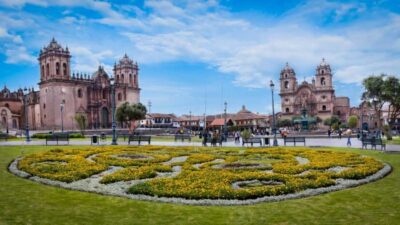
Half-Day City Tour with Sacsayhuaman and Q’enco
Read our review →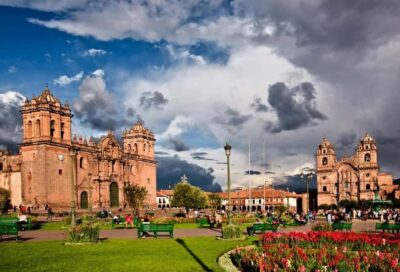
City Tour Cusco Qoricancha Sacsayhuaman y Tambomachay
Read our review →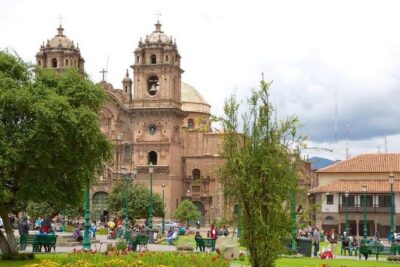
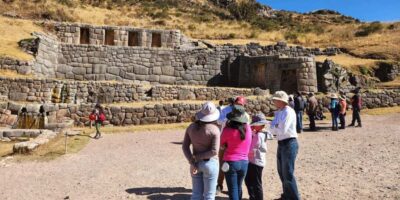
City Tour | Half-Day Tour to 4 Archaeological Sites
Read our review →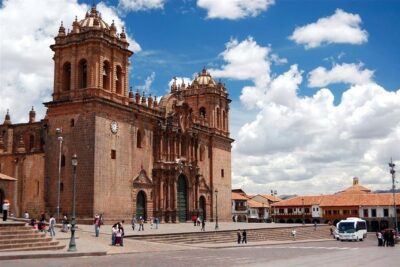
City Tour in Cusco & visit Museum South American Camelid Private.
Read our review →
Cusco City Sightseeing, San Pedro Market, Cathedral and Qorikancha Temple
Read our review →
Cusco City Sightseeing and Sacsayhuaman Archeological Park Tour
Read our review →Browse the lists this tour appears in