
Reviewed · SALKANTAY TREKS TO MACHU PICCHU
From Cusco: Salkantay trek 5 days/4 nights meals included
The big draw here is the dramatic change from high Andes to Amazon-edge jungle in only five days. You start among snowy peaks and thin air, pass through warmer valleys, soak at Santa Teresa, and finish at Machu Picchu by way of the old Inca route.
I like the excellent food setup, including a professional chef and four full meals each day, and I like the small-group limit of 18 people. The main catch is the physical demand: the Salkantay Pass reaches 4,650 meters, and several days involve six to eight hours of walking.
Key points to know before booking
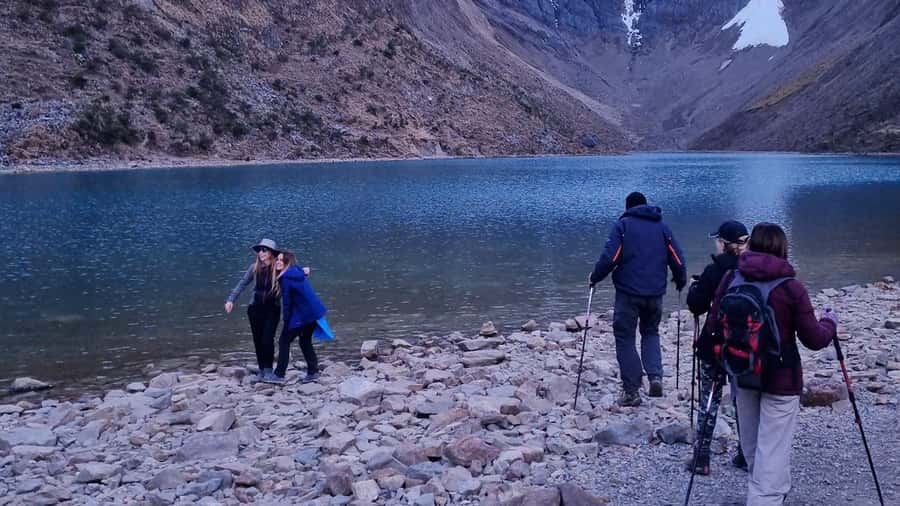
- Humantay Lake comes first: The opening climb takes about two hours, with a two-hour descent afterward.
- Salkantay Pass is the toughest section: You climb for roughly four hours to 4,650 meters, then descend for another four hours.
- The food earns special praise: Vegetarian and vegan meals are available at no extra charge if requested ahead of time.
- Accommodation changes often: You sleep in Mountain Sky cabins or camps during the first three nights, then spend the fourth night in a hotel at Aguas Calientes.
- Machu Picchu entry is included: The guided visit lasts about two and a half hours, but the bus from Aguas Calientes to the citadel costs extra.
- You need good footwear and stamina: One previous participant found the food excellent but felt the route suited only fit walkers with good shoes.
A five-day route from glacial peaks to Machu Picchu
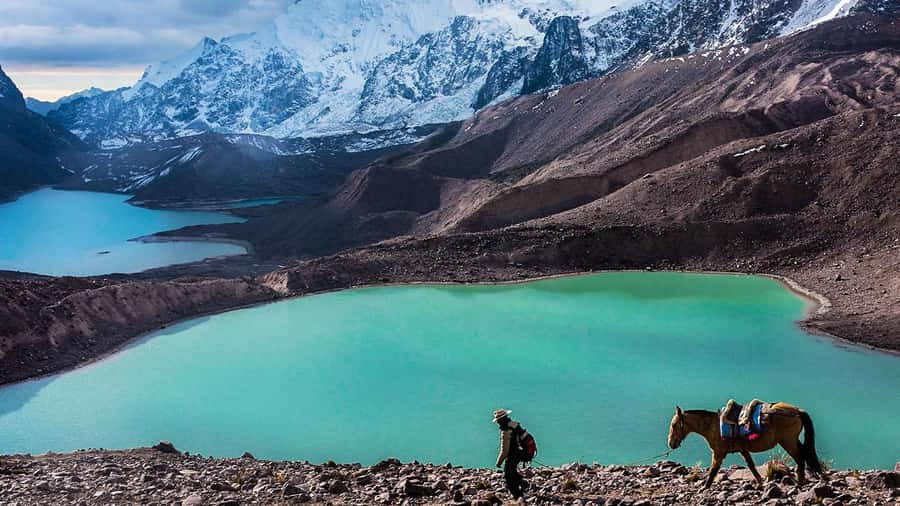
The Salkantay Trek gives you a different approach to Machu Picchu than the classic Inca Trail. You do not spend five days on one unchanging type of terrain. Instead, the route shifts quickly from high mountain country to humid valleys, coffee-growing areas, waterfalls, hot springs, and finally the railway corridor leading to Aguas Calientes.
That variety is the heart of the trip. It also means you need to prepare for changing temperatures. Mornings at altitude can be cold, afternoons lower down can feel warm, and insects become more of a concern as you descend.
The price is $460 per person. For that amount, you receive hotel pickup in Cusco, private transport to the trailhead, a bilingual guide, a chef and kitchen team, meals, camping equipment, a hotel night, the Machu Picchu entrance ticket, a guided visit, and a return journey from Aguas Calientes. You still need to budget for several extras, especially the Humantay Lake fee, sleeping bag rental if needed, hot springs admission, the Machu Picchu shuttle bus, and possibly a train upgrade depending on your return choice.
More Salkantay Departures from Urubamba:
- Salkantay Trek Challenge – 3 Days / 2 Nights
★ 5.0 · 101 reviews - Small Group 5 Days Salkantay and Machu Picchu by Llactapata Tour
★ 5.0 · 88 reviews - Machu Picchu: 5-Day Salkantay Trek with Panoramic Train
★ 5.0 · 79 reviews
Day one: Soraypampa and the climb to Humantay Lake
Pickup begins around 5:45 am, so this is an early start. The drive from Cusco to Mollepata takes about two hours, where you stop for breakfast. From there, another hour of transport takes you to Soraypampa and the start of the walk.
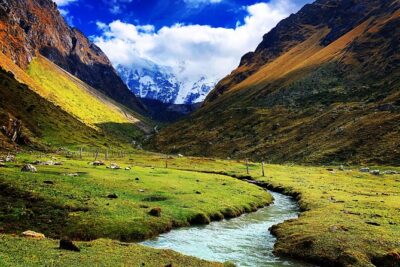
The first major test is the climb to Humantay Lake. Allow about two hours uphill. The altitude makes this short distance harder than the numbers suggest, so walk slowly and keep your water close. The lake is the day’s visual reward, surrounded by steep mountain terrain and often changing light.
You then walk downhill for about two hours to Quiswarniyoc, where lunch is served. After eating, you have free time to look around the area before spending the night at the private camp.
The day includes roughly four hours of hiking, but the uphill section can feel demanding at the start of a five-day trek. The local government of Mollepata charges an additional 20 soles for entry to Humantay Lake. That fee is not part of the tour price, so keep Peruvian cash ready.
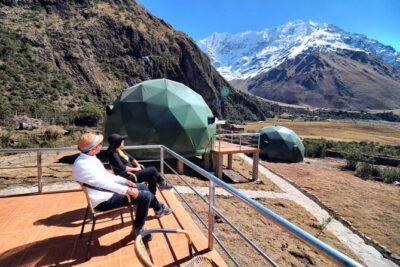
The first two nights are described as Mountain Sky cabins, with thick mattresses, glass doors, and night and panoramic lighting. This is a useful comfort upgrade compared with a basic tent, though you should still expect a camping-style experience rather than a conventional hotel.
Day two: crossing Salkantay Pass at 4,650 meters
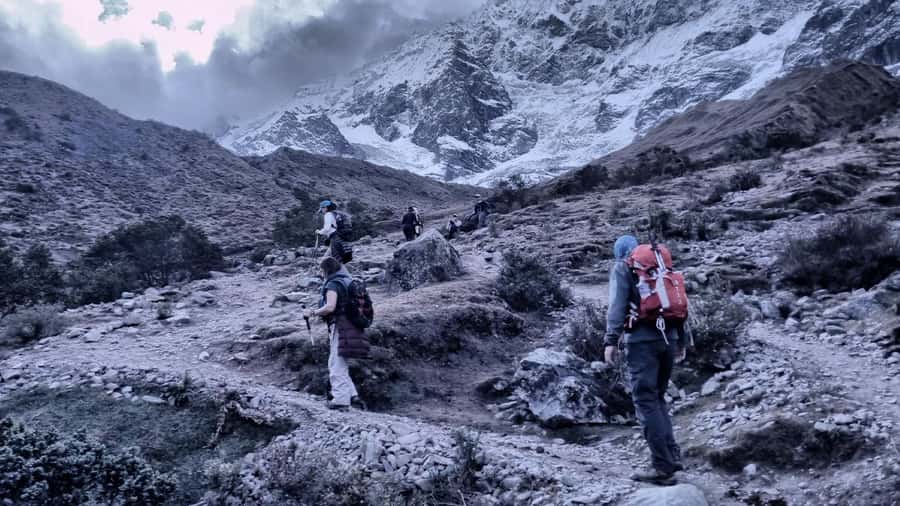
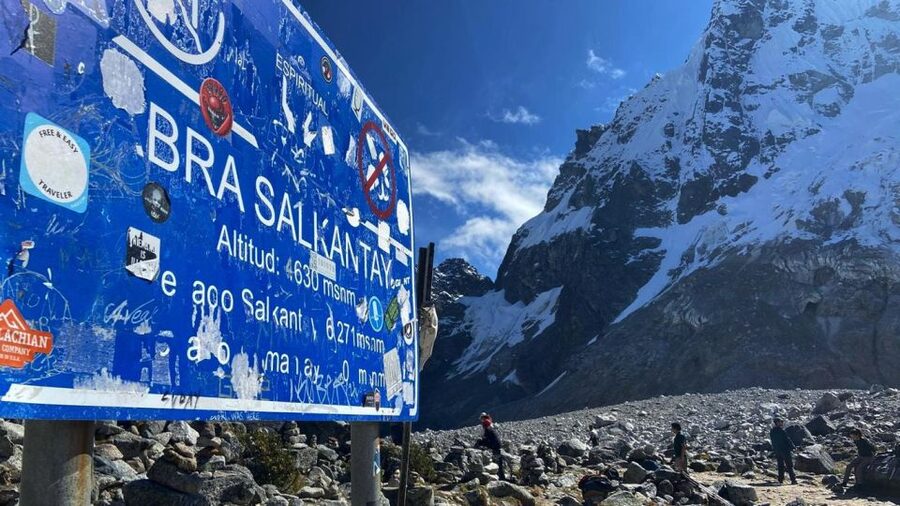
Day two is the route’s serious altitude day. After breakfast, you walk for about four hours to Salkantay Pass, which sits at 4,650 meters above sea level. This is the highest point of the trek and the section most likely to test your pace and breathing.
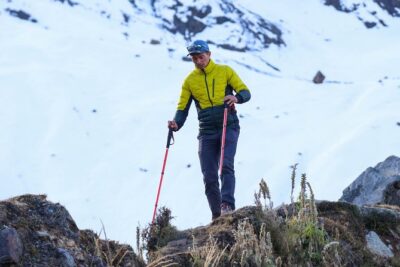
You should not treat this climb as a race. The guide can help manage the group, but your own preparation matters more than speed. Warm layers, gloves, a hat, sunscreen, and sunglasses are useful here because high-altitude conditions can change quickly.
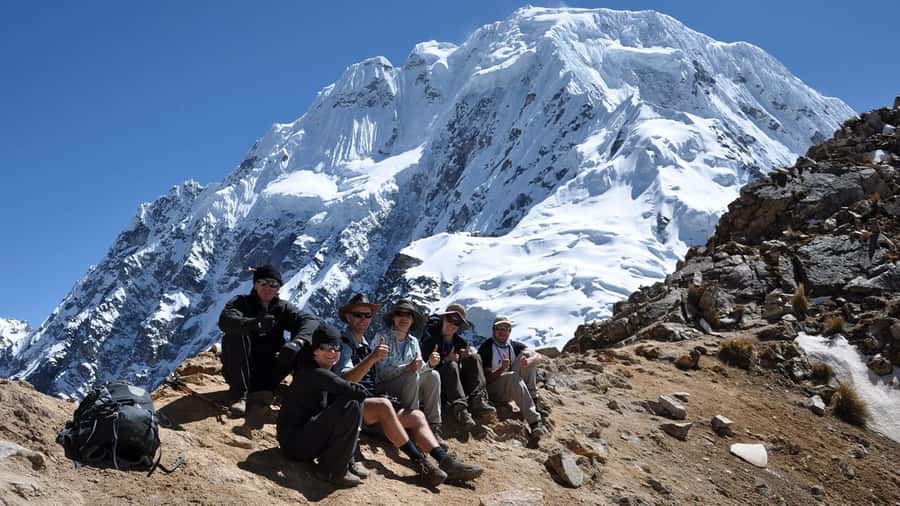
At the pass, the reward is the scale of the mountains and the sharp contrast with the warmer country ahead. The route then drops for roughly four hours to Chaullay, at about 2,900 meters. That long descent can be hard on knees and ankles, especially after the morning climb.
At Chaullay, the team provides camping equipment, hot tea, and dinner. The tour includes a professional chef and kitchen team, which matters after a day of eight hours on foot. You are not relying on snacks alone. Breakfast, lunch, and dinner are included throughout the trek, with vegetarian and vegan choices available at no extra charge when requested.
Food and camp comfort on the trail
Food is one of the strongest parts of this trip. A previous participant specifically praised the cooking and noted that the chef even prepared a cake. That detail says something useful about the service: meals are treated as part of the experience, not just fuel.
You receive four breakfasts, four lunches, and four dinners. Exact menus are not provided, so bring personal snacks if you have specific dietary needs beyond the stated vegetarian or vegan options.
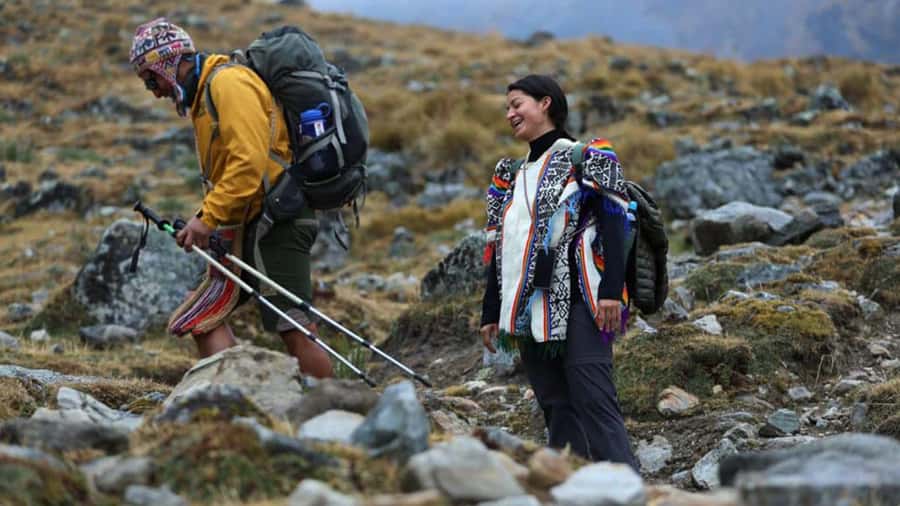
You can place up to seven kilograms of belongings in the provided duffel bag. Horses carry this bag during the first three days, which lets you hike with a smaller daypack. Pack only what you need in the duffel, and keep valuables, documents, medication, water, rain protection, and warm layers with you.
Sleeping bags are not included. You can rent one for $10, or bring your own. A personal double-foam pad, 2.5 inches thick, is included. The support should help, but this remains a mountain trek, not a polished lodge-to-lodge walk.
A few more Urubamba days worth weighing up
- Peru in 5 days: Lima, Cusco, Machupicchu & Rainbow Mountain
★ 5.0 · 3 reviews - Ausangate Trek 5 Days
★ 5.0 · 74 reviews - Classic Choquequirao Trek – 5 Days / 4 Nights
★ 5.0 · 52 reviews - Ultimate Lares Trek & Inca Trail 5 days
★ 5.0 · 47 reviews
Day three: Salkantay Valley, Santa Teresa, and hot springs
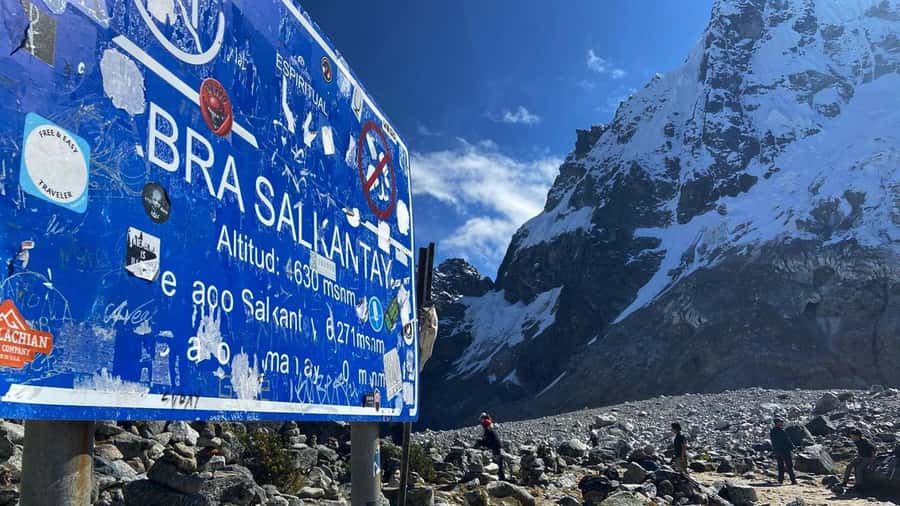
After breakfast, you spend about five hours walking through the Santa Teresa Valley beside the Salkantay River. This is where the route begins to feel warmer and more tropical. The climate shift is one of the trip’s best features, but it also means you should have insect repellent and lighter clothing available.
The walk ends at Playa Sahuayaco. From there, tourist transport takes you to the third camp at Santa Teresa. Lunch is served at camp before the optional visit to the Colcampayo hot springs.
The hot springs are about 15 minutes from camp by car. Entry and transport cost an additional $10. Bring swimwear if you plan to go, and do not assume the activity is included simply because it appears in the day’s plan. It is an optional extra.
This day is shorter and less punishing than the pass crossing, but five hours of walking still adds up. Santa Teresa provides a useful change of rhythm, giving you a warmer place to rest before the final approach to Machu Picchu.
Day four: Llactapata, Hidroelectrica, and the railway walk
Breakfast is scheduled for about 5:30 am. You then take transport for 45 minutes to Lucmabamba, where the walking begins.
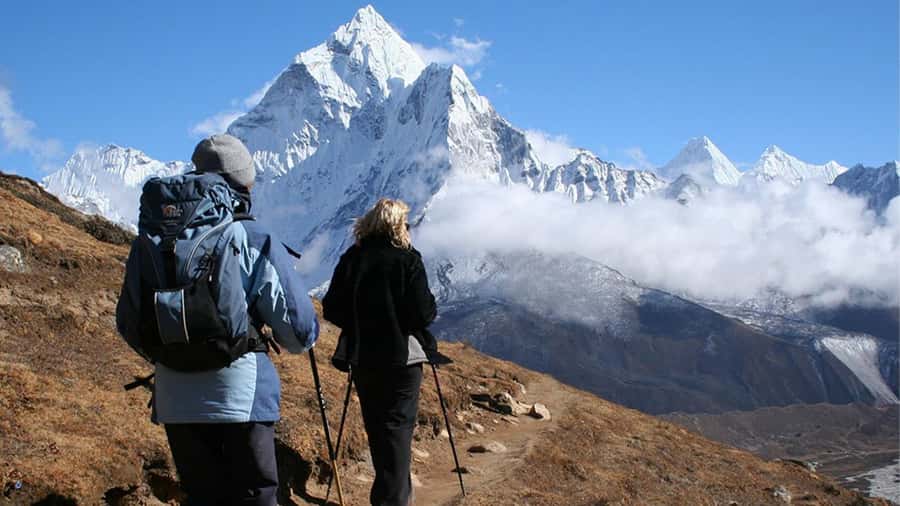
The climb to Llactapata takes about three hours uphill. At the Inca ruins, you can look toward Machu Picchu and Huayna Picchu Mountain. This viewpoint gives the day a strong sense of direction: you are not yet at the citadel, but you can already see the destination across the valley.
The route then drops for about two hours to Hidroelectrica, where lunch is served. After lunch comes a three-hour walk along the railway tracks to Aguas Calientes, also known as Machu Picchu town.
The railway walk is practical rather than grand. It gets you to town without another major mountain climb, but it is still a long final stretch after the morning ascent and descent. Wear shoes with good grip and stay alert around the rail route.
You spend the night in a hotel at Aguas Calientes, with dinner scheduled for 7:00 pm. This hotel night is valuable because the next morning begins around 4:00 am. A bed, shower, and indoor room make a real difference before the Machu Picchu visit.
Day five: entering Machu Picchu before the crowds build
The final morning starts early. You receive a packed breakfast and walk for about 30 minutes to the Puente Ruinas checkpoint. There, you must show your passport, Machu Picchu ticket, and student ID if you are using one.
After the checkpoint, you climb stairs for about an hour to reach the main entrance at around 6:00 am. This approach is included as part of the walking option. If you prefer the bus from Aguas Calientes to Machu Picchu, that costs an additional $24 for the round trip.
Once inside, the guided tour lasts about two and a half hours. The route covers the main square, urban sector, circular tower, solar clock, Inca cemetery, and other principal areas of the citadel. The Machu Picchu entrance ticket and guided tour are included in the $460 price.
The early start is tiring, but it gives the day structure and leaves time to see the site with your guide before returning to Aguas Calientes. Follow the entry instructions carefully. The ticket checkpoint process can feel confusing, and you should keep your passport and ticket together instead of packing them in your duffel.
After the visit, you return to Aguas Calientes and then to Cusco. The package includes either a train return or a combination of walking and car transport, depending on your choice. Confirm which option applies to you before departure, especially if you want the train.
How much value do you get for $460?
The price is strong for a five-day guided trek that includes Machu Picchu entry, a professional food team, transport to the trail, three nights of camping, one hotel night, and return transportation. Buying those pieces separately could create a much higher total, especially once meals, staff, entrance fees, and transport are added.
Still, $460 is not the final cash you should carry. Plan for these listed extras:
- 20 soles for Humantay Lake
- $10 for a rented sleeping bag, if needed
- $24 for the Aguas Calientes to Machu Picchu bus
- $10 for Santa Teresa hot springs entry and transport
- Extra costs connected with optional activities
- Travel insurance
The value is best for someone who wants the route organized and does not want to arrange separate camps, cooks, porters, guides, tickets, and transport. It is less attractive if you already own camping equipment, prefer private rooms every night, or want a slower walking schedule.
Who should choose this Salkantay Trek?
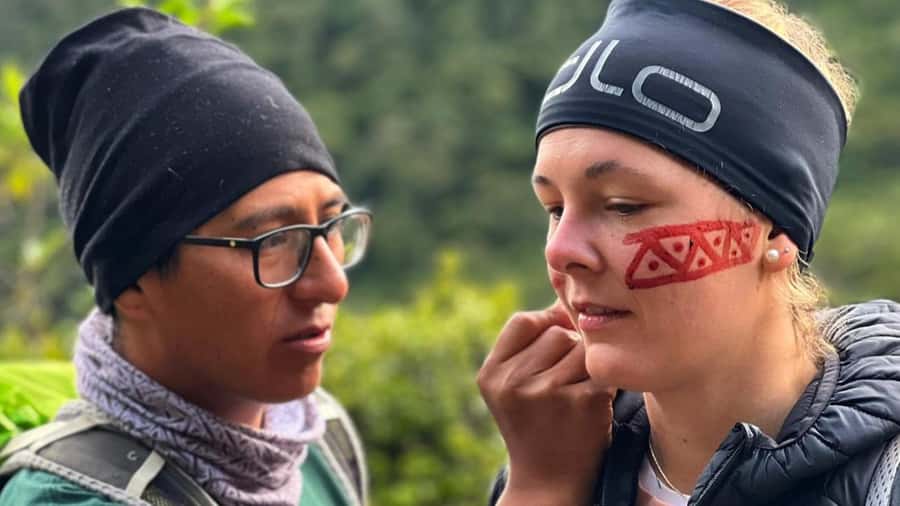
You should consider this trek if you want a physically active route with strong scenery and clear changes in climate. It suits people who enjoy long walking days, basic mountain accommodation, shared transport, and a fixed schedule.
You should think twice if you have limited hiking experience, mobility problems, or difficulty with altitude. The tour is not suitable for people with mobility impairments or pregnant women. The eight-hour day to Salkantay Pass is the key warning, but the other days also require steady effort.
Good hiking shoes are essential. So are long pants, hiking clothes, a jacket, sunscreen, sunglasses, insect repellent, and swimwear. The supplied packing list also recommends comfortable clothing, a camera, and a sleeping bag.
The group is limited to 18 people, which is small enough for a more manageable walk while still being a group experience. The guide speaks English and Spanish. An oxygen bottle and first aid kit are carried for emergencies, but those items should not be treated as a substitute for sensible pacing or travel insurance.
Booking advice and final verdict
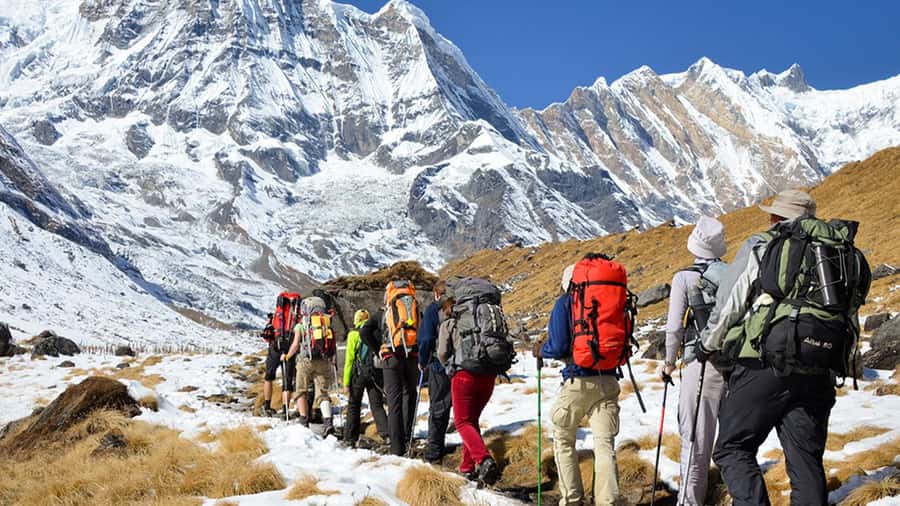
I would book this tour if your main goal is to combine a demanding mountain trek with a well-organized Machu Picchu visit. The food, included ticket, bilingual guide, horse-carried duffel, and hotel night make the package practical, and the changing scenery gives you far more than a direct trip to the ruins.
I would not book it if you want a gentle holiday or guaranteed comfort each night. The route includes steep climbs, high altitude, early starts, cold conditions, and a long railway walk. Pack carefully, request dietary needs in advance, confirm your return transport, and decide early if you need the Machu Picchu bus or sleeping bag.
With free cancellation up to 24 hours before departure and a reserve-now, pay-later option, the booking terms offer some flexibility. The bigger decision is physical: if you are fit, properly shod, and ready for long days, this is a good-value way to reach Machu Picchu by a varied and memorable route.
FAQ
How long is the Salkantay Trek from Cusco to Machu Picchu?
The experience lasts five days and four nights. It includes three nights of camping and one hotel night in Aguas Calientes.
What is the highest point of the trek?
The highest point is Salkantay Pass at 4,650 meters above sea level. The climb to the pass takes about four hours, followed by roughly four hours of descent.
Is Machu Picchu admission included?
Yes. The Machu Picchu entrance ticket and a guided tour of the citadel are included.
Are meals included?
Yes. The package includes four breakfasts, four lunches, and four dinners. Vegetarian and vegan meals are available at no extra charge when requested.
Do I need to bring a sleeping bag?
A sleeping bag is not included. You can bring your own or rent one for $10.
Is the bus from Aguas Calientes to Machu Picchu included?
No. The round-trip bus costs $24. The itinerary also includes the option to walk from Aguas Calientes to the Machu Picchu entrance.
What language does the guide speak?
The guide provides the tour in English and Spanish.
Can I cancel the booking?
You can cancel up to 24 hours before departure for a full refund. The activity also offers a reserve-now, pay-later option.
More Hiking & Trekking in Urubamba
- 4 days/3 nights: Inka Jungle Trek to Machu Picchu
★ 4.7 · 25 reviews - From Cusco: 7 Lakes Ausangate Trek with Breakfast and Lunch
★ 4.8 · 360 reviews - Cusco: Rainbow Mountain Tour and Red Valley Hike (Optional)
★ 4.7 · 149 reviews - Cusco: Full-Day Rainbow Mountain & Red Valley Trekking Tour
★ 4.5 · 121 reviews
Just added around Urubamba
- Sun and Moon Tour★ 4.5 · 3 reviews
- Sacred Valley Tour 1 Day★ 5.0 · 3 reviews
- Super Sacred Valley★ 3.8 · 6 reviews
- Peru in 5 days: Lima, Cusco, Machupicchu & Rainbow Mountain★ 5.0 · 3 reviews
- Machu Picchu: 1-day tour by Vistadome Panoramic train★ 4.7 · 15 reviews
- Machupicchu 2025: The best ticket Circuit 2★ 3.5 · 6 reviews
- Machu Picchu: historical and photographic guided tour★ 4.9 · 27 reviews
- Guided tour of Cusco and its 4 ruins★ 3.8 · 3 reviews
Salkantay Treks to Machu Picchu, compared.
Small Group 5 Days Salkantay and Machu Picchu by Llactapata Tour
Read our review →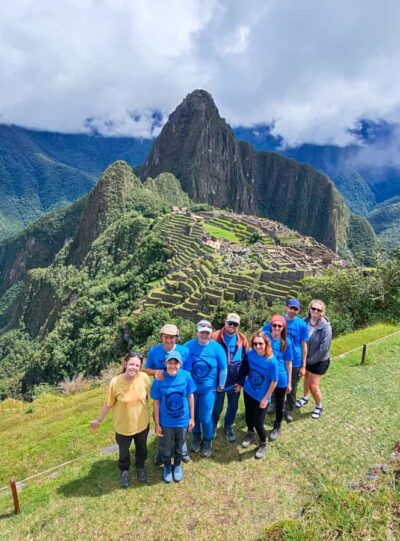
Salkantay Trek 4 Days to Machu Picchu by Glamping Sky Lodge Dome
Read our review →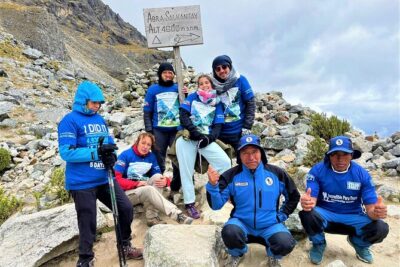
Salkantay Trek To Machu Picchu 5 Days And 4 Nights
Read our review →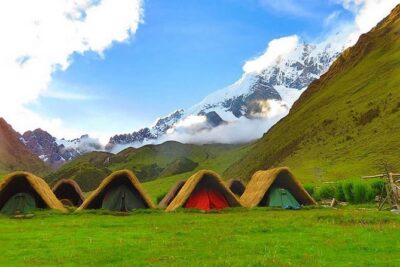
5-Day: Salkantay Trek to Machupicchu and Humantay Lake
Read our review →Browse the lists this tour appears in